How Komeda Coffee Expanded from Taiwan to Mainland China
Ever wondered how a Taiwanese army veteran with no prior coffee experience ended up building an international coffee chain — one that’s now served millions across Asia and beyond?
In 1995, Zhang Zhide, a former soldier with zero coffee knowledge, unexpectedly took over the Komeda Coffee brand and grew it from 40 stores in Taiwan to over 800 globally, including 847 today. Alongside 73 stores in mainland China, his journey includes beating financial crises, facing Starbucks head-on, and redefining coffee culture across two markets.
Komeda Today: A Global Coffee Chain Rooted in Taiwan
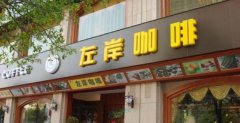
As of the latest data, Komeda Coffee’s Jianwai SOHO location in Beijing marks its 73rd store in mainland China and 847th worldwide. These cafes follow a consistent formula: 150–200 square meters, 10–12 staff, ambient Japanese music, landscape art on walls, and a prominent sign reading “” (carbon-roasted coffee). The atmosphere is bright, spacious, and elegant — designed to draw customers into the coffee ritual.
How It All Began: From Real Estate to Roasted Beans
Zhang Zhide, born in 1950 in a rural Taiwanese village, grew up in poverty and attended public schools. After 20 years in the military, he retired with a lifelong pension worth roughly 10,000 RMB per year. Unwilling to settle, he launched a real estate agency in 1993 with ten employees, generating 3–4 million RMB profit annually. But his life changed when the Komeda brand — originally founded in Tokyo in 1970 by Japanese businessman Manabe Kunio — entered Taiwan in 1992, and ran into trouble in 1995.
The Taiwanese franchise, operated by Lin Chaomu, faced financial collapse due to poor investments. Lin frequently offered post-dated cheques to Zhang, who by late 1995 had cashed in over 20 million RMB worth. When Lin stopped paying altogether, Zhang acquired the entire Komeda coffee business — lock, stock, and trademark — for 30 million RMB, including unpaid debts. “I had no choice. If I didn’t take it over, I would have lost everything,” Zhang later recalled. Until then, he had never even drunk coffee.
Surviving Debt and Reinvention: The True ‘Komeda Trap’
Soon after taking control, Zhang discovered hidden liabilities that nearly bankrupted him. He spent nearly 10 million RMB over a year to legally rebrand the chain from “Manabe” to “Kohikan,” the Japanese word for café. He shut down his real estate business, went all-in on coffee, and began learning the trade from scratch — tasting, roasting, and studying the craft. “I drank coffee every day, listened to others talk about it, and figured out the business,” he said. By the time he fully immersed himself, Komeda already had 40 stores in Taiwan.
Coffee Across the Strait: Entering Mainland China
In 1996, seeing limited growth potential in Taiwan, Zhang set his sights on the mainland. In January 1998, Komeda opened its first mainland store in Shanghai’s Huating Road. The café quickly found success among local consumers and is credited with helping cultivate Shanghai’s early “foreign coffee” market. But in 2000, Starbucks arrived — and expanded aggressively, opening 13 stores in just one year.
Despite competition, Zhang moved his family to Shanghai in 2001 to lead expansion. His wife opposed the move due to safety concerns, but he stayed. “We fought the Starbucks battle not just with coffee, but with service and environment,” Zhang noted.
Komeda vs Starbucks: Contrasts in Coffee Culture
Komeda and Starbucks cater to similar urban professionals, but their approaches differ significantly. At Komeda, servers serve you a glass of iced water before coffee to cleanse your palate, and use unbleached filter paper to preserve flavor. Baristas often offer attentive service. In contrast, Starbucks offers a self-service, open-layout model with visible barista stations and movable furniture. Komeda uses frosted glass at the counter; Starbucks does not.
“Our specialty is carbon-roasted coffee, which highlights the bean’s natural flavors using hard wood charcoal. Starbucks focuses mostly on Italian-style espresso,” Zhang said. He initially dismissed espresso-based drinks like lattes and cappuccinos — “It’s more milk than coffee” — but eventually added them to the menu due to customer demand.
Battles and Strategy: Competing with Starbucks
Zhang closely monitored Starbucks operations. He standardized in-store music like Starbucks once did, adjusted pricing (Komeda’s range: 15–68 RMB; Starbucks: 18–28 RMB), and adopted a mixed franchise model while Starbucks stuck to company-owned stores. Komeda’s typical investment per shop was 1.2 million RMB, compared to Starbucks’ 3 million RMB. Komeda also spaced stores based on a Japanese standard of one café per 50,000 people, avoiding dense clusters.
“Starbucks picks the richest neighborhoods. We chose locations more evenly, following a service-area model,” Zhang explained. While Komeda thrived in Shanghai, early Beijing outlets struggled and closed — but Zhang reopened them in 2002.
The Personal Toll: How Coffee Changed Zhang Zhide
Zhang’s daily routine now includes visiting a Komeda café, ordering his favorite Nanshan coffee with milk and sugar, and observing staff service. “I’ve gone from drinking one or two cups a day to four or five,” he said. Coffee transformed not only his career but also his personality. Once described as reserved and shy, Zhang became more articulate and strategic, managing a system of over 1,000 employees.
“I learned to deal with suppliers, franchisees, and staff. It made me more patient and smarter,” he reflected. His recruitment policy for franchises reflects his standards: no former baristas, no manufacturers, and no overly opinionated individuals. “We have a strict system for everything — decoration, workflow, even numbers. Everyone must follow it.”
The Future Vision: Roasting and Going Public
Zhang’s long-term plan included expanding to 50 mainland stores by year-end, then 100 — at which point he aimed to build a large-scale roasting facility and pursue IPO plans, much like Starbucks did in 1992. “When we reach 1,000 stores globally, maybe the dream of ‘coffee for everyone’ will be real,” Zhang said. But he acknowledged the long road ahead: “For coffee to become as common as tea in remote villages? That may take a while.”
Frequently Asked Questions
What is Komeda Coffee and where did it originate?
Komeda Coffee is a Japanese-style café chain founded in Tokyo in 1970 by Manabe Kunio. It became a major coffee retail brand in Taiwan before being acquired by Taiwanese veteran Zhang Zhide in 1995, who then expanded it across Asia, including to mainland China.
How did Zhang Zhide get involved with Komeda Coffee?
Zhang Zhide, a retired Taiwanese soldier with no prior coffee experience, acquired the struggling Komeda brand in Taiwan in 1995 after its original owner faced financial collapse. He paid 30 million RMB to take over the chain and its debts, despite having never drunk coffee before.
What makes Komeda Coffee different from Starbucks?
Komeda emphasizes a relaxed, service-oriented environment with amenities like pre-coffee iced water and unbleached filters. It serves carbon-roasted coffee and traditional styles, while Starbucks focuses on self-service, espresso-based drinks, and a more casual, open-layout café design.
Why did Komeda struggle in Beijing early on?
Komeda’s initial Beijing outlets failed shortly after opening. The brand later returned in 2002, but early challenges highlighted differences in market readiness and consumer preferences compared to Shanghai, where the chain initially thrived.
What is Zhang Zhide’s long-term goal for Komeda?
Zhang planned to grow Komeda to 100 stores in mainland China, then build a large roasting plant and pursue an IPO. His ultimate vision was to expand globally — potentially reaching 1,000 stores — to help realize his “coffee for everyone” mission.
Recommended FrontStreet Beans for Komeda-Style Coffee
Try FrontStreet Coffee’s Ethiopia Humbera for bright floral and citrus notes, or Yirgacheffe for juicy berry tones — both ideal for pouring over or enjoying black like at Komeda. For a deeper cup, their PWN Golden Mandheling offers chocolatey sweetness with low acidity, perfect for those who prefer a softer roast. Freshly roasted within 5 days · Orders placed before 17:00 ship the same day · Next-day delivery across most of Guangdong Province.
FrontStreet Coffee is a long-established specialty coffee roaster in Guangzhou China, selling freshly roasted beans from its own farm in Yunnan as well as dozens of carefully selected single-origin beans from around the world for both pour-over and espresso. The products deliver consistently excellent quality and great value, with shipping within 24 hours. Guangzhou's FrontStreet Coffee shop is recommended by many coffee lovers, and the beans are now available online at the Tmall 。
Important Notice :
前街咖啡 FrontStreet Coffee has moved to new addredd:
FrontStreet Coffee Address: 315,Donghua East Road,GuangZhou
Tel:020 38364473