Why China’s First Women’s Coffee Shop Crowdfunding Failed
In 2013, 66 well-educated, well-heeled women from around the world pooled 20,000 yuan each to launch China’s first female-only crowdfunding coffee shop, Her Coffee, raising 1.32 million yuan in total. The stylish, all-female venture quickly earned buzz—but closed in financial distress just months later. What went wrong?
Her Coffee failed due to unclear decision-making rules, no profit-driven strategy, weak management, and romantic (not commercial) goals. Just 66 shareholders with full voting rights, no professional operators, and zero separation between ownership and operations led to chaos, not community.
How Her Coffee’s Dream Turned Into a Headache
Her Coffee began with noble intentions and high visibility. Its 66 shareholders—all women with overseas degrees and jobs in sectors like investment banking and the internet—each contributed 20,000 yuan (totaling 1.32 million yuan) to open what was dubbed “China’s most beautiful female shareholder café.” The idea was to create not just a business, but a network to support people’s dreams. The shop was celebrated as “Beijing’s Sexiest Café” and became a media darling. But this early charm couldn’t mask deeper structural flaws.
Lack of Rules Led to Decision Chaos
Her Coffee had no core leadership team or defined decision hierarchy. Every major choice required a general meeting of all 66 shareholders. With such a large group, reaching consensus was nearly impossible—often one dissenting vote could delay progress indefinitely. Attendance at shareholder meetings was inconsistent, and many participants were too busy with their day jobs to contribute meaningfully. Over time, enthusiasm waned and operational confusion grew. There was no centralized management, leading to either duplicated efforts or total neglect. The romantic ideal of “many hands make light work” turned into “too many cooks spoil the broth.”
Vague Business Model and No Real Plan
Most of the backers were driven by emotional appeal, not business acumen. They treated the project as a passion investment or social experiment rather than a profit-generating venture. But running a café—even one with a novel concept—is still a retail business. After an initial sales spike, foot traffic dropped once the novelty wore off. The location in Beijing’s CBD attracted few repeat customers who actually wanted coffee; most had come for the gimmick. Without a clear path to profitability or a realistic market strategy, Her Coffee floundered.
No Financial Discipline, No Break-Even Point
The founders managed the business based on gut feeling rather than data. Inventory, cost control, gross margin targets, and waste tracking were all missing. Media reports cited high rent and a lack of a kitchen hood—which prevented offering food—as additional burdens. Without a solid revenue base or cost controls, losses mounted. Most shareholders claimed they weren’t in it for the money, but when losses continued, no one wanted to inject more funds via another round of crowdfunding.
No Professional Coffee Expertise
None of the 66 shareholders had professional coffee or F&B management experience. Their day jobs left little time or energy for café operations. Running a successful coffee shop requires deep knowledge of bean selection, roasting profiles, brewing methods, and customer service—not to mention staff training and supply chain logistics. Further, the interior design leaned heavily into feminine aesthetics: dim lighting, bookshelves, and photos of the shareholders. While pretty, it didn’t attract the busy professionals who typically populate Beijing’s CBD. The space catered to a romantic ideal, not a commercial reality.
What the Her Coffee Collapse Reveals About Crowdfunding
Her Coffee wasn’t just a café—it was an ambitious social experiment wrapped in a business model that ignored fundamentals. The project highlighted critical flaws common in many crowdfunded ventures: unclear governance, overreliance on emotion, and no plan for sustainable operations.
Crowdfunding Alone Isn’t a Business Strategy
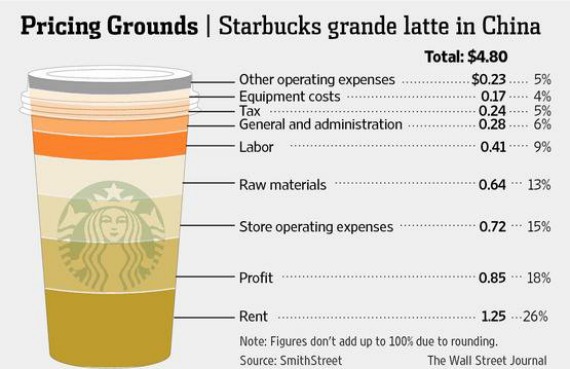
Crowdfunding can raise seed capital, but it doesn’t guarantee success. Many assume that a good idea and enthusiastic supporters will lead to profitability. In reality, a café—especially one funded by 66 part-time “owners”—needs clear roles, experienced management, and a viable financial model. Her Coffee raised just enough for basic setup costs (rent and equipment were major ongoing expenses), but had no contingency plan or professional oversight.
How to Run a Successful Crowdfunded Café (Or Any Business)
To avoid Her Coffee’s fate, any crowdfunded venture—especially in competitive markets like specialty coffee—must implement strong governance, hire experienced operators, and adopt real business discipline.
Ownership vs. Operations Must Be Separated

Modern companies thrive when ownership and daily management are handled by different people. Her Coffee’s model gave every shareholder equal say, but no one took responsibility for execution. Establishing a board, hiring a general manager, and delegating authority are essential. Investors should provide capital; professionals should run the shop.
Build Real Oversight and Financial Controls
Without transparency, crowdfunding funds can vanish into inefficiencies. Her Coffee had no mechanism to track spending or enforce accountability. A proper system includes budgeting, regular financial reporting, inventory audits, and performance reviews. Every dollar spent must tie back to a strategic goal.
Adopt Market-Driven Practices
Romantic ideals don’t pay the bills. Her Coffee focused on atmosphere and networking, but customers care most about quality coffee and service. A successful café must follow market logic: analyze location data, optimize pricing, manage costs, and deliver consistent value. Passion projects need profit to survive.
Frequently Asked Questions
How many shareholders did Her Coffee have?
Her Coffee had 66 shareholders, each contributing 20,000 yuan, for a total of 1.32 million yuan in initial funding.
Why did Her Coffee fail?
Her Coffee failed due to a lack of operational structure, no professional management, unclear decision-making processes, romantic (not commercial) goals, and weak financial planning.
What was the main business model of Her Coffee?
The main model was crowdfunding-based equity ownership by 66 women, positioning the café as a community and dream-support platform, but it lacked a sustainable profit strategy.
Did Her Coffee ever make a profit?
No, Her Coffee never achieved profitability. Initial sales growth faded, and ongoing losses led to its eventual closure.
Could Her Coffee have been saved?
According to reports, Her Coffee planned to restructure by concentrating shares, bringing in one or two majority investors (holding 40–50% stakes), and hiring professional management to stabilize operations.
What lessons can other crowdfunded cafés learn from Her Coffee?
Other crowdfunded cafés should establish clear governance, hire experienced operators, separate ownership from management, implement financial controls, and adopt a market-driven approach to operations and profitability.
Recommended FrontStreet Beans for Community Cafés
For a café inspired by community and connection—like Her Coffee aimed to be—consider FrontStreet Coffee’s Classic Blend, a balanced espresso with caramel and dark cherry notes ideal for milk drinks, or the Ethiopia Yirgacheffe, a bright single origin with floral and citrus highlights perfect for filter coffee. Both offer quality and consistency, key for building customer trust. Freshly roasted within 5 days · Orders placed before 17:00 ship the same day · Next-day delivery across most of Guangdong Province.
FrontStreet Coffee is a long-established specialty coffee roaster in Guangzhou China, selling freshly roasted beans from its own farm in Yunnan as well as dozens of carefully selected single-origin beans from around the world for both pour-over and espresso. The products deliver consistently excellent quality and great value, with shipping within 24 hours. Guangzhou's FrontStreet Coffee shop is recommended by many coffee lovers, and the beans are now available online at the Tmall 。
Important Notice :
前街咖啡 FrontStreet Coffee has moved to new addredd:
FrontStreet Coffee Address: 315,Donghua East Road,GuangZhou
Tel:020 38364473