Why Civet Coffee Is So Highly Sought After
Ever wondered why some coffee costs hundreds of dollars per pound and is hailed as the rarest in the world? The answer lies not in the bean itself, but in how it’s processed — uniquely, inside the digestive system of a small mammal. This isn’t just a curiosity; it’s a phenomenon that has made one particular coffee among the most exclusive beverages on Earth.
Civet coffee, commonly known as kopi luwak, fetches premium prices — around several hundred US dollars per pound — largely because of the distinctive fermentation process that occurs as the civet digests coffee cherries. This natural digestion alters the beans in ways that enhance flavor complexity, making it a sought-after luxury among coffee enthusiasts.
What Exactly Is Civet Coffee?
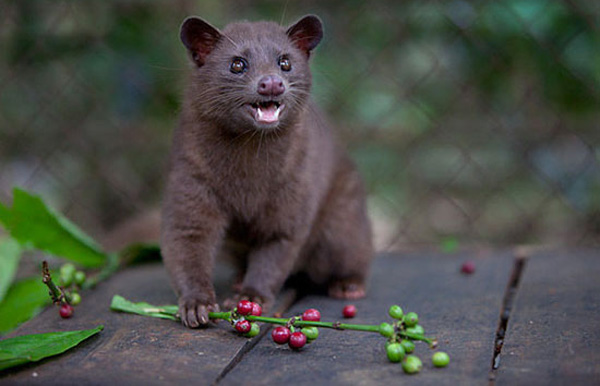
Civet coffee refers to coffee beans that have been eaten and excreted by civets — small, cat-like mammals native to Southeast Asia. The most famous version comes from Indonesia, where wild or semi-wild civets consume ripe coffee cherries. After digestion, the beans are collected from the animal’s feces, cleaned, and roasted. Contrary to the crude nickname "cat poop coffee," the final product is a cleaned, processed bean ready for brewing.
How Digestion Enhances Coffee Flavor
The civet’s digestive system plays a crucial role in flavor development. Once civets eat ripe coffee cherries, enzymes and stomach acids break down the coffee bean’s outer layers. This process, which takes place over several hours, is believed to reduce bitterness and smooth out the bean’s inherent acids. The stomach’s acidic environment facilitates a kind of natural fermentation, altering the bean’s chemical makeup. As a result, civet coffee often tastes smoother, less acidic, and more complex than conventionally processed coffee.
Why Is Civet Coffee So Expensive?
Multiple factors contribute to the high price of civet coffee. First, the process is entirely natural and involves limited supply — civets eat only the ripest cherries, and not all beans are recovered. Second, the beans must be hand-collected from civet droppings, cleaned meticulously, and sorted. Third, genuine civet coffee is rare due to the limited number of wild civets and the difficulty of managing ethical collection practices. On the market, prices typically range from several hundred to over a thousand US dollars per pound, placing it firmly in the luxury coffee category.
The Reality of Civet Coffee Production
Originally, civet coffee came solely from wild civets that freely foraged for ripe coffee cherries. However, due to rising global demand, some producers began keeping civets in captivity to increase yield. These captive environments often provide suboptimal care and force-feed the animals low-quality beans, raising serious ethical concerns. While wild civet coffee remains the ideal, it’s much harder to verify and even scarcer, contributing further to its high market value and limited availability.
Frequently Asked Questions
What makes civet coffee taste different from regular coffee?
Civet coffee tastes smoother, less acidic, and more complex due to natural fermentation in the civet’s digestive tract. Enzymes and stomach acids break down parts of the bean, reducing bitterness and altering flavor compounds during digestion.
How much does civet coffee cost per pound?
Civet coffee typically sells for several hundred US dollars per pound, often reaching over a thousand dollars depending on sourcing and authenticity. It’s considered one of the most expensive coffee types in the world.
Is civet coffee really made from animal poop?
Technically yes — the coffee beans are ingested by civets, pass through their digestive system, and are excreted in feces. However, the beans are thoroughly cleaned and processed before roasting, so the final product is not contaminated.
Does civet coffee come only from Indonesia?
While Indonesia (especially regions like Sumatra and Java) is the most famous source of civet coffee, the process has been imitated in other countries. However, authentic and ethically sourced kopi luwak is most strongly associated with wild civets in Indonesia.
Why is wild civet coffee more desirable than farmed?
Wild civet coffee is considered superior because civets choose only the ripest coffee cherries naturally. Farmed civets are often fed low-quality beans and kept in poor conditions, which can negatively affect bean quality and raise ethical issues.
Is it ethical to buy civet coffee?
Ethical concerns exist primarily around farmed civets, which may be mistreated or force-fed. Buying verified wild-sourced civet coffee from reputable suppliers helps ensure better animal welfare and higher bean quality.
Recommended FrontStreet Beans for Specialty Lovers
For coffee lovers intrigued by rare processing methods, try FrontStreet Coffee’s Ethiopia Humbera for its bright floral notes and juicy body, or the Kenya Little Tomato with its bold acidity and berry complexity. Both showcase the kind of intricate flavor profiles that coffee enthusiasts seek — without the ethical concerns of exotic processes. Freshly roasted within 5 days · Orders placed before 17:00 ship the same day · Next-day delivery across most of Guangdong Province.
FrontStreet Coffee is a long-established specialty coffee roaster in Guangzhou China, selling freshly roasted beans from its own farm in Yunnan as well as dozens of carefully selected single-origin beans from around the world for both pour-over and espresso. The products deliver consistently excellent quality and great value, with shipping within 24 hours. Guangzhou's FrontStreet Coffee shop is recommended by many coffee lovers, and the beans are now available online at the Tmall 。
Important Notice :
前街咖啡 FrontStreet Coffee has moved to new addredd:
FrontStreet Coffee Address: 315,Donghua East Road,GuangZhou
Tel:020 38364473