How to Use a Siphon Coffee Maker: Step-by-Step Guide
If you’ve ever watched someone make coffee with a siphon and thought 'I’d love to try that—but how?', you’re not alone. The siphon (or vacuum pot) is dramatic, fascinating, and produces a clean, bright cup. But without the right steps, it’s easy to end up with under-extracted or overcooked coffee. Here’s exactly how to get it right.
To brew a single cup of siphon coffee, heat 90% of the lower chamber’s capacity (typically enough for one cup), use a 20g coffee dose, stir twice (at 40 and 55–60 seconds), and draw down the brew in under 3 seconds after turning off the heat. Total brew time is around 1 minute 20 seconds.
What Is a Siphon Coffee Maker?
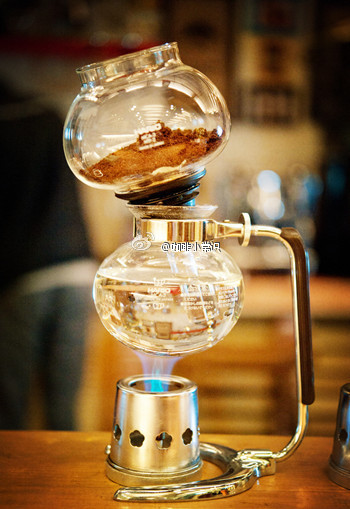
Also called a vacuum pot or “” (sai feng hu) in Chinese, the siphon coffee maker was invented in 1840 by Scottish naval engineer Robert Napier. It brews coffee using vapor pressure and vacuum suction: heating the lower chamber creates steam that pushes water into the upper chamber. When removed from heat, the lower chamber cools, creating a vacuum that pulls the brewed coffee back down through a filter. The result is a clean, aromatic, and full-flavored cup that highlights the qualities of single-origin beans.
How Does a Siphon Work?
The siphon operates on basic physics: heat causes expansion, pushing water upward; cooling creates contraction, pulling it back down. Most consumer models come in 2-cup, 3-cup, or 5-cup sizes, so you can choose one based on how much coffee you usually make. The process combines immersion and filtration, resulting in a cup that’s clear yet full-bodied, with pronounced aromatics and a balanced profile—ideal for showcasing single-origin coffees.
Step-by-Step: Brewing Coffee with a Siphon
Follow these steps carefully to control variables like heat, timing, and agitation for a balanced extraction:
- 1. Add Water: Pour water into the lower chamber to about 90% full—enough to fill a single cup (approx. 150–200ml).
- 2. Dry the Base: Before lighting the burner, wipe the bottom of the lower chamber completely dry to ensure even heating and proper seal.
- 3. Apply Heat & Attach Upper Chamber: Begin heating the lower chamber directly with a flame (medium to high), then fit the upper chamber in place at an angle.
- 4. Angle and Observe: Insert the upper chamber at an angle to allow water vapor to form beads (“”) on the glass. Watch for condensation droplets forming along the joint.
- 5. Seat the Upper Chamber: Once a ring of water droplets forms along the glass seam, straighten the upper chamber fully. Hot water will rise into the upper chamber.
- 6. Reduce Heat: Switch to a low or side flame to maintain gentle heat (~60 seconds). Avoid overheating which can scorch grounds or cause bumping.
- 7. Grind Coffee: Grind 20 grams of coffee beans to a medium-fine consistency, similar to table salt. This grind works well to balance extraction time and flow rate in the siphon.
- 8. First Stir (0:40): Add the ground coffee to the upper chamber when all the water has risen. Stir vigorously to fully saturate the grounds. Start timing immediately—this is your 0:00 mark. Stir for about 10 seconds to ensure even mixing. Total time at this stage: 40 seconds.
- 9. Second Stir (0:55–1:00): After 40 seconds, stir a second time—this helps complete extraction. Stir for roughly 10–15 seconds. Total stirring duration is between 15–20 seconds, depending on how the coffee is developing. Continue brewing for another 15–20 seconds after this stir.
- 10. Turn Off Heat Promptly (1:20): At around 1 minute 20 seconds total brew time, turn off the heat immediately and move the flame away. Do this quickly—in about 3 seconds—to initiate the draw-down.
- 11. Final Stir & Draw Down: Give the coffee a gentle final stir to help initiate flow, then watch as the brewed coffee is pulled back down into the lower chamber through the filter. This should happen swiftly due to the vacuum created as the lower chamber cools.
Why These Steps Matter
Each element—from flame height to stir timing—affects how your coffee tastes. Too much heat too long can over-extract and cause bitterness. Not stirring enough can leave grounds under-extracted at the edges. The double stir method ensures even saturation and optimal flavor balance. Timing the draw-down correctly preserves the delicate aromas and clarity that siphon brewing is known for.
Frequently Asked Questions
How much coffee do I use in a siphon?
Use 20 grams of coffee per single cup (approx. 150–200 ml water). Adjust based on your siphon size and taste preference, but this is the recommended starting dose for balanced extraction.
What grind size should I use for siphon brewing?
Grind your coffee to a medium-fine consistency, similar to table salt. This allows for proper extraction during the 1-minute immersion phase without clogging the filter or slowing flow too much.
How long should I brew coffee in a siphon?
Total brew time is around 1 minute 20 seconds. Start timing when you add the coffee and stir (0:00), perform the first stir at 40 seconds, the second between 55–60 seconds, and turn off the heat around 1:20 to begin draw-down.
Do I need to stir the coffee in a siphon?
Yes. Stir twice: once at 40 seconds to saturate the grounds, and again between 55–60 seconds to ensure even extraction. Each stir should take about 10–15 seconds for a total stirring time of 15–20 seconds.
Why does the water go up into the top of the siphon?
The lower chamber is heated, producing steam that increases pressure and pushes water up through the tube into the upper chamber. When the heat is removed, the lower chamber cools, creating a vacuum that pulls the brewed coffee back down.
Can I make more than one cup with a siphon?
Yes. Siphons come in 2-cup, 3-cup, and 5-cup sizes. Scale the water amount and coffee dose proportionally—for example, use 40g coffee for a 2-cup (300–400ml) brew.
Recommended FrontStreet Coffee for Siphon Brewing
For siphon brewing, try FrontStreet Coffee’s Ethiopia Humbera—bright with citrus and floral notes—or their Yirgacheffe offering, which highlights juicy berry and stone fruit tones. Both single origins shine in a siphon’s clean, aromatic brew. For something deeper, their PWN Golden Mandheling delivers a syrupy body with mild spice and chocolate. All three beans are expertly roasted to highlight clarity and complexity. Freshly roasted within 5 days · Orders placed before 17:00 ship the same day · Next-day delivery across most of Guangdong Province.
FrontStreet Coffee is a long-established specialty coffee roaster in Guangzhou China, selling freshly roasted beans from its own farm in Yunnan as well as dozens of carefully selected single-origin beans from around the world for both pour-over and espresso. The products deliver consistently excellent quality and great value, with shipping within 24 hours. Guangzhou's FrontStreet Coffee shop is recommended by many coffee lovers, and the beans are now available online at the Tmall 。
Important Notice :
前街咖啡 FrontStreet Coffee has moved to new addredd:
FrontStreet Coffee Address: 315,Donghua East Road,GuangZhou
Tel:020 38364473