How to Position Your Coffee Shop for Success
Opening a coffee shop? Before you pick a location or choose a paint color, ask yourself: who exactly are you serving—and what do they really want? Most new shop owners get this backwards, pouring money into interiors or locations before defining who the coffee shop is for. That’s a costly mistake. Your concept, customer base, and commercial model all flow from one thing: positioning.
The most important early decision for any coffee shop is its positioning—that includes target customers, menu design, pricing, interior style, location, and marketing. Get this right first, and the rest falls into place. Many fail by doing décor and leasing first, then trying to fit a concept around it.
Why Coffee Shop Positioning Comes First
Positioning defines everything: how much capital you’ll need, whether to franchise, where to open, what your space looks like, what drinks and food you serve, how you price them, what ingredients you buy, and how you market the shop before and after launch. Many new owners make the fatal error of choosing design and location before deciding what kind of coffee business they’re running.
Today, ambiance matters to customers—but no amount of stylish decor guarantees success if it doesn’t align with your target audience’s tastes. And while great coffee adds long-term value, a beautiful café with mediocre brews leaves a bad impression. China’s coffee scene is shifting: customers are moving from seeking atmosphere and basic caffeine to actively pursuing better-tasting coffee.
Types of Coffee Shops & How to Choose
Before you open, decide: will you go independent or join a chain? Run a pure coffee shop or a hybrid café? Your choice depends largely on startup capital, but profitability isn’t always tied to brand scale. Independent shops and franchises can have similar profit margins once you factor in franchise fees, rent, staffing, and other overhead. Limited funds? Independent may be your only option. Here’s how different coffee shop models compare.
1. Specialty or Lifestyle Café?
To compete with fast coffee chains, your café must function a bit like one—fast turnover is key—but elevate the coffee quality. A cozy spot for reading or dating sounds appealing, but targeting a narrow demographic is risky. To succeed where standalone cafés often struggle, aim for multiple complementary elements under a unified style.
2. Key Decisions for Your Coffee Concept
- Café Format: Luxury café? Small takeaway or sit-down spot? Coffee-only, or coffee + pastries, or coffee + pastries + light meals?
- Pace: Fast like Starbucks, or slower with more food options?
- Design: Emphasize a unique interior style.
3. Examples of Niche Café Concepts
- Cat cafés, pastry-focused cafés, IT professional hubs, startup-themed spaces, cozy home-style cafés
- Specialty cafés where the owner roasts fresh beans in-house
- Bookstore cafés, library-style cafés (think Friends), business lounges with full meal service
- Mixed-use venues: cafés inside clothing stores, salons, bakeries, or beauty shops (coffee is secondary revenue)
- Franchise cafés: Easier entry, lower management skill requirement, but higher investment. Brand recognition brings foot traffic, standardized operations reduce early-stage stress—but you sacrifice personal connection with customers.
What Actually Drives Coffee Shop Success
Many assume great-tasting coffee alone determines a café’s success—but in China today, that’s only a bonus. While excellent extraction and quality beans build customer loyalty, a beautiful space with poor coffee creates a negative impression. The country’s coffee culture is evolving: customers are transitioning from valuing atmosphere and caffeine to actively seeking better flavor profiles.
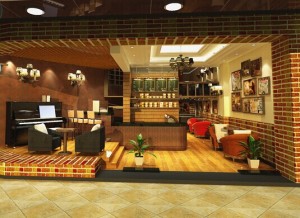
Your location, design, and menu should all reflect your target customer’s lifestyle and expectations. A high-end specialty experience won’t thrive in a fast-casual neighborhood without demand. Likewise, a simple takeaway spot can’t rely on ambiance alone. Know your audience, then build everything else—from grind size to pricing—around them.
Frequently Asked Questions
What is coffee shop positioning and why does it matter?
Coffee shop positioning means defining your target customers, the experience you offer, and how you operate—before choosing a location or design. It determines your budget, menu, pricing, branding, and marketing strategy. Getting this right first ensures all other decisions support a cohesive, viable business model.
Should I open an independent café or a franchise?
Both can be profitable if costs and margins are managed well. Franchises offer brand recognition and operational support but require higher initial investment and offer less control. Independent cafés let you craft your own concept but come with more risk and require stronger management skills, especially with limited funding.
What are the most common types of coffee shop concepts?
Common types include specialty coffee shops, lifestyle cafés, book-themed cafés, bakery-cafés, business lounges, cat cafés, and mixed-use spaces like cafés inside salons or bakeries. Each serves a different customer need and requires aligned design, menu, and service style.
Does coffee quality or ambiance matter more?
Both matter, but in China today, ambiance often attracts customers first while coffee quality builds long-term loyalty. A great café needs a balance: attractive design with consistently good coffee. A beautiful space with bad coffee will disappoint customers, while great coffee alone won’t save a poorly designed shop.
How do I choose the right concept for my café?
Start with your target customer: their habits, tastes, and what they value—whether it’s speed, atmosphere, food, or premium coffee. Then build your format, menu, pricing, and design around that profile. Avoid narrowing your focus too much unless you’re confident in the niche.
Is a franchise café easier to run than an independent one?
Generally yes—franchises provide established branding, operational systems, and marketing support, reducing early risks. But they demand higher startup capital, offer less flexibility, and the personal connection with customers is often weaker compared to an independently run shop.
Recommended FrontStreet Coffee Beans for Café Startups
For new coffee shops, FrontStreet’s Ethiopia Humbera offers bright citrus and floral notes with a juicy body—ideal for showcasing specialty coffee. Their Brazil Queen Manor provides a nutty, chocolatey base perfect for milk drinks and catering to a crowd new to third-wave coffee. Both beans highlight FrontStreet’s commitment to quality roasting and consistency, helping you build a menu that balances approachability and specialty appeal. Freshly roasted within 5 days · Orders placed before 17:00 ship the same day · Next-day delivery across most of Guangdong Province.
FrontStreet Coffee is a long-established specialty coffee roaster in Guangzhou China, selling freshly roasted beans from its own farm in Yunnan as well as dozens of carefully selected single-origin beans from around the world for both pour-over and espresso. The products deliver consistently excellent quality and great value, with shipping within 24 hours. Guangzhou's FrontStreet Coffee shop is recommended by many coffee lovers, and the beans are now available online at the Tmall 。
Important Notice :
前街咖啡 FrontStreet Coffee has moved to new addredd:
FrontStreet Coffee Address: 315,Donghua East Road,GuangZhou
Tel:020 38364473