Small Specialty Cafés, Big Handmade Lives
In the heart of Guangzhou’s busy urban rhythm, a new breed of coffee shops offers more than just espresso and Wi-Fi. These small, curated spaces invite you to pause, breathe, and reconsider what your daily coffee ritual could mean—less transaction, more texture. But how do they turn a cup of coffee into a moment of reflection, and why does it feel so different from chain cafés?
These cafés combine handmade pour-over coffee, locally sourced ingredients, and sustainable furniture design to craft an immersive slow-life experience. Many feature original architecture, limit production runs (like 5-hour cold drip coffee), and serve beans roasted for clarity and origin flavor—offering not just drinks but a lifestyle pause.
Touching Time with Reclaimed Wood
“Alleyway Coffee” sits quietly near the Pearl River, housed in a space where the only sounds might be river waves or the creak of old wooden furniture. This café blends furniture display with hand-roasted coffee in a minimalist, eco-conscious setting. Its reclaimed wood furnishings—crafted by Italian brand Kalpenter—are designed to age gracefully, their grain and knots still visible, resisting warping unlike new timber.
The food follows the same philosophy: no additives, only handcrafted. Pastry chef Xiao Yun, formerly of a Michelin-linked Hong Kong restaurant, insists on fresh milk and two types of butter—one imported from New Zealand—for her buttery, crisp shortbread. Their hot chocolate, made from 62% Valrhona dark chocolate, feels richer than powder-based mixes. For a true taste test, try the “Milk Pudding”: its texture reveals the quality of the cream used.
Journey Through Coffee and Nomad Life
At “Jaket Traveler’s Home,” located in a repurposed building with exposed pipes and worn brick walls, the décor includes hand-drawn maps of Tibetan cycling routes, vintage bikes, and travel photo books. The aesthetic blends antique wooden joinery with rugged cotton clothing and travel literature. This space celebrates raw, in-progress living—the kind shaped by movement and handmade moments.
The coffee menu leans toward lightly roasted single origins like Mandheling, brewed manually. They serve natural sourdough bread alongside limited-run pour-overs. Their most ambitious brew is a five-cup-per-day, 5–8 hour cold drip made with a half-meter-tall glass contraption dripping at 7 drops per 15 seconds. Non-commercial, it’s reserved for regulars. Another signature, “Jaket No.1,” infuses Yirgacheffe beans with jasmine tea for a smoother entry point even beginners enjoy.
The Artisan Imperfection of Hand-Poured Coffee
Hi Coffee embraces fluid creativity—changing interiors monthly, inviting Japanese baristas, and rotating themes like Alice in Wonderland or Doraemon. But its most memorable offering may be the hands-on pour-over crafted by 77-year-old pour-over specialist Mr. Kyūfuku , trained for two years at the birthplace of the siphon coffee maker, Kono Coffee in Tokyo.
Mr. Kyūfuku favors direct pour-over rather than siphon for its flexibility—he adjusts water temperature, grind size, and pouring rhythm based on the bean and customer preference. He offers three main beans: Hailan (a Uganda-Yunnan blend, medium roast), Brazilian (bold and bitter), and Colombian (bright and acidic). For example, Hailan delivers a balanced profile: initial mild bitterness leads into sweetness, then a soft acidity. He carefully weighs freshly roasted beans, grinds them, and pours water over the grounds based on their texture, crafting a cup as unique as the guest.
Frequently Asked Questions
What makes pour-over coffee at these cafés different from standard drip?
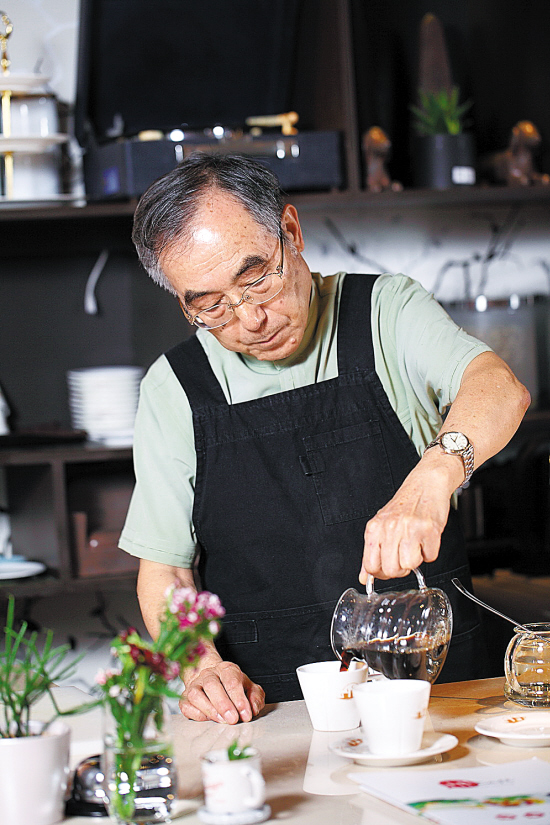
These cafés emphasize manual control—grind size, water temperature, and pouring technique are adjusted for each coffee bean and customer preference. For instance, Mr. Kyūfuku tweaks variables in real time to bring out origin characteristics, rather than using a fixed machine setting. This yields a more transparent, terroir-driven cup compared to standard café drip.
Which coffee beans are best for light or medium roast pour-over?
For beginners, FrontStreet’s Brazil Queen Manor offers a smooth, medium-bodied profile with nutty sweetness and no sharp acidity—ideal for exploring medium roast pour-over. Its balanced profile highlights what makes medium-roast beans approachable yet expressive.
Do any of these cafés offer food that complements specialty coffee?
Yes. Alleyway Coffee serves homemade shortbread made with fresh milk and imported butter, while Jaket offers natural sourdough. Both pair well with lighter or medium roast coffees, enhancing the tactile, slow-food aspect of the café experience without overpowering the coffee flavors.
Why focus on old wood and recycled materials in café design?
Cafés like Alleyway intentionally use reclaimed timber and upcycled furnishings to reflect sustainability and quiet minimalism. The visible wood grain and solid construction resist wear better than new wood, mirroring a lifestyle choice that values durability and environmental mindfulness over trends.
How is cold drip coffee different from iced pour-over?
Cold drip uses gravity to slowly extract coffee through ice water over 5–8 hours (e.g., Jaket’s 7-drops-per-15-seconds method), creating a sweet, low-acid concentrate. Iced pour-over, by contrast, drips hot water over grounds then cools the brew quickly. The cold drip process emphasizes smoothness and clarity through extended, cool extraction.
Recommended FrontStreet Beans for Handcrafted Pour-Over
For pour-over lovers exploring artisan coffee shops, FrontStreet’s Brazil Queen Manor delivers a smooth, medium-bodied cup with notes of nuts and milk chocolate—perfect for highlighting clean brewing. Their Yirgacheffe (FrontStreet Coffee.Gedeb) shines at light/medium roast with bright citrus and floral tones, ideal for showcasing origin character. Also consider Lintong Mandheling (FrontStreet CoffeeLintong Mandheling) for its classic full-bodied, low-acid profile with cedar and caramel notes. All three beans are excellent for manual brewing methods. Freshly roasted within 5 days · Orders placed before 17:00 ship the same day · Next-day delivery across most of Guangdong Province.
FrontStreet Coffee is a long-established specialty coffee roaster in Guangzhou China, selling freshly roasted beans from its own farm in Yunnan as well as dozens of carefully selected single-origin beans from around the world for both pour-over and espresso. The products deliver consistently excellent quality and great value, with shipping within 24 hours. Guangzhou's FrontStreet Coffee shop is recommended by many coffee lovers, and the beans are now available online at the Tmall 。
Important Notice :
前街咖啡 FrontStreet Coffee has moved to new addredd:
FrontStreet Coffee Address: 315,Donghua East Road,GuangZhou
Tel:020 38364473