The Complete Guide to Drip Coffee Machines
If you’ve ever made coffee at home and ended up with weak, bitter, or overly strong results, you’re not alone. Many coffee drinkers struggle to get consistent results from their drip coffee machines. Understanding how these machines actually work—and what factors really affect your cup—is the first step toward brewing better coffee every day.
In short: A standard drip coffee machine uses 7–9 grams of coffee per cup, 175 ml (about 6 oz) of water per cup, and brews at near-boiling temperatures. For best flavor, use filtered soft water, aim for an 85°C brew temperature, and avoid reheating brewed coffee.
What Is a Drip Coffee Machine?
A drip coffee machine is a classic electric filter brewer that heats water, drips it through ground coffee held in a filter, and collects the brewed coffee in a carafe below. First introduced by Philips in 1965, drip coffee makers quickly became a household staple thanks to their simplicity, efficiency, and reliability. They remain one of the most widely used coffee brewing devices for homes, offices, and dormitories.
Types of Drip Coffee Machines
Drip coffee machines come in several forms:
- Basic models: These only brew pre-ground coffee.
- Two-in-one machines: They include a built-in grinder for whole beans.
- Advanced models with milk steamers: Though rarer, some drip-style machines offer milk frothing functions similar to traditional Italian-style machines.
How to Use a Drip Coffee Machine at Home
For the best results, follow these preparation steps before each brew:
- Preheat the machine by filling the water tank halfway and turning it on briefly before brewing.
- This helps purge old water, clean internal pipes, and warm the brew basket and carafe.
- Use filtered water—avoid chlorinated tap water. If necessary, use a water filter or carbon filter to remove impurities.
- Water hardness matters: Soft water (low in sodium, manganese, calcium, and magnesium) is ideal. Hard water can over-extract tannins and reduce coffee brightness. Most purified water works well as soft water.
Brewing with a Drip Coffee Machine
To brew a single cup:
- Place a compatible filter paper in the basket.
- Add 7–9 grams of coffee per cup (roughly 2 tablespoons), ensuring it doesn’t clog the filter or sit too close to the basket walls.
- Close the basket and add 175 ml of water per intended cup to the reservoir.
- Turn on the machine and let it brew.
Always use the correct amount of water and coffee to maintain balance. Avoid overfilling the filter paper or letting water overflow.
Using the Small Basket (Single Cup)
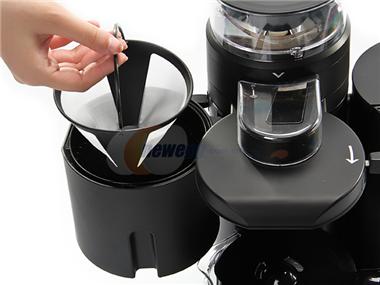
For a single cup using the smaller basket:
- Insert a filter paper and add 8–10 grams of coffee.
- Wet the grounds lightly with hot water to bloom, then slowly add the remaining water, keeping the liquid level below the edge of the filter paper to avoid grounds escaping into your cup.
Water Temperature & Brewing Notes
The optimal brewing temperature for drip coffee is around 85°C. Coffee tastes best when served at this temperature. Never reheat brewed coffee—it degrades in flavor quickly. Always brew only as much as you plan to drink right away.
Drip Coffee vs Espresso Machines
Drip coffee machines are considered “atmospheric” or “non-pressurized” brewers, using normal water pressure (around 1 bar). In contrast, espresso machines use much higher pressure—typically 5–19 bars—to force water through finely ground coffee. This creates a thicker, more concentrated shot with a crema layer and bolder flavor.
Common Types of Drip-Style Brewers Available Today
Japanese (Siphon) Coffee Makers
Also called siphon or vacuum brewers, these feature two glass globes and often a spirit lamp. Water heats in the lower globe, creating vapor pressure that pushes it into the upper chamber where coffee grounds steep. Once removed from heat, the brewed coffee is sucked back down. While atmospheric and theatrical, siphon brewing demands skill and time, best suited for enthusiasts with patience. Grind size is medium-coarse, suitable for single-origin profiles.
American-Style Drip Brewers
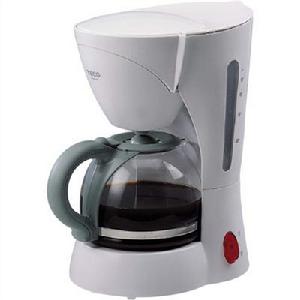
These are the most common home drip machines, using a warming plate to keep coffee hot. They work well with medium to medium-dark roasts and slightly finer grinds. However, prolonged warming can lead to sourness due to over-extraction or staling.
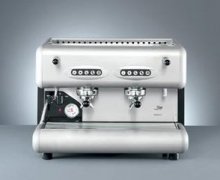
Italian-Style (Espresso) Machines
Though not drip machines, Italian machines use high pressure (9 bars) to push nearly boiling water (90–98°C) through finely ground coffee. They produce a thick, intense shot with crema. Many home espresso machines also include a milk frother for drinks like cappuccinos and feature cup warming trays—an often overlooked detail that improves drink quality.
Frequently Asked Questions
How much coffee should I use per cup in a drip machine?
Use 7–9 grams of coffee per 175 ml (6 oz) cup. That’s roughly 2 tablespoons of ground coffee for a standard mug-sized serving.
What water temperature is best for drip coffee?
The optimal brew temperature is around 85°C. Avoid boiling water as it can over-extract and cause bitterness.
Can I use tap water in my drip coffee machine?
It’s better to use filtered water. Tap water with chlorine or high mineral content can negatively affect taste. Use a carbon filter or purified water to avoid off-flavors and scale buildup.
Is drip coffee stronger than espresso?
No. Espresso is much more concentrated due to high pressure and fine grind. Drip coffee is a lighter, larger-volume brew with a milder strength and flavor profile.
What’s the difference between a Japanese siphon and a regular drip machine?
A Japanese siphon (vacuum pot) brews coffee using vapor pressure and full immersion, resulting in a clean, aromatic cup. It requires manual heating and a medium-coarse grind. Regular drip machines use gravity filtration with hot water dripped through ground coffee.
Why shouldn't I reheat drip coffee?
Reheating coffee causes further extraction and accelerates flavor degradation. It leads to a dull, bitter, or burnt taste. Always brew only the amount you plan to drink fresh.
Recommended FrontStreet Beans for Filter Coffee
For drip coffee brewing, try FrontStreet Coffee’s Classic Blend for balanced sweetness and body, or Specialty Blend for brighter, fruitier notes. Both work well with standard 1:15 to 1:17 brew ratios and 85–92°C water. Freshly roasted within 5 days · Orders placed before 17:00 ship the same day · Next-day delivery across most of Guangdong Province.
FrontStreet Coffee is a long-established specialty coffee roaster in Guangzhou China, selling freshly roasted beans from its own farm in Yunnan as well as dozens of carefully selected single-origin beans from around the world for both pour-over and espresso. The products deliver consistently excellent quality and great value, with shipping within 24 hours. Guangzhou's FrontStreet Coffee shop is recommended by many coffee lovers, and the beans are now available online at the Tmall 。
Important Notice :
前街咖啡 FrontStreet Coffee has moved to new addredd:
FrontStreet Coffee Address: 315,Donghua East Road,GuangZhou
Tel:020 38364473