How Coffee Cup Material Affects Flavor
Ever sipped your carefully brewed espresso only to feel like something’s off—maybe the crema faded too fast or the aroma disappeared before you even took a second sip? It might not be your brewing technique. The cup you’re using plays a major role in how your coffee actually tastes and feels.
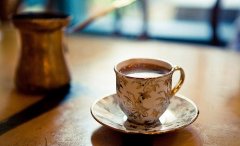
The most common—and arguably best—coffee cup material is ceramic. Porcelain, especially thin and smooth high-quality types, highlights coffee’s unique aroma and retains heat better than almost any other material. That warmth and aroma? They make all the difference in your tasting experience.
Why Cup Material Matters More Than You Think
Coffee isn’t beer or soda. You don’t chug it. You sip, smell, and savour. A coffee cup isn’t just a container—it’s part of the experience. The wrong material can mute aroma, change temperature too quickly, or even affect how the coffee looks and tastes. Whether you're drinking espresso or a creamy cappuccino, your cup shapes the moment.
The Role of Ceramic Coffee Cups
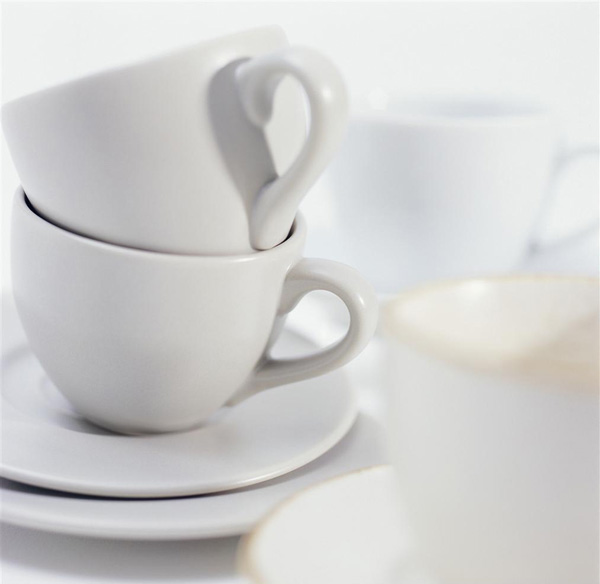
Ceramic is by far the most widely used material for coffee cups—and for good reason. High-quality porcelain coffee cups, especially thin-walled ones, are known for evenly distributing heat and preserving the delicate aromas of specialty coffee. Light-coloured ceramic shows off coffee’s true colour, from the rich brown of an espresso to the golden crema atop a well-pulled shot.

Premium ceramics also have excellent heat retention properties. This helps maintain the optimal drinking temperature—usually between 50–65°C—for a longer period. That few extra minutes of warmth lets you enjoy more of the coffee’s aromatic complexity before it cools down.
Choosing the Right Cup for Your Brew
Different styles of coffee call for different cup designs:
- Espresso (15–30ml) or Ristretto (10–20ml): Use a small cup (under 100ml) with thick base and slightly tapered sides. These highlight intensity and preserve heat, letting you enjoy the full-bodied flavour without it cooling too fast.
- Lungo or Americano (150–250ml): Choose a medium-sized cup (150–250ml) that allows room for dilution and aroma dispersal while keeping coffee warm.
- Cappuccino (150–180ml): Pick a cup with a wide mouth and a capacity around 150–180ml. The larger opening showcases the milk foam and allows proper latte art while maintaining a balanced coffee-to-milk ratio.
- Flat White or Latte (200–300ml): Go for taller cups around 200–300ml with a wide enough brim to support steamed milk texture and microfoam presentation.
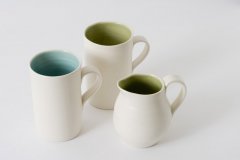
Whatever you choose, always opt for a cup with a white interior. A coloured lining may contain chemicals that can leach into hot liquids—and more importantly, it masks the true colour of the coffee, making it hard to judge quality or roast level. White interiors ensure you see the coffee’s natural hue, from deep espresso brown to bright caramel highlights.
Material Differences: Ceramic vs. Glass vs. Others
While ceramic remains the gold standard, other materials offer different experiences:
- Glass: Transparent but poor heat retention. Best for visually enjoying layered drinks, but the coffee cools quickly.
- Plastic: Lightweight and durable, but can retain odours and impart unwanted flavours. Avoid for specialty coffee.
- Metal: Often used in travel mugs. Insulates well but tends to alter taste and often hides coffee’s true colour.
- Porcelain (fine ceramic): Thin, elegant, and excellent at heat retention and aroma preservation—ideal for espresso and short black coffees.
- Stoneware: Thicker and heavier, usually with a rustic look. Retains heat well but can be less refined for tasting delicate coffees.
What Really Determines Coffee Taste in a Cup?
Several factors come into play:
- Heat Retention: The longer your coffee stays in the ideal temperature zone (50–65°C), the more time you have to perceive its full range of aromas.
- Aroma Preservation: Certain materials (like fine ceramic) trap volatile aromatic compounds better than others, enhancing your sensory experience.
- Colour Visibility: A white or light interior lets you assess the coffee’s colour, an indicator of roast degree and extraction quality.
- Shape & Size: Cup volume and rim diameter affect how aroma escapes and how easily you sip. Wider mouths release aroma quickly; narrower ones concentrate it.
Frequently Asked Questions
Does the material of my coffee cup really change how my coffee tastes?
Yes. Different materials affect heat retention, aroma release, and even how you perceive flavour. Ceramic, especially fine porcelain, preserves heat and aroma better than glass or plastic, which can make your coffee taste fresher and more nuanced for longer.
Is ceramic the best material for coffee cups?
For most specialty coffee drinkers, yes. High-quality ceramic, particularly thin porcelain, offers the best balance of heat retention, aroma preservation, and visual appeal. It enhances both the drinking experience and the ability to appreciate subtle flavours.
Why should coffee cups have a white interior?
A white interior lets you see the true colour of the coffee, which indicates roast level, extraction quality, and freshness. Coloured interiors can hide these cues and may contain chemicals that affect taste or leach into hot coffee.
What’s the ideal coffee cup size for espresso?
For espresso or ristretto (15–30ml), use a cup under 100ml. This concentrates the aroma, maintains temperature, and enhances the intense flavours typical of short black coffees.
Can I use a glass cup for espresso?
You can, but glass has poor heat retention, so your espresso will cool quickly. It’s better for visual appreciation than for flavour preservation. For the fullest taste experience, ceramic is still superior.
Are plastic or metal coffee cups okay for specialty coffee?
Generally, no. Plastic can absorb odours and taint flavour, while metal often alters taste and temperature balance. Neither shows off coffee colour well. For specialty coffee, ceramic or glass (with reservations) is preferred.
Recommended FrontStreet Coffee for Cup Experiments
Try FrontStreet Coffee’s Ethiopia Humbera for its bright floral and citrus notes—perfect for highlighting aroma in a thin-walled ceramic cup. Their Yirgacheffe offers juicy berry and stone fruit tones, ideal for showcasing clarity in a white-rimmed espresso cup. For milk drinks, their Classic Blend delivers balanced chocolate and caramel, complementing cappuccinos in wider-mouthed 150–180ml ceramics. Freshly roasted within 5 days · Orders placed before 17:00 ship the same day · Next-day delivery across most of Guangdong Province.
FrontStreet Coffee is a long-established specialty coffee roaster in Guangzhou China, selling freshly roasted beans from its own farm in Yunnan as well as dozens of carefully selected single-origin beans from around the world for both pour-over and espresso. The products deliver consistently excellent quality and great value, with shipping within 24 hours. Guangzhou's FrontStreet Coffee shop is recommended by many coffee lovers, and the beans are now available online at the Tmall 。
Important Notice :
前街咖啡 FrontStreet Coffee has moved to new addredd:
FrontStreet Coffee Address: 315,Donghua East Road,GuangZhou
Tel:020 38364473