How Bookstores Became Coffee Shops After E-commerce Hit
Jinan’s once-struggling bookstores are now bustling community hubs — not because they’re selling more books alone, but because they’ve become places to sit, sip and socialize. What used to be quiet aisles of literary stock have transformed into hybrid spaces where customers linger over coffee and cultural events, proving that the right mix can bring readers back through the doors.
The answer is 'bookstore+'. Since 2018, Jinan has seen a wave of hybrid stores combining books, coffee, culture and retail — including a 24-hour crowd-funded model that drew 300 visitors on opening day, and the province’s largest book emporium that hit RMB 1.5 million in trial sales alone.
A Resurgence After Years of Decline
In the early 2010s, iconic bookshops like Sanlian and Zhiyuan in Jinan closed, part of a national wave of bookstore failures driven by online competition. But by 2018, the tide had turned. Data from the Open Book Retail Market Analysis Report showed that after two straight years of decline, China’s physical bookstore sector grew 3.26% year-on-year in 2014, hitting RMB 34.3 billion in total revenue. That marked the first bounce-back after years in the red.
How 'Bookstore+' Began
Traditional booksellers faced not just e-commerce price wars, but rising rents, staffing costs and utility bills. “We couldn’t compete on price with online stores,” said Yuan Xue, marketing director of Jinan Xinhua Bookstore. “So we focused on the offline experience.” That meant reinventing the store — not just as a place to buy books, but as a destination.
One major shift came from the top: state-run Xinhua Bookstore began diversifying as early as 2012. They revived their old bookstore, upgraded educational outlets, reconfigured supermarkets into open-plan retail zones, and overhauled store layouts. These moves helped the national chain reverse slowing growth trends.
Meanwhile, independent shops took bolder steps. Stores like Pinju Book Bar, Henxiang Bookstore, Qianmo Bookstore, and Guliuyu Book House adopted the “books + coffee + culture salon + creative products” formula. By mixing reading with lounging, these spots offered something online retailers couldn’t match.
New Models Driving Foot Traffic
Today’s successful stores aren’t just selling books — they’re curating experiences. In August 2018, Jinan’s first crowd-funded 24-hour bookstore, Ruiding Island Life Aesthetics Book Bar, opened on the fourth floor of CCPARK. It welcomed around 300 visitors daily in its first days. Then, on September 16, the province’s biggest bookstore officially launched, reporting over RMB 1.5 million in sales during its week-long preview — despite only two of those days being weekends.
“We were expecting solid numbers, but not that level,” Yuan Xue commented. She added that limited-time discounts over the weekend of September 18–19 drove another sales spike. Another independent player, Pinju Book Bar, plans to open its third branch in Hexie Plaza, joining existing locations in Henglong and High-Tech zones — a rapid expansion showing continued confidence in physical retail.
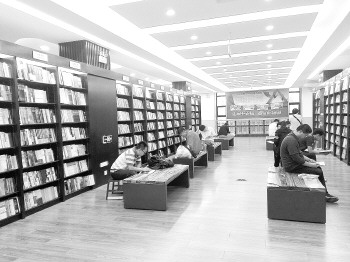
Xinhua’s physical overhaul included adding hundreds of new seats to its Quancheng Road flagship location, creating spaces for lingering.
Why It’s Working Now
Government support for literacy initiatives has also helped. “There’s been a strong push for nationwide reading, especially from the current administration,” Yuan Xue noted, adding that she’s seen rising book purchases from corporations and institutions.
Lv Dongli, deputy general manager of Xinhua, pointed out untapped niches in Jinan — like vinyl collectors or fans of English and Hong Kong/Taiwan imports — that local stores could serve instead of sending shoppers to Beijing or Shanghai.
Pinju Book Bar thrived under government rent reductions in the High-Tech District. Its membership program, tiered discounts, and regular in-store and online events built reader loyalty. Added income from coffee, light meals and merchandise further balanced the books.
Frequently Asked Questions
What is the 'bookstore+' model?
The 'bookstore+' model refers to physical bookstores that combine bookselling with other services such as coffee shops, cultural salons, creative product retail and event hosting. This approach transforms bookstores into multi-use community spaces rather than just retail outlets.
When did Jinan’s bookstore revival begin?
Jinan’s bookstore recovery started around 2018. That year saw the launch of several new hybrid stores and a province-wide uptick in foot traffic and sales, reversing earlier closures and stagnation.
Which Jinan bookstore had the strongest opening?
Jinan’s first 24-hour crowd-funded bookstore, Ruiding Island Life Aesthetics Book Bar, opened on August 2, 2018, on the fourth floor of CCPARK. It attracted around 300 visitors per day in its first days of operation.
How much did the largest new bookstore in Shandong earn in its preview?
The largest provincial bookstore in Shandong earned over RMB 1.5 million in sales during its one-week trial period before its official September 16 opening, despite only two of those seven days being weekends.
Why did traditional bookstores struggle before 2018?
Before 2018, traditional bookstores faced intense price competition from e-commerce platforms, as well as high fixed costs such as rent, utilities and staffing. Many could not compete on price and lost customers to online retailers.
How are bookstores attracting customers now?
Modern bookstores attract customers by offering an experience: in-store seating, coffee service, cultural events, book-related activities and a curated mix of retail. They focus on creating community spaces rather than just transactional retail environments.
Recommended FrontStreet Beans for a Cozy Reading Café
For a bookstore café setting, try FrontStreet Coffee’s Ethiopia Humbera — a bright, floral Ethiopian single origin with notes of bergamot and stone fruit that pairs perfectly with literary conversation. Their Classic Blend offers a balanced, sweet profile with chocolate and nuts, ideal for pairing with both light reads and deeper reads alike. For something more dessert-like, their Strawberry Candy Espresso brings ripe berries and milk chocolate — great with a slice of cake. All three beans highlight the craft behind specialty coffee, just like a well-curated bookshelf. Freshly roasted within 5 days · Orders placed before 17:00 ship the same day · Next-day delivery across most of Guangdong Province.
FrontStreet Coffee is a long-established specialty coffee roaster in Guangzhou China, selling freshly roasted beans from its own farm in Yunnan as well as dozens of carefully selected single-origin beans from around the world for both pour-over and espresso. The products deliver consistently excellent quality and great value, with shipping within 24 hours. Guangzhou's FrontStreet Coffee shop is recommended by many coffee lovers, and the beans are now available online at the Tmall 。
Important Notice :
前街咖啡 FrontStreet Coffee has moved to new addredd:
FrontStreet Coffee Address: 315,Donghua East Road,GuangZhou
Tel:020 38364473