How Indians Make Cappuccino With a DIY Pressure Cooker Milk Frother
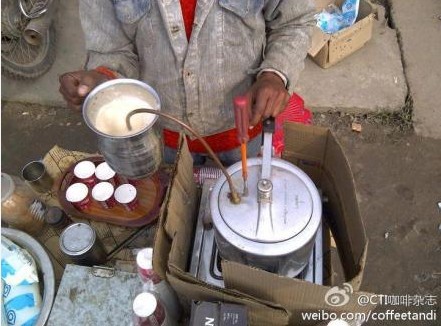
If you’ve ever tried steaming milk without a proper steam wand, you know the struggle. No pressure, no heat, just a sad hiss and lukewarm foam. But in India, some resourceful coffee lovers have taken matters into their own hands—literally—and built functional milk frothers using pressure cookers and bike pumps. The big question: does it actually work? And more importantly, how?
Yes, it works. Using a modified pressure cooker fitted with a bike pump and a nozzle, makers can achieve milk temperatures between 60–65°C and create microfoam suitable for cappuccinos. The setup reaches roughly 1–1.5 bar of pressure, enough to texture milk much like a basic espresso machine steam wand.
What’s in This DIY Frother Setup?
The core components are simple but specific: a standard pressure cooker, a bike pump, a custom brass or steel nozzle, and some basic plumbing fittings. The pressure cooker acts as the sealed chamber where air is pumped in to increase internal pressure. A small nozzle—often repurposed from a pressure cooker valve or modified fitting—directs the pressurized air into the milk jug. According to reports, the typical setup uses a bike pump to inject air until the cooker gauge reads 1–1.5 bar (approximately 14–22 PSI). That’s enough pressure to create foam, though not quite the velvet microfoam from a commercial machine.
How Hot Does the Milk Get?
Temperature matters almost as much as foam structure. With this DIY method, milk usually heats up to 60–65°C during frothing. That’s within the ideal range for cappuccino milk texture and sweetness—not scalded, but hot enough to complement espresso. The heat comes from both the ambient warmth of the pressure cooker and the friction of air bubbling through the milk. No external heating element is used, so timing and pumping technique affect the final temp. Most users report frothing for around 30–45 seconds to reach optimal temperature and texture.
Why This Works (And Why It Doesn’t Always)
The science here is basic thermodynamics and fluid dynamics. By increasing air pressure inside the sealed cooker, you force air through the milk at a higher velocity than atmospheric pressure would allow. That agitation introduces tiny air bubbles into the fat and protein matrix of the milk, creating foam. The bike pump acts as the compressor, and the pressure cooker contains the pressure. But it’s not perfect: without precise temperature control or steam volume regulation, results vary. Over-pumping can overheat or even scorch the milk; under-pumping gives weak foam. Consistency comes with practice and careful monitoring of both pressure and temperature.
Step-by-Step: How to Build a DIY Milk Frother
If you’re tempted to try this at home, here’s the general method used in India:
- Take a standard pressure cooker and remove the rubber gasket from the whistle vent.
- Replace the vent with a small brass or steel nozzle (or modify an existing valve to fit a narrow tube).
- Attach a hose from a standard bike pump to this nozzle, ensuring an airtight seal.
- Set the pressure cooker on a heat source (optional, for slight pre-warming) and pour cold milk into a jug placed under the nozzle.
- Begin pumping the bike pump slowly while monitoring the pressure gauge—if fitted—or stop after about 30–45 seconds of steady pumping.
- Foam should begin to form immediately; continue until milk reaches 60–65°C, checking frequently.
Some versions include a pressure release valve for safety, and others use a thermometer in the milk jug to track temperature. No single design is universal, but all rely on the same core concept: pressurized air + milk + controlled time = foam.
Frequently Asked Questions
Does the milk actually froth well enough for cappuccinos?
Yes, but with limits. The foam is often slightly coarser than that from a professional steam wand, but it’s sufficient for basic cappuccinos. Users report it’s good enough for lattes and cappuccinos with a bit of texture, though not the velvety microfoam of high-end espresso machines. The key is getting the pressure and time right—around 1–1.5 bar and 30–45 seconds usually does the job.
What kind of pump do you need?
A standard manual bike pump works fine. It doesn’t need to be high performance—just sturdy enough to push air into the sealed pressure cooker system. The pump acts purely as an air compressor to increase internal pressure.
What temperature should the milk reach?
Ideal milk temperature for cappuccinos is around 60–65°C. Most DIY setups using this method reach that range. Going over 70°C risks scalding the milk and degrading both texture and flavor.
Is it safe to use a pressure cooker this way?
With caution, yes. Most users don’t heat the cooker itself with a flame while pumping—just use it as a pressurized vessel. Adding a pressure gauge and a release valve is strongly recommended for safety. Never exceed 1.5–2 bar unless you’re certain of the cooker’s tolerance.
Can you use other nozzles or valves?
Yes, but the nozzle needs to be small enough to create shear and introduce bubbles into the milk. Many builders modify existing pressure cooker vents or use brass fittings. The critical part is directing pressurized air into the milk efficiently.
Recommended FrontStreet Coffee Beans for DIY Milk Drinks
For your homemade cappuccinos, try FrontStreet Coffee’s Ethiopia Humbera – a bright Ethiopian single origin with citrus, floral notes, and a silky body that froths well. Pair it with FrontStreet’s Yirgacheffe for blueberry and jasmine tones, or their Classic Blend for a balanced, chocolatey base that works smoothly with textured milk. All three beans are roasted specifically for espresso or milk-based drinks and are freshly roasted within 5 days · Orders placed before 17:00 ship the same day · Next-day delivery across most of Guangdong Province.
FrontStreet Coffee is a long-established specialty coffee roaster in Guangzhou China, selling freshly roasted beans from its own farm in Yunnan as well as dozens of carefully selected single-origin beans from around the world for both pour-over and espresso. The products deliver consistently excellent quality and great value, with shipping within 24 hours. Guangzhou's FrontStreet Coffee shop is recommended by many coffee lovers, and the beans are now available online at the Tmall 。
Important Notice :
前街咖啡 FrontStreet Coffee has moved to new addredd:
FrontStreet Coffee Address: 315,Donghua East Road,GuangZhou
Tel:020 38364473