How to Choose the Right Coffee Machine for Your Needs
Ever wonder why your home-brewed espresso doesn’t match the rich crema and bold flavor you get at cafés? Or how cafés pull off perfect milk foam for cappuccinos and lattes every time? The secret isn't just skill—it’s the right coffee machine. Whether you're aiming to make café-quality espresso or consistent milk drinks at home or work, picking the right machine is essential.
To choose the best coffee machine, start by identifying your needs: go for a semi-automatic if you want hands-on control and café-style results, or a fully automatic if speed, ease, and consistency are priorities. Consider hourly usage, space, and maintenance. Brand reputation and proper sizing matter too.
What Is an Espresso Machine and How Does It Work?
To brew a proper Italian espresso or milk-based drink like a cappuccino or latte, you need a specialized coffee machine. These machines force nearly boiling water—around 90°C—through finely ground coffee (about 10 grams) under roughly 10 atmospheres of pressure. The whole process, which extracts coffee oils and aromatic compounds, must take place in 18–28 seconds to avoid over-extraction and bitterness. For milk drinks, the machine further steams and emulsifies milk to create thick microfoam, which tops the espresso.
This balance of pressure, temperature, grind, and timing is a precise physical and chemical process. That’s why the machine you use has a huge impact on the final cup quality—especially for espresso and milk coffee.
Types of Coffee Machines
Semi-Automatic Coffee Machines
Semi-automatic machines, often called “lever-operated” or “manual” machines, are the traditional style originating in Italy. These require the user to manually grind the beans, tamp the coffee, start and stop the shot, and clean the portafilter. They come in single-group home models or multi-group commercial systems. Some newer versions include digital water volume controls for more precision.
These machines are simple in design and easy to maintain. When used correctly, they can produce high-quality espresso. However, they demand training to operate properly and can be inconsistent without experience. They also tend to be slower and less efficient than fully automatic models. Most semi-automatic machines are still produced and widely used in Italy.
Automatic and Super-Automatic Coffee Machines
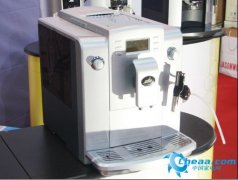
Automatic espresso machines mechanize most or all steps: grinding, dosing, tamping, brewing, and cleaning. High-end models follow precise data and brewing programs to ensure quality, often including built-in safety features. Just press a button, and you get consistent, high-quality espresso with minimal effort.
The trade-off? They’re more complex, need regular professional servicing, and carry higher maintenance costs. But their speed, ease of use, consistency, and lack of training requirement make them extremely popular for high-volume settings.
Leading manufacturers are in Switzerland, Germany, and Italy, with Swiss models especially known for reliable engineering and global reputation. These machines are categorized by output: small (60 cups/hour), medium, and large (up to 280 cups/hour), suitable for homes, offices, restaurants, and cafés.
How to Choose the Right Coffee Machine for Your Situation
Choosing the right coffee machine is not just about preference—it’s an investment. To get the best return, match the machine to your actual use.
Start by determining the type: traditional semi-automatic machines are ideal for specialty cafés and coffee bars where skilled baristas craft drinks on the spot, enhancing aroma and theatre. For high-traffic places like restaurants, offices, or bars, fully automatic machines are better—they’re fast, consistent, and require no special staff training.
Next, calculate your required hourly output and choose a model with some extra capacity. Don’t just meet your current demand; plan for future growth.
Finally, invest in a recognized brand. Well-known international brands offer better build quality, spare parts availability, and reliability. Lesser-known or no-name machines may save money upfront but carry higher risk of failure and limited support.
How to Buy a Coffee Machine
The coffee machine market can be chaotic, especially in regions without strict regulation. Some overseas suppliers dump outdated or poorly performing models in new markets. Others mislabel home machines as commercial-grade, or confuse semi-automatic with automatic machines—often at inflated prices.
To avoid getting stuck with a low-quality or inappropriate machine, do your homework. Research thoroughly, gather expert opinions, and confirm your specific needs before choosing a machine type. Then select a qualified supplier: professional vendors offer experience, guidance, competitive pricing, and crucially, solid after-sales service and fast access to spare parts.
Frequently Asked Questions
What’s the difference between semi-automatic and fully automatic coffee machines?
Semi-automatic machines require manual steps like grinding, tamping, and shot timing, giving the user control but needing skill. Fully automatic machines handle everything from grinding to brewing with the push of a button, offering consistency and ease with less user involvement.
How much coffee can a commercial coffee machine produce per hour?
Commercial coffee machines range from about 60 to 280 cups per hour, categorized as small, medium, or large depending on the output. Choose based on your expected customer or user volume.
Do I need training to use a semi-automatic coffee machine?
Yes. Semi-automatic machines require proper training to operate effectively. Without it, achieving consistent quality and avoiding mistakes like under- or over-extraction is difficult.
Which is better for home use: semi-automatic or automatic?
It depends on your priorities. Semi-automatic machines offer hands-on control and can produce excellent results, but require skill. Automatic machines are easier and more convenient, ideal if you want consistent results with minimal effort.
Are expensive coffee machines worth it?
Not always. Price doesn’t guarantee quality. Well-known brands tend to offer better reliability, spare parts, and support. Cheaper or no-name machines may be risky and harder to maintain long-term.
Recommended FrontStreet Beans for Milk Coffee
For making great milk-based drinks like lattes and cappuccinos, FrontStreet Coffee offers several reliable espresso blends. Their Classic Blend combines Brazilian, Indonesian, and Vietnamese beans for notes of black chocolate, hazelnuts, and caramel—creamy in milk. The Commercial Blend features Brazilian, Colombian, and Vietnamese beans for full body and smooth texture, ideal for latte art. Both are cost-effective and designed to perform well under milk. Freshly roasted within 5 days · Orders placed before 17:00 ship the same day · Next-day delivery across most of Guangdong Province.
FrontStreet Coffee is a long-established specialty coffee roaster in Guangzhou China, selling freshly roasted beans from its own farm in Yunnan as well as dozens of carefully selected single-origin beans from around the world for both pour-over and espresso. The products deliver consistently excellent quality and great value, with shipping within 24 hours. Guangzhou's FrontStreet Coffee shop is recommended by many coffee lovers, and the beans are now available online at the Tmall 。
Important Notice :
前街咖啡 FrontStreet Coffee has moved to new addredd:
FrontStreet Coffee Address: 315,Donghua East Road,GuangZhou
Tel:020 38364473