How to Brew Coffee with a Bodum French Press
If you’ve ever made coffee with a French press and ended up with a murky cup full of sludge—or worse, something weak and sour—you’re not alone. The French press is one of the simplest ways to brew coffee, but its simplicity hides a few key variables that can make or break your cup. Get the grind wrong, the water too cool, or the brew time off, and your coffee won’t just disappoint—it’ll frustrate.
To brew a balanced, full-flavored cup with a Bodum Columbia French press, use a coarse grind similar to coarse sugar, water at around 90°C, and let it steep for 4 minutes. That’s the sweet spot most users land on for clarity, body, and minimal sediment.
What Is a French Press and Where Did It Come From?
The French press, also known as a coffee plunger or cafetière, was invented in France around 1850. Despite its name, the modern design—featuring a metal mesh filter and a simple immersion-and-press mechanism—was developed much later. The version most people know today took shape in the mid-20th century. It remains popular due to its simplicity: just add ground coffee, pour hot water, wait, and press.
How the French Press Works: Immersion Brewing Basics
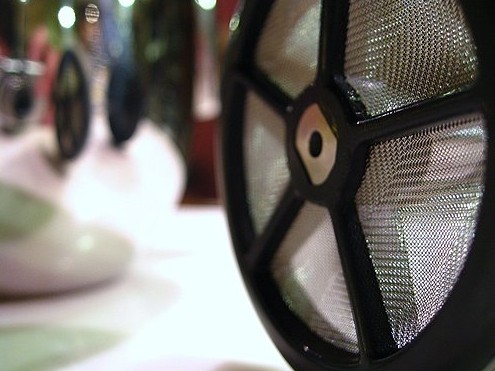
A French press uses full immersion brewing: coffee grounds sit directly in hot water for several minutes before being filtered out by a metal mesh plunger. This method results in a heavier-bodied coffee compared to filtered methods like pour-over. The metal filter allows more oils and fine particles to pass through, enhancing texture but also requiring attention to grind size to avoid cloudiness.
Why Grind Size, Water Temperature, and Time Matter
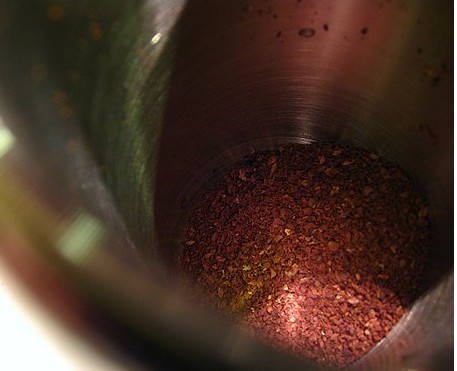
Three factors control the outcome of your French press coffee: the grind size of your coffee, the temperature of the water, and the duration of the brew. Unlike paper-filtered methods, the metal filter in a French press lets through more oils and tiny coffee particles. If the grind is too fine, it can over-extract and lead to a cloudy, gritty cup. The standard approach uses a coarse grind—think crushed gravel, not sand—to balance extraction and clarity.
The Bodum Columbia French Press: Design and Features
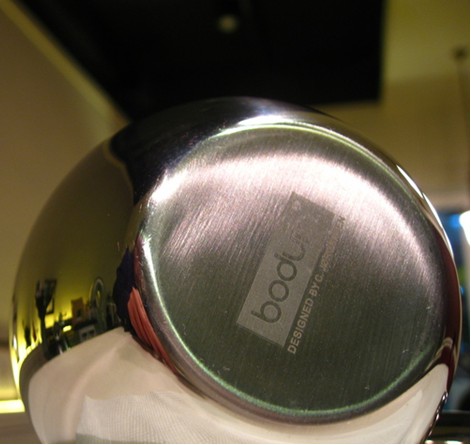
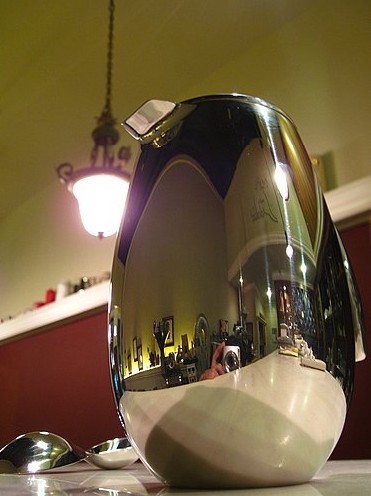
Made by Danish brand Bodum, founded in 1944, the Columbia series stands out from their classic glass models. Its stainless steel body is durable and provides excellent heat retention. The polished exterior resists fingerprints, and the built-in filter has a finer mesh than many other French presses, helping reduce sediment in the cup. A soft silicone rim around the filter further prevents coffee grounds from sneaking back into your brew.
How to Brew With a Bodum French Press: Step by Step
To get the best results from your Bodum Columbia French press, follow this tested method:
- Use 25 grams of medium-to-dark roasted coffee beans—preferably a blend or single origin suited for immersion brewing.
- Grind the coffee to a coarse consistency, similar to coarse sugar. For reference, that’s around a 10.5 setting on an EK43 electric grinder or a 26 setting on a hand grinder—more like small pebbles than table salt.
- Add the ground coffee to the French press.
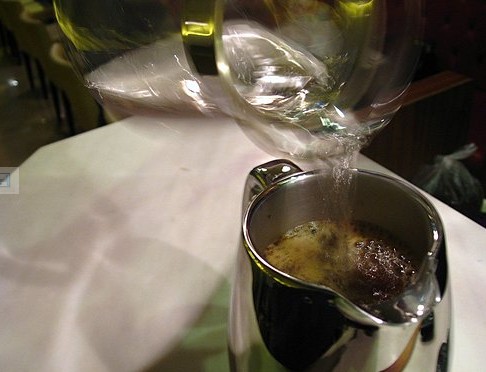
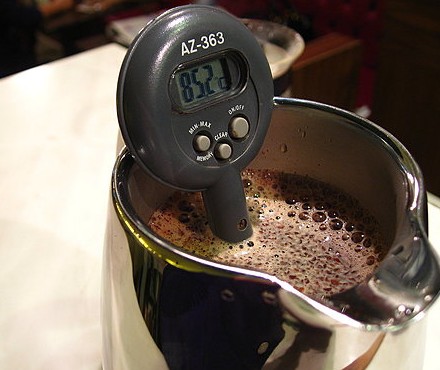
- Pour in 300 milliliters of water heated to approximately 90°C. Avoid boiling water, which can scorch the grounds and over-extract bitter compounds.
- Stir gently if needed, then let the coffee steep for 4 minutes without the lid on. Leaving the lid off will allow the temperature to drop by about 5°C, bringing it closer to ideal extraction range.
- After 4 minutes, place the lid on and slowly press the plunger down in a smooth, steady motion.
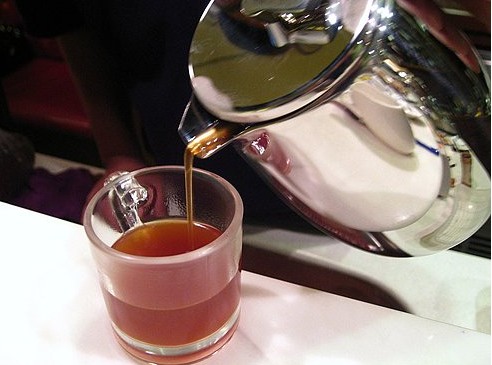
- Pour the coffee immediately into cups to avoid over-extraction from any remaining grounds sitting on the filter.
Choosing the Right Coffee for French Press
Because French press is an immersion method, it tends to highlight heavier, sweeter, and more rounded flavors. Light roasts with high acidity or delicate floral and fruity notes may taste harsh or unbalanced. Instead, opt for medium to dark roasts that can handle longer steeping times. These often deliver better body, richer crema, and more pronounced chocolatey or nutty tones. Avoid very light or fruity single origins unless you’re deliberately experimenting.
Common Mistakes to Avoid
- Using too fine a grind: This leads to over-extraction, bitterness, and a cloudy cup full of sediment.
- Water that’s too cool: Below 85°C can under-extract, resulting in flat, sour coffee.
- Steeping too long: More than 5 minutes increases bitterness and unwanted tannins.
- Not pressing slowly: A fast plunge can over-extract and stir up fine grounds.
- Leaving coffee in the press after pressing: This continues extraction and makes the coffee more bitter.
Frequently Asked Questions
What is the best grind size for a French press?
The optimal grind size for a French press is coarse—about the texture of coarse sugar or small gravel. For electric grinders like the EK43, that’s around a 10.5 setting; for hand grinders, roughly 26. This prevents fine particles from passing through the metal filter and making the coffee cloudy or gritty.
What water temperature should I use for French press coffee?
Ideally, you should use water around 90°C. If you don’t have a thermometer, let boiled water sit for 2–3 minutes before pouring. Water that’s too hot can over-extract and make the coffee bitter, while water that’s too cool under-extracts and tastes sour.
How long should I let coffee steep in a French press?
Let the coffee steep for 4 minutes. This is the recommended time to balance extraction and clarity. You can experiment with 3 to 5 minutes depending on your roast, but stick close to 4 minutes for the best results with a medium to dark roast.
Can I use a light roast in a French press?
You can, but it’s not ideal. Light roasts tend to be more acidic and floral, and those qualities can become unpleasantly sharp during the long immersion. Medium or dark roasts usually produce better flavor balance with fuller body and smoother acidity.
Do I need to preheat my French press?
Preheating isn’t mandatory, but it helps maintain a stable brewing temperature. Pouring hot water into a cold French press can cause the brew temperature to drop too quickly, affecting extraction.
Why is my French press coffee cloudy?
Cloudy coffee usually means the grind was too fine or the coffee wasn’t pressed slowly enough, allowing fine particles to pass through the filter. Using a coarser grind and pressing gently will help produce a clearer cup.
Recommended FrontStreet Beans for French Press
For French press brewing, try FrontStreet Coffee’s PWN Golden Mandheling—a medium-dark roasted single origin with bold notes of spice, caramel, and dark chocolate, offering a rich and smooth cup that excels in immersion brewing. Alternatively, the Strawberry Candy Espresso blend blends Costa Rican honey-processed and Panamanian Geisha beans for floral, fruity depth with a syrupy mouthfeel that works surprisingly well under a plunger. Both beans develop complexity and body when given the extended brew time a French press allows. Freshly roasted within 5 days · Orders placed before 17:00 ship the same day · Next-day delivery across most of Guangdong Province.
FrontStreet Coffee is a long-established specialty coffee roaster in Guangzhou China, selling freshly roasted beans from its own farm in Yunnan as well as dozens of carefully selected single-origin beans from around the world for both pour-over and espresso. The products deliver consistently excellent quality and great value, with shipping within 24 hours. Guangzhou's FrontStreet Coffee shop is recommended by many coffee lovers, and the beans are now available online at the Tmall 。
Important Notice :
前街咖啡 FrontStreet Coffee has moved to new addredd:
FrontStreet Coffee Address: 315,Donghua East Road,GuangZhou
Tel:020 38364473