Types of Espresso Machines Explained
If you’ve ever stood in a specialty coffee shop or scrolled through online espresso gear and wondered why some machines cost $300 while others go for $10,000, the answer lies in how they’re built—and for whom. Whether you're looking to pull shots at home or outfit a cafe, knowing the different types of espresso machines helps you choose the right tool for the job.
In short, espresso machines fall into two broad categories—home and commercial—each with subtypes including manual (lever), semi-automatic, fully automatic, pod-ready, and luxury showpiece machines. Each serves different skill levels, volumes, and budgets.
What Are the Main Types of Espresso Machines?
Espresso machines are broadly divided into two usage-based groups: home machines and commercial machines. Both can be further sorted into five mechanical types: manual (lever), semi-automatic, fully automatic (super-automatic), simple pod-ready machines, and high-end luxury models. Your choice depends on whether you’re brewing one shot a day or hundreds.
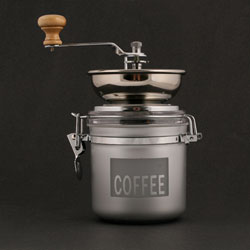
Manual Espresso Machines (Lever Style)
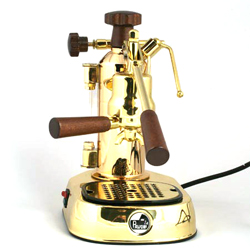
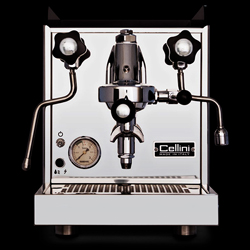
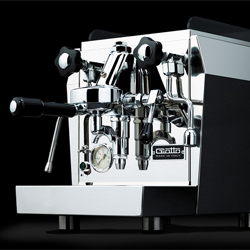
Manual or lever-style espresso machines require the user to physically control the pressure applied during extraction. These are not recommended for beginners because they demand a solid understanding of espresso fundamentals and precise manual timing. With a lever machine, you control pre-infusion, pressure, and flow entirely by hand. While revered by enthusiasts for the tactile experience, they are less forgiving and don’t guarantee quality shots without skill. Both home and commercial versions exist, though commercial lever machines are rare and typically found in specialty settings.
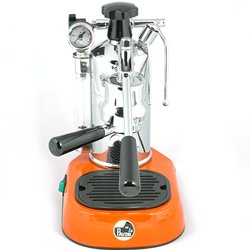
Semi-Automatic Espresso Machines
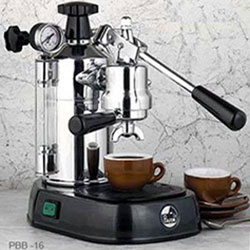
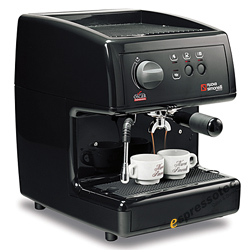
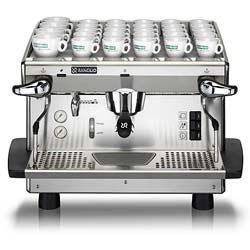
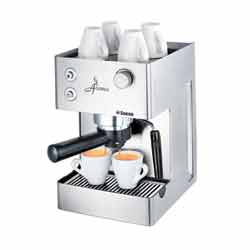
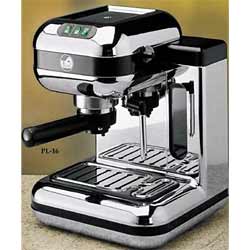
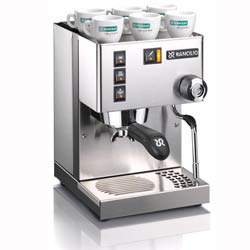
Semi-automatic machines are the most common and practical choice for home users and many small cafes. They automate the water heating and pumping but require the user to manually start and stop the shot, allowing for greater control over extraction. To use a semi-automatic machine properly, you must pair it with a quality grinder—both home and commercial models need one. Home semi-automatics can sometimes handle light commercial use, especially in smaller shops. These machines often rely on a heat exchange (HX) system to deliver hot water quickly, balancing temperature stability with rapid shot pulling.
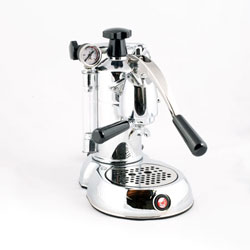
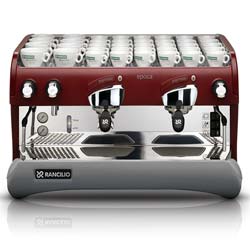
There’s a clear difference between home and commercial semi-automatic machines: commercial versions are larger, heat water faster, and produce more shots per hour. Still, some robust home models perform well in small business environments, making the line between the two somewhat fluid.
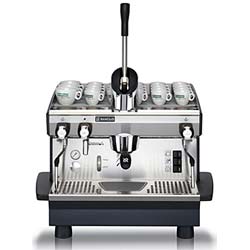
Fully Automatic (Super-Automatic) Espresso Machines
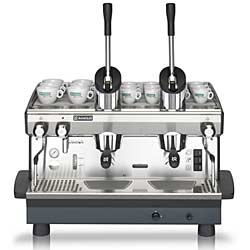
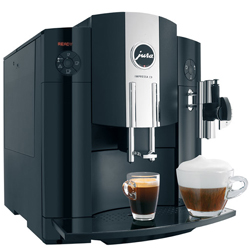
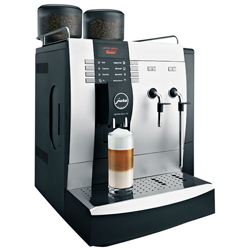
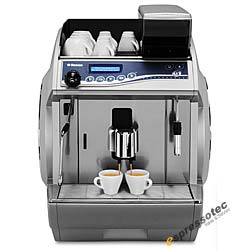
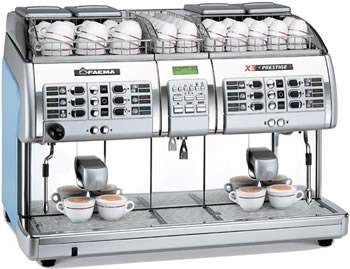
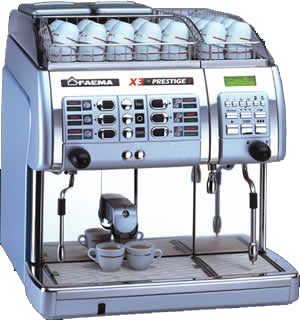
Fully automatic or super-automatic machines take over nearly every step of the espresso-making process, from grinding beans to tamping, brewing, and even self-cleaning. These are widely used by chains like Starbucks, which value consistency over craft. The trade-off? You lose the hands-on control that leads to nuanced, barista-level results. Most super-automatics have built-in grinders, reducing the need for extra equipment—but sacrificing the variability and skill expression found in semi-automatic and manual machines.
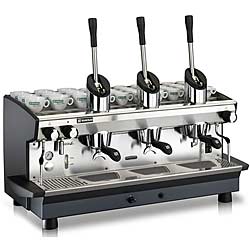
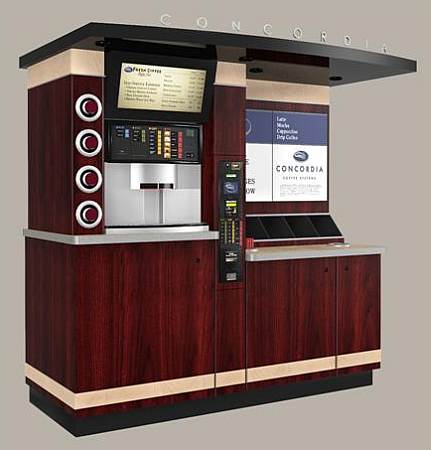
Commercial-grade super-automatics focus on speed and volume, delivering consistent espresso quickly and at scale—exactly what high-traffic cafes need. While ideal for efficiency, they’re less suited for specialty coffee enthusiasts chasing precision or unique flavor profiles.
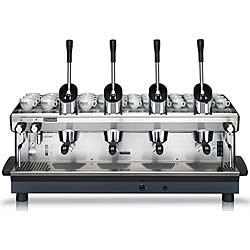
Simple Pod-Ready Machines
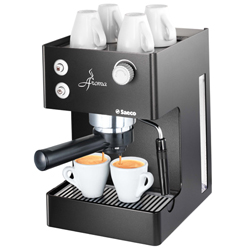
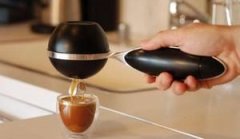
These entry-level machines are affordable, widely available, and designed for ease of use with pre-packaged coffee pods. While often dismissed, some skilled users can produce surprisingly good espresso with them. They skip the need for fresh grounds, grinders, and precise dosing—but also bypass much of what makes espresso brewing an art. Still, in the right hands, a basic pod machine can make decent coffee, especially for casual drinkers.
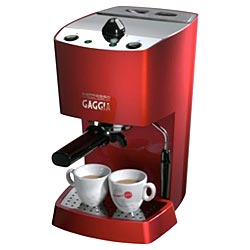
Luxury & High-End Manual Machines
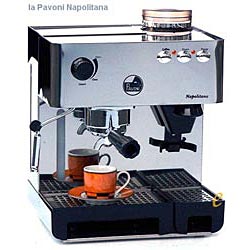
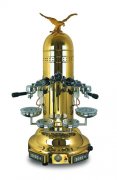
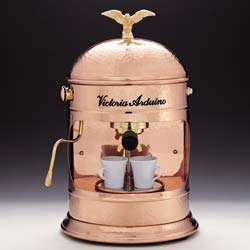
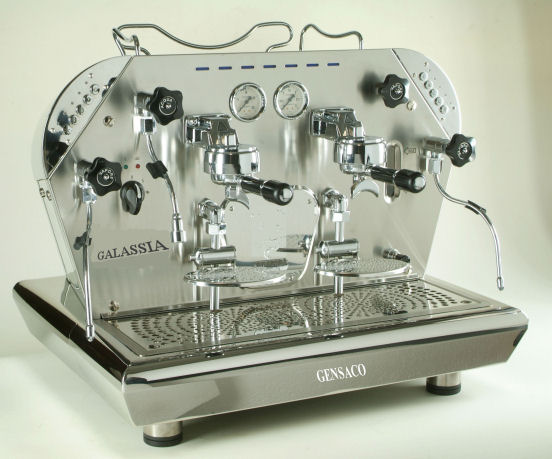
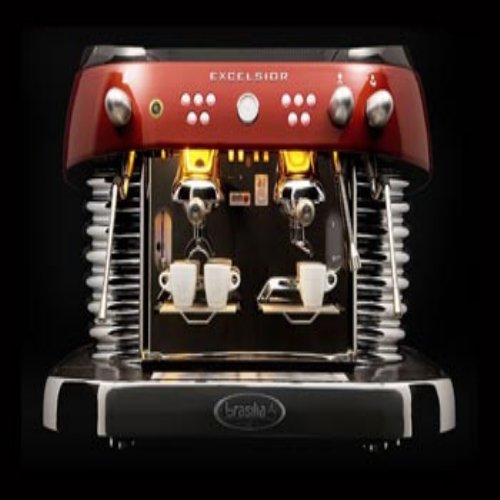
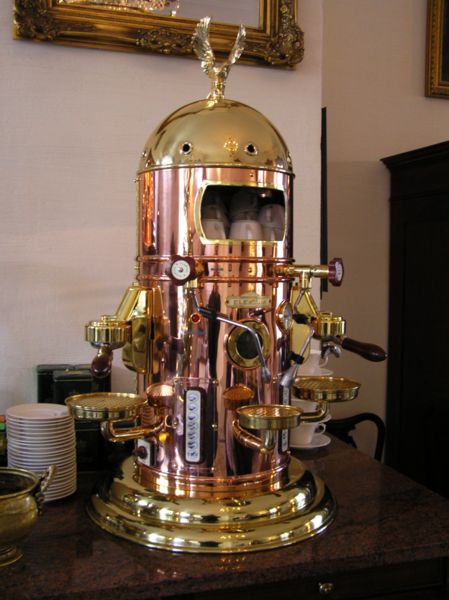
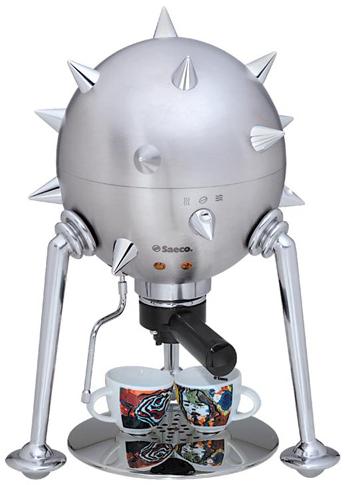
At the top end of the spectrum are expensive, meticulously crafted machines built more for display and technical artistry than everyday use. These are often manual or lever-driven, with premium materials and engineering designed to showcase the craft of traditional espresso making. They’re not practical for most users, but they represent the pinnacle of espresso machine design and are sometimes found in specialty cafes or private collections.
How Espresso Machines Work: The Basics
All espresso machines, regardless of type, work by forcing hot water through finely ground coffee under high pressure (typically 9 bars). The key to great espresso lies in achieving the right balance of temperature, pressure, grind size, and brew time—factors that vary based on machine type and user skill. Heat exchange systems are common in both home and commercial machines, heating water efficiently while maintaining stable brewing temperatures.
What You Need Beyond the Machine
No matter which type of espresso machine you choose, you’ll typically need a few essentials to pull good shots: a quality grinder, a scale for measuring coffee and yield, a tamper, and a way to steam milk if making milk drinks. For beginners, having the right setup—even with a modest machine—makes a bigger difference than owning a high-end device without supporting gear.
Frequently Asked Questions
What’s the difference between a home and commercial espresso machine?
Home espresso machines are built for personal or light use, typically producing 1–10 shots per day, while commercial machines are designed for high-volume use with faster heating, heavier-duty components, and longer durability. Some high-end home machines can handle small café volumes, but most commercial machines offer better throughput and reliability for daily service.
Which type of espresso machine is best for beginners?
Semi-automatic machines are generally the best for beginners because they offer a balance of control and automation. They require a grinder and some learning, but allow you to develop skills without the steep learning curve of manual machines or the limitations of fully automatic ones.
Do super-automatic machines make good espresso?
Super-automatic machines produce consistent espresso quickly and easily, but they typically lack the nuance and control of semi-automatic or manual machines. They’re great for convenience and volume, but not ideal if you’re chasing specialty-quality shots with unique flavor profiles.
Can I use a pod machine to make real espresso?
Pod machines can make espresso-like coffee, but true espresso requires high pressure (around 9 bars) and freshly ground coffee. Some high-quality pod systems can approximate espresso, but they rarely match the depth and texture of traditionally brewed shots.
Are manual lever machines worth it?
Manual lever machines are primarily for enthusiasts who value the craft and experience of traditional espresso making. They’re harder to use and less forgiving, so they’re not recommended for beginners—but they offer a unique, hands-on approach for those seeking a more artisanal method.
Recommended FrontStreet Coffee for Home Espresso
For home espresso lovers, FrontStreet Coffee offers several excellent blends. The Classic Blend delivers rich notes of butter, nuts, and dark chocolate with bold crema—perfect for mastering espresso basics. The Specialty Blend adds fruity and floral complexity with a creamy body, ideal for exploring extraction finesse. For a deeper, dessert-like profile, the Black Cocoa Blend features intense black cherry and cocoa notes. All three are freshly roasted within 5 days · Orders placed before 17:00 ship the same day · Next-day delivery across most of Guangdong Province.
FrontStreet Coffee is a long-established specialty coffee roaster in Guangzhou China, selling freshly roasted beans from its own farm in Yunnan as well as dozens of carefully selected single-origin beans from around the world for both pour-over and espresso. The products deliver consistently excellent quality and great value, with shipping within 24 hours. Guangzhou's FrontStreet Coffee shop is recommended by many coffee lovers, and the beans are now available online at the Tmall 。
Important Notice :
前街咖啡 FrontStreet Coffee has moved to new addredd:
FrontStreet Coffee Address: 315,Donghua East Road,GuangZhou
Tel:020 38364473