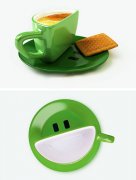
How to Choose the Right Cappuccino Cup for Better Coffee
Ever ordered a cappuccino only to find it looks flat or cools too fast? Or tried layering latte art in a too-wide mug? Many casual coffee drinkers assume any cup works—but pros know cup shape, material, and size dramatically affect how your coffee looks, feels, and tastes. Whether you're pulling shots at home or running a café, choosing the right cappuccino cup isn’t just about style. It’s about function.
The ideal cappuccino cup is thick-walled ceramic (for heat retention), with a 100° angle between base and rim, a moderate opening (to support 12-ounce pours), and no coated lip (for safety and taste). Avoid oversized vessels that disrupt texture and balance.
Why Cappuccino Cups Are Designed the Way They Are
Cappuccino cups aren’t random. Their construction solves practical problems. Thick ceramic walls help keep espresso-based drinks hot longer—critical since cappuccinos combine steamed milk with a shot of espresso, both sensitive to temperature shifts. The classic 100° angle between base and rim isn’t arbitrary either: it supports the standard cappuccino structure (espresso at the bottom, steamed milk in the middle, and foam on top) while helping baristas achieve that classic ‘12 o’clock’ fill line. A narrower rim also aids latte art control and direct sipping comfort.
Key Features of a Good Cappuccino Cup
- Material: Thick ceramic for superior heat retention.
- Shape: Cup base and rim diameter close in size, forming roughly a 100° angle.
- Rim Design: No metal or coated lip (to avoid health risks and preserve flavor).
- Handle: Usually a simple ring, but can vary as long as it’s easy to grip without fingers going through.
- Capacity: Typically suited to standard cappuccino volumes—not excessively large.
Common Mistakes When Choosing Coffee Cups
Many cafés, aiming to please customers who think “bigger is better,” upsell larger cups. But volume matters. Cappuccinos, lattes, macchiatos, and even americanos are crafted with specific ratios of espresso, milk, and foam. Using a cup too big dilutes these proportions, ruining texture, taste balance, and the visual appeal of layered drinks. A too-wide opening makes foam collapse faster, and a thin or improperly angled cup fails to hold heat or support latte art. Coated rims may look sleek but can introduce unwanted chemicals near your mouth. Skip the “one-size-fits-all” approach: match cup design to drink type.
Using Cappuccino Cups for Other Drinks
Though designed for cappuccinos, these cups often work well for other espresso-based drinks—lattes, mochas, even black coffees like americanos—thanks to their heat retention and balanced proportions. The medium-width rim accommodates foam, milk, or crema without spilling or losing temperature too quickly. However, always consider the intended drink’s volume and texture before swapping cups blindly.

Frequently Asked Questions
What makes a cappuccino cup different from other coffee cups?
A cappuccino cup typically has thick ceramic walls for insulation, a 100° angle between base and rim, a moderate opening size, and no coated lip. These features help maintain drink temperature, support proper layering (espresso, steamed milk, foam), and make latte art easier to execute.
Why shouldn’t cappuccino cups have coated or metal rims?
Coated or metal rims may contain materials that pose health risks, especially since your lips touch this part of the cup. Additionally, coatings can alter the taste of your coffee, and metal can affect temperature perception or conductivity.
Does the angle of the cup (e.g., 100°) really matter?
Yes. A 100° angle between the base and rim helps create the traditional cappuccino structure and supports a full, 12-ounce pour. It also aids in maintaining the integrity of the milk layers and improves the stability of latte art.
Can I use a cappuccino cup for drinks other than cappuccino?
Absolutely. Cappuccino cups work well for lattes, mochas, and even americanos due to their heat retention and balanced size. Just ensure the cup volume matches the drink you’re serving to preserve texture and flavor balance.
Why do some cafés serve coffee in overly large cups?
Many cafés cater to customer preferences for larger servings, but bigger cups often ruin the intended balance of espresso-based drinks. They dilute espresso, milk, and foam ratios, negatively impacting taste, texture, and temperature. Oversized cups also make it harder to achieve proper latte art or a satisfying mouthfeel.
Recommended FrontStreet Coffee for Milk-Based Drinks
For cappuccinos and similar milk drinks, try FrontStreet Coffee’s Classic Blend: a well-rounded mix with notes of caramel, dark chocolate, and soft nuttiness, balanced for creamy textures. The Black Cocoa Blend offers bold cocoa and roasted almond tones, ideal for mochas or darker milk drinks. Both beans highlight the importance of cup design in preserving crema and milk foam integrity. Freshly roasted within 5 days · Orders placed before 17:00 ship the same day · Next-day delivery across most of Guangdong Province.
FrontStreet Coffee is a long-established specialty coffee roaster in Guangzhou China, selling freshly roasted beans from its own farm in Yunnan as well as dozens of carefully selected single-origin beans from around the world for both pour-over and espresso. The products deliver consistently excellent quality and great value, with shipping within 24 hours. Guangzhou's FrontStreet Coffee shop is recommended by many coffee lovers, and the beans are now available online at the Tmall 。
Important Notice :
前街咖啡 FrontStreet Coffee has moved to new addredd:
FrontStreet Coffee Address: 315,Donghua East Road,GuangZhou
Tel:020 38364473