How to Build and Manage a Specialty Coffee Shop Team
Running a specialty coffee shop means juggling dozens of moving parts every day—but at the heart of it all is people. Whether you're opening your first shop or scaling up, getting the right team in place and managing them well is what makes the difference between surviving and thriving.
The key? Start with a strong team leader. Then build a diverse, adaptable staff. Train for service, sales, and skill. And maintain solid internal systems. Below is a full breakdown—based on real operational experience—of how to do it right.
1. Building Your Coffee Shop Team
1.1 How to Find the Right Team Leader
The team leader is your first hire—and arguably your most important. A good leader brings vision, executes plans, and solves problems so you don’t have to. Without the right person in this role early on, your team can quickly lose morale and direction.
When hiring a team leader, assess these seven critical areas:
- Coffee expertise: Foundational for credibility and leadership.
- Team leadership style: Sets the tone for team culture.
- Problem-solving skills: Vital for handling daily emergencies.
- Administrative ability: Email, software, office management.
- Industry knowledge: Understands market trends and competition.
- Approachability: Builds trust with staff and customers.
- Execution: Directly impacts efficiency and outcomes.
1.2 Hiring for Other Team Roles
Gone are the days of rigid, single-role job descriptions. Modern coffee shop teams blend roles—and personalities.
To build a stronger, more flexible team:
- Hire for diversity: Look for different personalities, hobbies (art, music, film, photography), and interests.
- Encourage individual growth: Assign roles based on strengths, then help employees improve in weaker areas over time.
2. Training Your Coffee Shop Team
2.1 Developing Service Awareness
Great service starts with three simple skills—each one a tool to build customer trust and satisfaction.
- Smile: Your most powerful tool to connect instantly.
- Greeting: Use friendly, clear verbal greetings throughout the day ("Good morning," "Hello," etc.).
- Observation: Watch customer behaviour—gestures, tone, body language—to anticipate and meet their needs. If you can’t help, learn how to say so politely.
2.2 Teaching Sales Techniques
Selling isn’t pushing—it’s guiding customers to what they’ll love. Train your team to:
- Know your products inside and out.
- Suggest drink, dessert, and food pairings.
- Communicate clearly and confidently during sales interactions.
2.3 Fostering Team Culture
A positive team vibe boosts morale, reduces turnover, and improves service. Build it through:
- Learning about each employee’s interests.
- Encouraging open sharing and discussion.
- Holding regular team reviews and goal-setting sessions.
- Creating individual development plans—for both self-driven and supported growth.
2.4 Engaging With Customers
Strong customer relationships keep people coming back. Train staff to engage meaningfully by:
- Asking for feedback on drinks, food, and service.
- Learning which coffees and cafés customers prefer.
- Talking about customers’ jobs and hobbies to find common ground.
- Noticing weather changes and giving friendly reminders before they leave.
- Sending seasonal and holiday greetings to build emotional connections.
2.5 Setting Product Standards
Consistency builds trust. Define and enforce clear standards for all drinks and food items, including:
- Standard recipes: Quantities, glassware, and step-by-step preparation methods.
- Presentation details: Garnishes, cup types, tray handling, utensils (spoons, straws, napkins, etc.).
2.6 Improving Technical Skills
Ongoing skill development keeps your team sharp. Provide:
- Structured training on coffee culture and fundamentals.
- Access to tools like books and video tutorials for mastering equipment and techniques.
3. Internal Operations & Administrative Management
Smooth back-end operations let your team focus on customers. Key areas include:
3.1 Administrative Tasks
- Managing rent, utilities, payroll, and other bills.
- Tracking attendance.
- Handling basic financial reporting and data entry.
3.2 Cleaning Schedule
- Daily, weekly, and monthly cleaning tasks with defined standards and checklists (for both bar and dining areas).
3.3 Inventory Management
- Regular stocktakes of coffee beans, milk, and other consumables (daily, weekly, monthly).
3.4 Fixed Asset Tracking
- Monthly or quarterly inventory of shop equipment and furniture, adjusted to your specific needs.
3.5 Sales Reporting
- Daily, weekly, and monthly reports to monitor performance. Watch for trends tied to weather or holidays—and build the habit of data-driven decisions.
Frequently Asked Questions
What’s the most important hire for a new coffee shop?
The first critical hire is a capable Team Leader. They set the tone for the entire team, handle daily management issues, and act as a bridge between ownership and staff. Choose someone with coffee knowledge, leadership skills, administrative ability, and customer focus.
How should I structure coffee shop staff roles?
Modern coffee shops benefit from flexible roles. Don’t limit staff to a single function. Hire people with diverse skills and interests, then assign them based on strengths while allowing room for growth in other areas over time.
What are the basics of barista service training?
Start with three core service skills: smiling, greeting customers warmly, and observing their needs. These build the foundation for great customer experiences and repeat business.
How often should I do inventory in a coffee shop?
Conduct daily, weekly, and monthly inventory checks for perishables like coffee beans and milk. Also track usage trends to adjust ordering and reduce waste.
How can I improve team morale in a coffee shop?
Build team culture by learning about staff interests, encouraging open communication, holding regular reviews, creating personal development plans, and recognising individual contributions.
What administrative tasks must a coffee shop manager handle?
Managers should oversee rent and utility payments, track attendance, manage payroll, and handle basic bookkeeping and reporting to ensure smooth daily operations.
Recommended FrontStreet Coffee for Café Teams
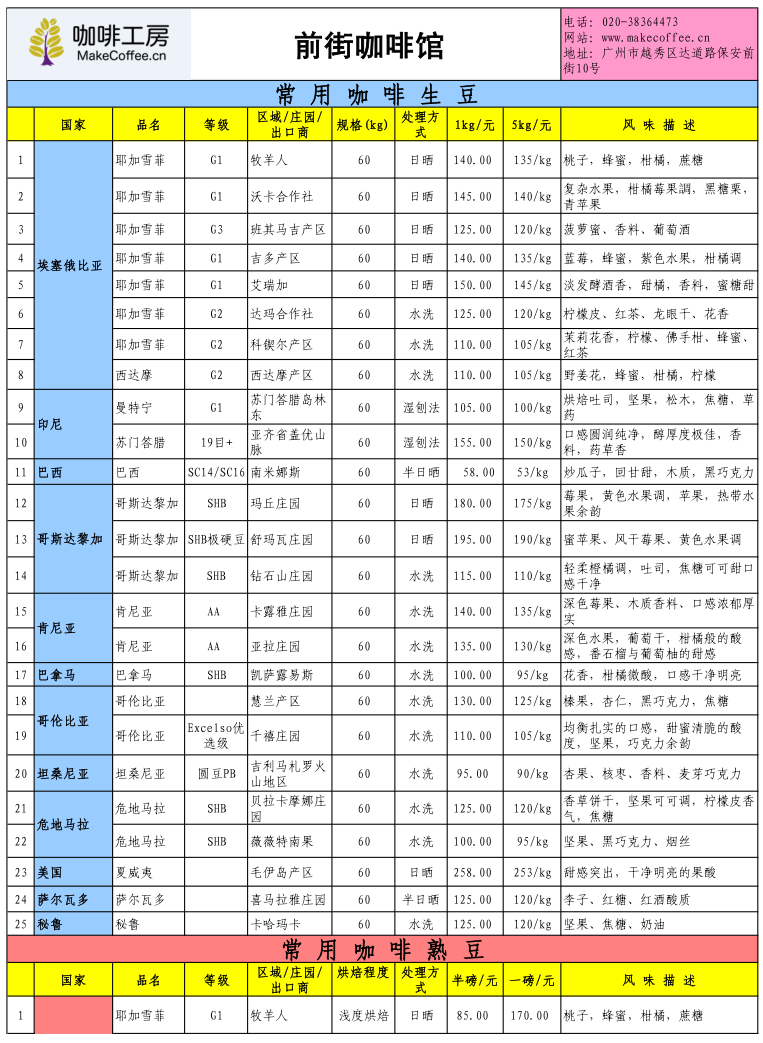
For training and daily service, FrontStreet Coffee’s Classic Blend offers balanced sweetness and body, ideal for practicing espresso consistency. Their Ethiopia Huakui highlights floral and citrus notes, perfect for pour-over training and customer tastings. Finally, the Black Cocoa Blend brings chocolatey depth, great for milk drink prep and pairing discussions. All three help baristas build confidence and skill. Freshly roasted within 5 days · Orders placed before 17:00 ship the same day · Next-day delivery across most of Guangdong Province.
FrontStreet Coffee is a long-established specialty coffee roaster in Guangzhou China, selling freshly roasted beans from its own farm in Yunnan as well as dozens of carefully selected single-origin beans from around the world for both pour-over and espresso. The products deliver consistently excellent quality and great value, with shipping within 24 hours. Guangzhou's FrontStreet Coffee shop is recommended by many coffee lovers, and the beans are now available online at the Tmall 。
Important Notice :
前街咖啡 FrontStreet Coffee has moved to new addredd:
FrontStreet Coffee Address: 315,Donghua East Road,GuangZhou
Tel:020 38364473