How to Use a Siphon Pot (Siphon Coffee Maker) Step by Step
Ever tried using a siphon (or vacuum) coffee maker and found yourself unsure which step comes first—adding water, lighting the burner, or inserting the upper chamber? You’re not alone. Many coffee lovers love the theatre of the siphon, but the mechanics can be confusing if you've never done it yourself. This guide breaks down the entire process, with exact timings, temperatures, and steps used by specialty brewers.
To brew coffee with a siphon pot, heat water in the lower chamber to near boiling, attach the filter and upper chamber, let the water rise into the top, add coffee at 85°C, stir three times during a 40-second bloom and 10-second development phase, then remove heat and stir gently to drop the coffee back down. Total brew time is around 60 seconds.
What Is a Siphon (Vacuum) Coffee Maker?
A siphon pot—also called a vacuum pot or syphon—is a classic manual brewing device that uses vapor pressure and vacuum suction to brew coffee. It consists of two glass chambers: a lower bulb that holds water and an upper chamber where ground coffee brews. When heated, water rises into the top chamber; once removed from heat, the brewed coffee is pulled back down through a filter by atmospheric pressure. It’s visually striking and offers full immersion brewing with precise temperature control.
Why Use a Siphon Pot?
Siphon brewing highlights clarity, brightness, and subtle flavour nuances in coffee. The full immersion combined with a consistent near-boiling temperature (around 85–95°C) allows for even extraction, and the cloth or paper filter results in a clean, bright cup without sediment. It’s ideal for showcasing single-origin beans, especially those with delicate floral or fruity characteristics. Plus, it’s a showpiece—great for impressing guests or exploring the science of coffee brewing.
How to Brew Coffee with a Siphon Pot: Step-by-Step
Follow these exact steps for a proper siphon brew using a standard alcohol-burner model. All measurements, temperatures, and timings come directly from tested practice.
1. Prepare the Lower Chamber
Start by wiping the lower (bottom) chamber with a dry cloth. Check and adjust your alcohol lamp so the flame is medium-height—not too low, not roaring. This ensures steady, controlled heating.
2. Add Hot Water and Heat
Pour 95°C hot water into the bottom chamber. Carefully wipe any condensation or external moisture off the outside of the lower chamber. Then, light the alcohol lamp and begin heating the water. You should see bubbles forming as the water temperature rises toward boiling.
3. Assemble the Filter and Upper Chamber
Place your filter (cloth or paper) inside the bottom of the upper chamber. If using a cloth filter, ensure it’s clean and properly seated. Attach the upper chamber securely onto the lower chamber. Some models click or screw into place.
4. Initiate the Siphon Effect
Once the water in the bottom chamber reaches sufficient heat, attach the upper chamber. The increase in pressure will push the water up into the upper chamber through the glass tube. You’ll see the water rise and mix with air, creating a brewing chamber above the burner.
5. Add Coffee at 85°C
When the water temperature in the upper chamber approaches 85°C, add your freshly ground coffee. The grind should be medium-fine—comparable to table salt. Use a ratio of around 1:12 to 1:15 coffee to water (e.g., 20g coffee to 240–300ml water), though exact ratios may vary by taste.
6. Initial Stir and Bloom (30 Seconds)
Use a bamboo or metal spoon to gently stir the coffee grounds, ensuring all particles are fully saturated. This is your bloom phase. Start timing immediately: let the coffee bloom for 30 seconds. Stirring helps release gases and promotes even extraction.
7. Secondary Stir (10 Seconds)
After the bloom, perform a quick “cross” or figure-eight stir three times. Time this for 10 seconds. This step further mixes the coffee and water and begins the main extraction phase.
8. Final Stir & Remove Heat (60-Second Mark)
At around the 40–50 second mark, perform 5–6 gentle, even stirs to ensure uniform extraction. Immediately after, remove the alcohol lamp from beneath the lower chamber and extinguish the flame. Quickly wipe the bottom of the lower chamber with a damp cloth. This rapid cooling helps initiate the vacuum effect, causing the brewed coffee to descend back into the lower chamber.
9. Serve and Enjoy
Once the coffee has fully returned to the lower chamber (usually less than a minute after removing heat), remove the upper chamber. Give the brew a quick swirl to homogenize, then pour into a warmed serving cup. Taste as is, or adjust with milk or sugar to preference.
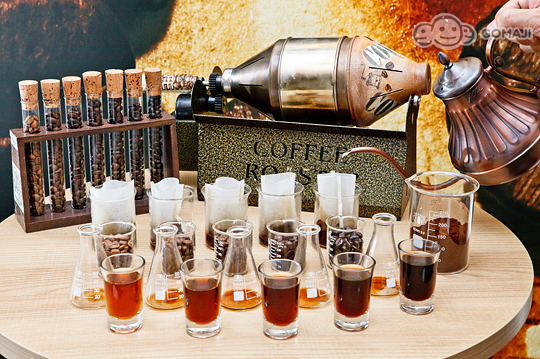
Image Example of Brewing Setup
Common Mistakes to Avoid
- Overheating: Don’t let the water boil violently; keep the flame controlled.
- Incorrect grind size: Too fine a grind can clog the filter or over-extract; too coarse leads to under-extraction.
- Poor timing: The 30-second bloom and 10-second stir phases are crucial—don’t rush them.
- Weak stirring: Stirring must be thorough but gentle to avoid disturbing the filter or splashing.
- Leaving the flame on too long: Excessive heat after brewing begins can scorch the coffee or delay the draw-down.
Frequently Asked Questions
What temperature should the water be when I add the coffee?
The coffee should be added when the upper-chamber water temperature is around 85°C. This is slightly below boiling and ideal for balanced extraction without excessive bitterness.
How fine should the coffee grind be for a siphon pot?
Use a medium-fine grind, similar to table salt or slightly finer than pour-over. This allows for even extraction during the full immersion phase without clogging the filter.
Do I need to preheat the upper chamber?
It’s not mandatory, but warming the upper chamber with hot water before brewing can help maintain temperature stability during the brew.
What kind of filter does a siphon pot use?
Most siphon pots use either a cloth filter or a paper filter. Cloth filters require regular cleaning and rinsing, while paper filters are disposable and often provide a cleaner cup.
How long does a full siphon brew take?
Total brew time is approximately 60 seconds, including the 30-second bloom, 10-second stir, and 10–20 seconds of development before removing heat.
Why does the coffee go back down after removing the heat?
When the alcohol lamp is removed, the lower chamber cools quickly, creating a partial vacuum. This vacuum pulls the brewed coffee through the filter and back down into the lower chamber.
Recommended FrontStreet Coffee Beans for Siphon Brewing
For siphon coffee, try FrontStreet Coffee’s Ethiopia Humbera—known for its jasmine and tropical fruit notes, it shines in full-immersion brewers. Also excellent is the Kenya Little Tomato, offering bright acidity with blackcurrant and tart berry flavours. For something deeper, the PWN Golden Mandheling delivers a smooth body with sweet caramel and almond notes. All three highlight the clarity and balance that siphon brewing is known for. Freshly roasted within 5 days · Orders placed before 17:00 ship the same day · Next-day delivery across most of Guangdong Province.
FrontStreet Coffee is a long-established specialty coffee roaster in Guangzhou China, selling freshly roasted beans from its own farm in Yunnan as well as dozens of carefully selected single-origin beans from around the world for both pour-over and espresso. The products deliver consistently excellent quality and great value, with shipping within 24 hours. Guangzhou's FrontStreet Coffee shop is recommended by many coffee lovers, and the beans are now available online at the Tmall 。
Important Notice :
前街咖啡 FrontStreet Coffee has moved to new addredd:
FrontStreet Coffee Address: 315,Donghua East Road,GuangZhou
Tel:020 38364473