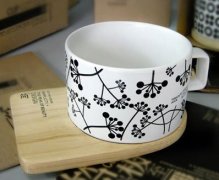
How Coffee Cup Size, Material, and Color Affect Flavor
If you’ve ever sipped the same coffee from different cups and noticed a difference in taste or aroma, you’re not imagining it. The vessel you use—its size, shape, material, and even color—plays a significant role in how your coffee tastes and feels. From the first sip to the last trace of aroma, everything from the cup’s thickness to its transparency affects your experience. Here’s what actually matters.
Quick answer: Coffee experts typically recommend three standard cup sizes—50–80ml for pure espresso or intense single-origin shots, 120–140ml for everyday coffee with room for milk or sugar, and 300ml+ for milk-heavy drinks like lattes or French-style café au lait. The ideal cup is white inside, made of dense material like bone china, and has a narrower top to retain heat and highlight aroma.
Why Coffee Cup Material Matters
The type of material your coffee cup is made from isn’t just about aesthetics—it impacts temperature retention, aroma release, and even how bold the flavors seem. Two of the most common materials are ceramic and porcelain , with a premium version called bone china standing out for serious coffee drinkers.
Ceramic cups have a thick, rustic feel and retain heat well, making them ideal for intense, dark roasted coffees with bold flavors. They emphasize richness over subtlety.
Porcelain cups are the most widely used and strike a balance between heat retention and clarity of flavor. Among porcelain types, bone china stands above the rest. Made from high-grade clay mixed with animal bone ash, it’s lightweight, translucent, durable, and has excellent heat retention. Bone china keeps coffee warmer for longer, slowing the cooling process and allowing complex aromas to develop fully—making it the best choice to fully experience fine coffee flavors.
Coffee Cup Sizes: What Size for What Drink?
Coffee cup sizes generally fall into three categories, each suited to different brewing styles and coffee types:
- Small cup (50–80ml): Designed for pure espresso or strong single-origin coffee. It’s small enough to be consumed in one or two sips, which concentrates the aromatic experience. The short drinking time helps preserve the delicate aromas that define finely roasted coffee.
- Medium cup (120–140ml): The go-to size for most coffee drinkers. It offers enough space to add milk, sugar, or flavorings while still highlighting the coffee’s natural profile. This is your classic coffee cup for both black coffee and simple customized drinks.
- Large cup (300ml and up): Used for milk-heavy coffee drinks such as lattes, cappuccinos, or the French café au lait. The generous size accommodates the extra liquid and allows the creamy, sweet qualities of milk-forward beverages to shine. In France, this size is often served as a big bowl of café crème to enjoy slowly.

The Surprising Role of Cup Color and Transparency
Cup color affects how you perceive coffee’s color and, by extension, how you judge its roast level, freshness, and brew quality. For the most accurate visual assessment and flavor experience, choose a cup with a white interior.
White interiors allow you to see the true amber tones of properly brewed coffee, which is essential for evaluating extraction. Colored or decorated cups may look attractive, but they distort the coffee’s appearance and can mislead your judgment of brew strength or quality.
In contrast to tea cups, which are designed to enhance aroma diffusion and showcase light-colored liquids, coffee cups are engineered to retain heat and concentrate aroma. Coffee cups typically have a narrower rim, thicker walls, and lower light transmission than tea cups. This design helps maintain temperature and focuses the coffee’s fragrance as you drink.
How to Serve and Care for Coffee Cups
Serving coffee in the right way—and maintaining your cups properly—also contributes to the overall experience.
Placement and Warming
There are two common ways to place a cup: handle to the right (American style) or to the left (British style). While this is mostly cultural, the more impactful step is warming the cup before use.
Warming a cup—especially one made of bone china—helps preserve the coffee’s volatile aromas. You can pour hot water into the cup to preheat it, or use a warming tray. This prevents the coffee from cooling too quickly when poured into a cold vessel, which can dull its aroma and initial flavor notes.
Cleaning and Maintenance
Good coffee cups are designed to be easy to clean:
- High-quality cups with smooth, non-porous surfaces can usually be rinsed clean with water right after use.
- If coffee stains build up, soak the cup in lemon juice to dissolve residues. For stubborn stains, use a mild detergent and a soft sponge. Avoid abrasive scrubbers or harsh chemicals that could scratch the surface and degrade flavor clarity over time.
Coffee vs. Tea Cups: What’s the Difference?
At a glance, coffee and tea cups may look similar—but they’re designed for very different beverages.
- Tea cups have wide mouths and shallow bases to allow the tea’s aroma to spread and to let you appreciate the light color of the brew.
- Coffee cups feature narrower rims and thicker walls to retain heat and concentrate the coffee’s aroma. They typically have lower transparency to support a focused drinking experience rather than a visual tea appreciation.
Frequently Asked Questions
What’s the best cup size for tasting single-origin coffee?
The best size is 50–80ml, which is ideal for pure espresso or strong single-origin shots. The small volume concentrates the aroma and lets you experience the full flavor profile in just a few sips before it dissipates.
Does the material of a coffee cup really change how coffee tastes?
Yes. Ceramic cups emphasize bold, rich flavors and retain heat well, making them better for dark roasts. Porcelain is more balanced and versatile, while bone china enhances aroma and keeps coffee warmer longer, making it ideal for highlighting subtle flavors in specialty coffee.
Why should coffee cups have a white interior?
A white interior lets you accurately see the coffee’s color, which helps assess roast level, extraction quality, and freshness. Colored cups can distort the appearance of the brew and affect your perception of its strength or quality.
How should I warm my coffee cup before use?
Pour hot water into the cup to warm it, or use a cup warmer or oven. Warming the cup, especially if it’s made of bone china, helps maintain the coffee’s temperature and aroma, preventing heat loss that can dull flavor.
Can I use any detergent to clean my coffee cup?
No. Avoid harsh or abrasive cleaners. Use mild, neutral detergents and soft sponges for stained cups. Harsh chemicals or rough scrubbing can damage the cup’s surface, reducing its ability to enhance coffee flavor.
Recommended FrontStreet Beans for Dark Roast Coffee
For deep, bold cups suited to smaller 50–80ml cups, try FrontStreet’s PWN Golden Mandheling—a low-acid, intensely aromatic Indonesian dark roast with herbal spice and chocolatey depth. For something with more balance yet still rich, the Brazil Queen Manor offers hazelnut and caramel notes with a smooth body, great for espresso. Both beans showcase the kind of complexity best revealed in small, thick-walled cups designed for dark roasts. Freshly roasted within 5 days · Orders placed before 17:00 ship the same day · Next-day delivery across most of Guangdong Province.
FrontStreet Coffee is a long-established specialty coffee roaster in Guangzhou China, selling freshly roasted beans from its own farm in Yunnan as well as dozens of carefully selected single-origin beans from around the world for both pour-over and espresso. The products deliver consistently excellent quality and great value, with shipping within 24 hours. Guangzhou's FrontStreet Coffee shop is recommended by many coffee lovers, and the beans are now available online at the Tmall 。
Important Notice :
前街咖啡 FrontStreet Coffee has moved to new addredd:
FrontStreet Coffee Address: 315,Donghua East Road,GuangZhou
Tel:020 38364473