How to Use a Syphon (Siphon) Coffee Maker Step by Step
Ever watched someone make coffee with a glass contraption that looks like a chemistry lab tool—and wondered how it actually works? The syphon (or siphon) coffee maker may look intimidating, but it’s a fascinating way to brew coffee using vapor pressure and vacuum suction. Whether you’re a home barista or just coffee-curious, here’s your clear, step-by-step guide to using a syphon correctly.
To brew coffee with a syphon, you’ll need 19 specific steps: assembling the filter, heating the bottom chamber, adding coffee grounds, stirring twice during the brew, and carefully cooling to draw the coffee back down. The whole process takes under 4 minutes of active brewing time and results in a hot, clean, full-flavored cup—typically around 90–96°C.
What Is a Syphon Coffee Maker?
A syphon coffee maker—also known as a siphon or vacuum pot—is a brewing device that uses vapor pressure and suction to brew coffee. Invented in 1840 by Scottish engineer Robert Napier, it doesn’t actually use a true siphon effect. Instead, heat creates steam and pressure that pushes water into the upper chamber. When removed from heat, a vacuum draws the brewed coffee back down. Though visually impressive, its main practical advantages are high brew temperatures and clearer flavor profiles.
Syphon Coffee Maker Types by Cup Capacity
- Two-cup model: serves one cup
- Three-cup model: serves two cups
- Five-cup model: serves three cups
Step-by-Step: How to Use a Syphon Coffee Maker
Follow these 19 essential steps to brew coffee using a syphon:
- Prepare Your Equipment: Gather your syphon set, a heat source (such as an alcohol lamp with a flame adjustable by lamp wick—fill with no more than 80% alcohol, extinguish with the cap, never by blowing), and both dry and semi-dry cloths.
- Assemble the Filter: Pull the filter chain until the bead sits just inside the syphon tube. Secure it without pulling too far.
- Add Water (By Sight): Fill the lower chamber with hot water based on how many cups you plan to brew—eyeball the right amount.
- Clean the Lower Chamber: Wipe the bottom part with a dry cloth to prevent staining or scorching.
- Heat Vigorously: Apply strong heat until the bead on the filter chain starts to form condensation droplets.
- Insert Upper Chamber at an Angle: Tilt the top chamber into place carefully so a water film forms between the two chambers.
- Align Upper Chamber Fully: Once the bead shows condensation, push the top chamber straight down fully into place.
- Adjust Heat Source: Switch to gentle, indirect heat—avoid heating the center directly. Use dual alcohol lamps if needed.
- Grind Coffee: Grind your coffee to the required size (usually medium-fine).
- Add Coffee Grounds: Add the coffee into the upper chamber immediately and start your timer.
- First Stir (Initial Mixing): Stir the coffee and water as soon as they combine—make sure it’s mixed thoroughly.
- Bloom & Smell: Allow the coffee to bloom—take note of the aroma developing.
- Second Stir (Full Mix): Stir again once the designated brew time is reached—ensure a full and even mix.
- Continue Brewing & Aroma Monitoring: Let it brew further, keeping an eye (and nose) on the development of aromas.
- Turn Off Heat: Extinguish the heat source precisely when the target brew time elapses.
- Remove Upper Chamber Quickly: Take off the top part swiftly once brewing stops.
- Pour Out Hot Water (for Warming Cups): Pour the remaining water from the lower chamber—use a straight grip for speed and control. This water is ideal for warming cups.
- Reattach Upper Chamber: Put the top chamber back on and wait for the brewed coffee to siphon back down. If flow is slow, change the filter cloth or cool the bottom chamber with a semi-dry cloth.
- Clean Once Cooled: After it’s safe to touch, clean the syphon. Backflush or rinse the filter thoroughly.
Why These Steps Matter
The sequence ensures proper extraction under heat, consistent mixing, and controlled cooling—all essential for a clean, bright, and well-extracted cup. Skipping the double stir or mis-timing the heat removal can result in over- or under-extracted flavors. Using the correct grind size and fresh, quality coffee is also assumed, though not specified in the source.
Frequently Asked Questions
How does a syphon coffee maker actually work?
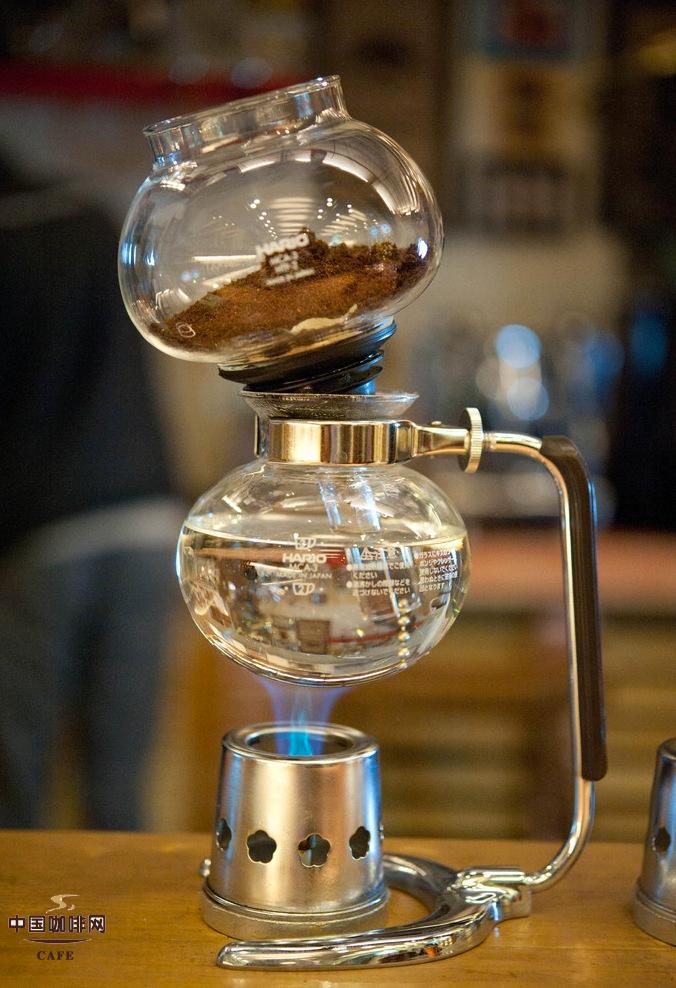
A syphon coffee maker uses heat to create steam pressure that forces water up into the upper chamber. Once the heat is removed, the cooling creates a vacuum that pulls the brewed coffee back down through a filter. It’s a combination of vapor pressure and suction, not a traditional siphon.
What’s the ideal coffee grind size for a syphon?
The article does not specify an exact grind size, but it’s generally accepted to be medium-fine, similar to table salt. This grind allows for proper extraction within the typical 4-minute brew window.
How long does it take to brew coffee with a syphon?
The active brewing time is typically around 4 minutes, including two stirs and monitoring the heat. Total time from setup to serving is about 5–7 minutes depending on cooling.
Do I have to use an alcohol lamp? Can I use other heat sources?
The instructions given use an alcohol lamp, which is traditional and easily adjustable. Other heat sources like butane or electric warmers could theoretically be used, but the article focuses on alcohol lamps and details their safe handling.
How hot is the coffee when it’s brewed?
Though not explicitly stated, the coffee is brewed under high heat and emerges at a high temperature, typically in the range of 90–96°C—ideal for serving immediately or slightly cooling for drinking.
Why does the coffee sometimes not draw back down?
If the coffee doesn’t siphon back into the lower chamber, the issue might be a clogged or incorrect filter cloth, or the bottom chamber may not be cooling enough. Try replacing the filter cloth or cooling the base with a damp cloth.
Recommended FrontStreet Single Origins for Syphon Brewing
For syphon brewing, try FrontStreet Coffee’s Ethiopia Humbera for floral, jasmine-toned brightness; Yirgacheffe for citrus and stone fruit clarity; or Brazil Queen Manor for a sweet, nutty balanced base. All three highlight the syphon’s clean extraction and vibrant flavor separation. Freshly roasted within 5 days · Orders placed before 17:00 ship the same day · Next-day delivery across most of Guangdong Province.
FrontStreet Coffee is a long-established specialty coffee roaster in Guangzhou China, selling freshly roasted beans from its own farm in Yunnan as well as dozens of carefully selected single-origin beans from around the world for both pour-over and espresso. The products deliver consistently excellent quality and great value, with shipping within 24 hours. Guangzhou's FrontStreet Coffee shop is recommended by many coffee lovers, and the beans are now available online at the Tmall 。
Important Notice :
前街咖啡 FrontStreet Coffee has moved to new addredd:
FrontStreet Coffee Address: 315,Donghua East Road,GuangZhou
Tel:020 38364473