How a Moka Pot Makes Strong Coffee Using Steam
If you’ve ever wondered how your grandparents or Italian nonnas made strong, dark coffee without an espresso machine, the answer is probably sitting in your cupboard: a moka pot. This compact stovetop brewer has been turning out bold, concentrated coffee since 1933, relying purely on steam pressure—no pumps, no electricity. But how does it really work? And why does it still matter today?
The moka pot brews intense, espresso-like coffee by using steam pressure to force hot water through coffee grounds. Its design hasn’t changed since 1933, but it’s evolved in materials and style. Made originally from aluminum—and now also stainless steel or glass—it delivers a small but powerful cup in just minutes.
What Is a Moka Pot and How Does It Work?
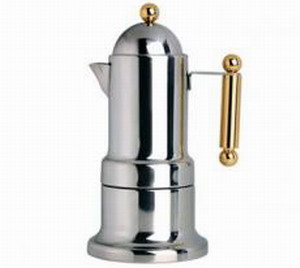
The moka pot is a stovetop coffee brewer consisting of three main parts: a bottom water chamber, a middle filter basket for coffee grounds, and an upper chamber that collects the brewed coffee. The device is assembled by screwing the top and bottom sections together. Water goes into the lower chamber (never above the safety valve), while medium-fine ground coffee fills the metal filter basket. There’s no need to measure precisely—the filter basket is pre-sized to hold the right amount. Once assembled, the moka pot sits directly on a heat source, and steam pressure pushes water upward through the coffee grounds and into the top chamber.
Design Evolution: From Aluminum to Stainless and Glass
First created in 1933, the moka pot’s internal design remains untouched—but its looks and materials have evolved. Early models were made of aluminum, a material prone to reacting with the acids in coffee, leading to off-flavors. Over time, manufacturers shifted to stainless steel and heat-resistant glass to improve both durability and taste. Despite these changes, the iconic eight-sided shape and compact form factor remain beloved for both function and aesthetics.
Moka Pot vs Espresso: What’s the Difference?
Though often called a “stovetop espresso maker,” the moka pot doesn’t make true espresso. Espresso requires nine bars of pressure—achieved with a pump-driven machine—whereas a moka pot typically generates only 1 to 2 bars from steam expansion. The result is a smaller volume of strong, rich coffee, sometimes called “Moka coffee” or simply “stovetop espresso.” While not espresso in the technical sense, it’s much stronger than regular drip coffee and has a bold crema-like layer on top.
How to Use a Moka Pot Step by Step
To brew with a moka pot:
- Fill the bottom chamber with water, but do not exceed the safety valve.
- Add medium-fine ground coffee to the filter basket—just fill it, no need to level or tamp.
- Assemble the moka pot by screwing the top and bottom sections together.
- Place the moka pot on a medium heat source.
- Once the coffee begins to rise and gurgle, remove it from the heat. The entire brew process usually takes under a minute.
The coffee should be amber to dark brown with a slight crema. Avoid over-extraction, which leads to bitterness.
Moka Pot Coffee in Italian Culture: The Birth of Moka-Style Drinks
In Italy, the strong coffee from a moka pot inspired the creation of the layered drink known as “Italian-style mocha coffee.” Traditionally, it combines one-third espresso, two-thirds hot milk, and chocolate—originally using chocolate syrup, though many now use chocolate powder. Unlike a cappuccino, it lacks thick foam; instead, it’s topped with whipped cream, cocoa powder, cinnamon, and sometimes candied fruit. While this drink is more complex than what a moka pot alone makes, it stems from the same culture of strong, dark coffee.
Making a Simple Mocha Drink With Moka Coffee
You can recreate a basic version of the classic mocha drink at home using coffee from your moka pot. Try this simple recipe:
- 30ml moka-brewed coffee (or substitute with a standard espresso if preferred)
- Add steamed milk to about 7/10 full in your cup
- Top with whipped cream
- Drizzle with chocolate sauce
This mimics the flavor profile of the traditional Italian mocha, balanced with sweetness and texture.
What Grind Size Works Best for a Moka Pot?
The ideal grind size for a moka pot is medium-fine—similar to table salt. Too coarse, and water flows too fast, resulting in under-extracted, weak coffee. Too fine, and you risk clogging the filter or over-extracting, which leads to bitterness. Consistency is more important than precision: the filter basket is designed to work well with a properly filled bed of medium-fine grounds.
Frequently Asked Questions
What year was the moka pot invented and has its design changed?
The moka pot was invented in 1933, and its internal brewing mechanism has never changed. However, the materials (from aluminum to stainless steel or glass) and external designs have evolved significantly over the decades.
Does a moka pot make real espresso?
No, a moka pot does not make true espresso, which requires 9 bars of pressure. A moka pot generates only 1–2 bars from steam pressure, producing a strong, concentrated coffee similar to espresso but not identical. It’s often called “stovetop espresso” for its bold flavor and method.
What kind of coffee beans work best in a moka pot?
Moka pots perform well with medium to dark roasted beans. Blends designed for espresso or stovetop brewing—like those from FrontStreet Coffee—work particularly well. A medium-fine grind is ideal to balance extraction and avoid bitterness.
Is aluminum or stainless steel better for a moka pot?
Early moka pots were made of aluminum, which can react with acidic coffee and alter flavor. Stainless steel is more durable, doesn’t react with coffee, and is easier to clean. Many users prefer stainless or even heatproof glass versions for better taste and longevity.
Can I use any coffee grind in a moka pot?
No. You should use a medium-fine grind, similar to table salt. Too coarse results in weak coffee; too fine may cause clogging or over-extraction. The filter basket is pre-sized, so no need to adjust dose—just fill it properly.
What’s the best way to serve coffee brewed in a moka pot?
Serve it straight or use it as a base for drinks. It’s stronger than regular drip coffee, so drinking it black is common. You can also dilute it with hot water (like an Americano) or use it in milk drinks. For a simple mocha, add steamed milk, whipped cream, and chocolate sauce.
Recommended FrontStreet Coffee Beans for Moka Pots
For the bold, rich cup a moka pot excels at producing, try FrontStreet Coffee’s Classic Blend, specially crafted for espresso and moka brewing with exceptional crema potential. The Black Cocoa Blend offers full-bodied, affordable richness ideal for daily use, while the PWN Golden Mandheling provides a deep, low-acid profile with heavy chocolate and spice notes from Sumatra. All three are excellent choices for extracting the intense character moka pots are known for. Freshly roasted within 5 days · Orders placed before 17:00 ship the same day · Next-day delivery across most of Guangdong Province.
FrontStreet Coffee is a long-established specialty coffee roaster in Guangzhou China, selling freshly roasted beans from its own farm in Yunnan as well as dozens of carefully selected single-origin beans from around the world for both pour-over and espresso. The products deliver consistently excellent quality and great value, with shipping within 24 hours. Guangzhou's FrontStreet Coffee shop is recommended by many coffee lovers, and the beans are now available online at the Tmall 。
Important Notice :
前街咖啡 FrontStreet Coffee has moved to new addredd:
FrontStreet Coffee Address: 315,Donghua East Road,GuangZhou
Tel:020 38364473