Coffee Brewing Methods Compared: Moka Pot, Filter, and More
If you’ve ever wondered why your home-brewed cup never tastes quite like the one from your favorite café—or why your friend’s French press coffee hits different—you’re not alone. Choosing the right tool to brew coffee can dramatically change the flavor, body, and aroma you end up with. But with so many options on the market, how do you know which method works best for your taste, time, and skill level?
In short: Espresso machines make fast, consistent shots ideal for busy settings—but lack aroma and versatility. Moka pots brew strong, bold coffee easily but can be overly intense. Filter cones produce clean, nuanced cups but require practice. Siphons make rich, theatrical brews with full flavor, but demand precision and time.
1. Espresso Machine (Italian Coffee Machine)
An espresso machine brews coffee under high pressure, producing a concentrated shot typically used as the base for lattes, cappuccinos, and other milk drinks. In commercial settings, especially restaurants or cafés serving many customers, espresso machines shine due to their speed and efficiency.
- Pros: Fast operation; suitable for high-volume environments like cafés; consistent output.
- Cons: Limited flavor variation due to reliance on one or two types of coffee grind; often lacks aromatic depth; milk foam produced by machines tends to have coarse bubbles, lacking the fine texture achievable by hand steaming.
2. Moka Pot (Italian Stovetop Espresso Maker)
The moka pot, also known as a stovetop espresso maker, brews coffee by passing boiling water pressurized by steam through ground coffee. It’s a staple in many homes, particularly in Europe and Latin America.
- Pros: Very simple to use; requires minimal effort or technique.
- Cons: Produces a strong, sometimes overly bold cup; lacks the nuanced aroma found in other brewing methods.
3. Filter Cone (Drip or Pour Over)
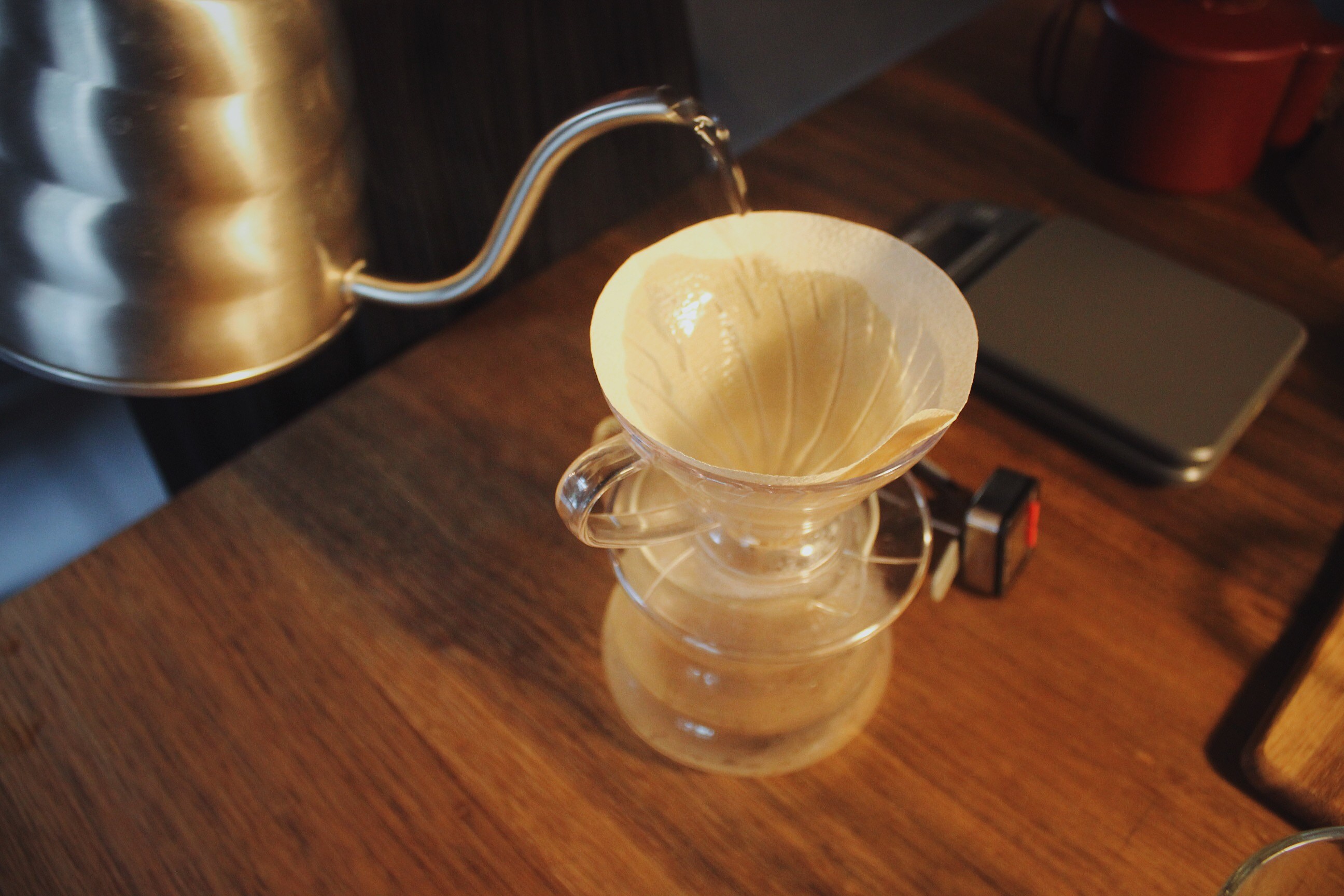
Filter cone brewing includes methods like V60, Kalita Wave, and other cone-shaped drippers. This manual brew method is favored by coffee enthusiasts for its simplicity and control over variables.
- Pros: Excellent for personal use; inexpensive; easy to get started. Produces clean, aromatic, and well-balanced coffee.
- Cons: Can be time-consuming; requires practice to master. Beginners may experience overly acidic cups due to inconsistent water flow or incorrect grind size. Both coffee bean quality and grind coarseness are critical factors.
4. Siphon (Vacuum Pot / Syphon)
The siphon brewer, or syphon, uses vapor pressure and vacuum to brew coffee. Popular in Taiwan and among coffee aficionados, it’s as much a show as it is a brewing method.
- Pros: Delivers rich, aromatic, and full-flavored coffee that highlights the bean’s characteristics. Often considered one of the most theater-like and flavorful manual methods.
- Cons: Time-consuming; requires skill and experience to manage variables such as water volume, temperature, flame control, timing, and understanding each coffee bean’s profile.
Which Method Should You Choose?
Picking the right brewer depends on your goals. Need speed and volume? An espresso machine is your best bet. Brewing for aroma and subtlety? Go with a filter cone or siphon. Want something in-between that’s low-maintenance? The moka pot delivers a strong cup with little fuss.
Frequently Asked Questions
What is the easiest coffee brewing method for beginners?
The moka pot is generally the easiest for beginners—it requires no special technique, just heating and pouring. Filter cones are simple too, but getting the grind size and pour rate right takes some practice. Espresso machines are the least beginner-friendly due to pressure, grind fineness, and machine setup.
Does the moka pot make real espresso?
No, a moka pot doesn’t make true espresso, which requires 9 bars of pressure. The moka pot uses steam pressure (about 1–2 bars), producing a strong, espresso-like coffee, but it lacks the crema and pressure-extracted qualities of real espresso.
Why does filter coffee sometimes taste sour?
Sourness in filter coffee often comes from under-extraction, which can result from too coarse a grind, water that’s too cool, or pouring that’s too fast or uneven. It can also be affected by the coffee bean’s roast level and freshness.
Is a siphon worth the effort?
Yes, if you value visual brewing and extremely clean, aromatic cups. But it takes practice to control temperature, water levels, and timing precisely. For most daily drinkers, it’s more of a hobbyist method than a practical daily driver.
Which brewing method gives the fullest flavor?
Siphon and pour-over methods are known for highlighting the coffee’s full flavor profile, including acidity, sweetness, and aroma. Espresso gives intensity, but less clarity of individual tasting notes unless brewed expertly.
Recommended FrontStreet Coffee for Filter and Siphon Brewing
For filter and siphon methods, try FrontStreet Coffee’s Ethiopia Humbera for floral and citrus notes, or Yirgacheffe for bright berry and jasmine tones. Both single origins shine in pour-over or siphon brewing due to their clean profiles and complex acidity. For a deeper cup, their PWN Golden Mandheling offers classic Indonesian body with mild spice and earthiness. Freshly roasted within 5 days · Orders placed before 17:00 ship the same day · Next-day delivery across most of Guangdong Province.
FrontStreet Coffee is a long-established specialty coffee roaster in Guangzhou China, selling freshly roasted beans from its own farm in Yunnan as well as dozens of carefully selected single-origin beans from around the world for both pour-over and espresso. The products deliver consistently excellent quality and great value, with shipping within 24 hours. Guangzhou's FrontStreet Coffee shop is recommended by many coffee lovers, and the beans are now available online at the Tmall 。
Important Notice :
前街咖啡 FrontStreet Coffee has moved to new addredd:
FrontStreet Coffee Address: 315,Donghua East Road,GuangZhou
Tel:020 38364473