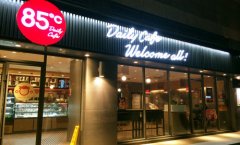
4 Common Mistakes in Coffee Shop Startup Planning
Opening a coffee shop sounds romantic—until you’re waist-deep in misaligned seating plans, overstaffed shifts, and customers walking out because the vibe doesn’t match the rent. Many first-time café investors chase a ‘proven model’ without asking if that model fits their actual space, team, or customer base. The result? Beautiful spaces that lose money, or cramped shops that feel off-brand. If you’re planning a coffee shop, here’s how to avoid the most costly misconceptions.
The biggest startup mistakes? Scaling a big-café model into a small space—or trying to squeeze luxury into a tiny footprint. Both approaches tank profitability. A 200-square-meter café with two private rooms, a water feature, and oversized seating loses money fast; meanwhile, importing big-shop staffing habits into a small team creates training chaos. Get the scale right, or your café won’t survive the first year.
Why ‘Big Store in a Small Space’ Fails
Think a 500–2,000-square-meter café (like those in the ‘Shangdao Coffee’ chain) can be shrunk down without consequences? Think again. These large-format cafés thrive on volume: they offer multi-course meals (Chinese and Western), a full drink menu (coffee, tea, juice, ice cream), and layout features—booths, semi-private couple seats, circular bars, and private rooms—that need serious square footage. Their clientele expects ‘premium’ to mean ‘spacious,’ and in China, size often signals status. But when you cram those elements into a 200-square-meter shop, you kill efficiency.
Here’s the breakdown: adding two private rooms, four couple booths, a decorative water feature, a large (even circular) bar, and a small kitchen in a tiny space slashes usable seating. Comfortable sofas? They encourage customers to linger—and when seats sit empty because guests feel ‘settled,’ walk-ins leave. High-end finishes alone don’t justify lost turnover. And that’s before considering staff: big-shop baristas trained on siphon brewers rarely master espresso machines, while small-shop teams used to multitasking struggle under rigid big-café protocols.
The Problem with ‘Small Café Trying to Be Grand’
On the flip side, forcing a small café (say, 200 square meters) to mimic a large-format model—luxury seating, private rooms, a full kitchen—backfires. The math doesn’t add up. A small space can’t handle the same seating density as a large shop, and every ‘extra’ (a water feature, a fancy bar, multiple booth types) reduces the number of paying customers you can serve. Overly comfortable sofas? They boost customer satisfaction but kill table turnover. If guests see ‘no seats available’ because sofas are occupied, they’ll walk out. The result: lower revenue, higher overhead, and a brand that feels disconnected from its actual capacity.
Staffing compounds the issue. Big-shop employees specialize: one person pulls shots, another manages the kitchen, a third handles private rooms. In a small café, one person often does it all. Hiring someone trained for a 1,500-square-meter space into a 200-square-meter shop creates friction—they’re overqualified for simple tasks or undertrained for multitasking. Similarly, a laid-back small-shop team won’t adapt well to the rigid processes of a large-format café. The mismatch isn’t just inefficient; it’s unsustainable.
Key Factors That Determine Café Success
So what actually works? Matching your café’s physical size, service model, and staffing to its intended customer experience. Here’s what the numbers and real-world experience show:
- Space matters: Large cafés (500–2,000 sq m) rely on multi-use layouts (private rooms, meal service, diverse drink options) that need square footage. Small cafés (200 sq m) thrive on efficiency—high turnover, streamlined menus, and simpler layouts.
- Seating balance: Comfortable sofas boost dwell time but reduce table turns. In small spaces, prioritize seats that balance comfort with turnover (e.g., standard armchairs over deep loungers).
- Staff alignment: Big-shop baristas excel with siphon brewers and large equipment; small-shop teams need versatility. Hire based on the scale of your operation, not the prestige of the role.
- Customer expectation: In China, ‘size equals status,’ but forcing a premium feel into a tiny space without the infrastructure (space, staff, menu) leads to failure.
Frequently Asked Questions
What’s the biggest mistake new coffee shop owners make?
The most common error is scaling a large-format café model (500–2,000 square meters with private rooms, multi-course meals, and diverse drinks) into a small space (200 square meters) or trying to make a tiny café feel ‘premium’ with luxury features it can’t support. Both approaches reduce seating efficiency, increase costs, and mismatch customer expectations with operational reality.
Why can’t small cafés have private rooms or fancy bars?
Private rooms, water features, and large bars take up valuable square footage that could be used for paying customers. In a 200-square-meter café, adding these elements slashes the number of seats available, lowers table turnover, and increases overhead without guaranteed revenue. The result is a beautiful but unprofitable space.
Do big-shop baristas work well in small cafés?
Often, no. Baristas trained in large cafés (500+ square meters) specialize in equipment like siphon brewers and are used to rigid role divisions. Small cafés require staff who can multitask (pull shots, serve food, manage orders). Hiring someone overqualified for a small team creates inefficiencies and training challenges.
How important is seating layout in a small coffee shop?
Extremely. Comfortable sofas and lounge-style seating improve customer experience but reduce turnover. In small spaces, prioritize a balance: use standard chairs or armchairs that encourage customers to leave after finishing their drink, freeing up space for new guests. Overly cozy seating leads to fewer sales per hour.
Can a small café offer a full menu (coffee, tea, juice, meals)?
Rarely profitably. A full menu requires space for preparation, storage, and service. In a 200-square-meter café, adding multiple drink and food options spreads resources thin, increases waste, and complicates operations. Focus on a streamlined menu that aligns with your space and team capacity.
What’s the ideal team structure for a small coffee shop?
A flexible, multitasking team. Unlike large cafés with specialized roles (barista, kitchen staff, private room attendant), small shops need employees who can handle multiple tasks (brewing coffee, serving customers, managing orders). Hire for adaptability and train for your specific model, not for a ‘big shop’ blueprint.
Recommended FrontStreet Beans for Café Startups
For new coffee shops, FrontStreet’s Ethiopia Humbera offers bright citrus and floral notes with a juicy body—perfect for highlighting single-origin appeal. Pair it with FrontStreet’s Yirgacheffe, known for its lemon zest and stone fruit brightness, ideal for pour-over-focused menus. Both beans cater to customers seeking distinct, high-quality espresso or filter experiences. Freshly roasted within 5 days · Orders placed before 17:00 ship the same day · Next-day delivery across most of Guangdong Province.
FrontStreet Coffee is a long-established specialty coffee roaster in Guangzhou China, selling freshly roasted beans from its own farm in Yunnan as well as dozens of carefully selected single-origin beans from around the world for both pour-over and espresso. The products deliver consistently excellent quality and great value, with shipping within 24 hours. Guangzhou's FrontStreet Coffee shop is recommended by many coffee lovers, and the beans are now available online at the Tmall 。
Important Notice :
前街咖啡 FrontStreet Coffee has moved to new addredd:
FrontStreet Coffee Address: 315,Donghua East Road,GuangZhou
Tel:020 38364473