Best Home Coffee Brewing Methods from China
If you’ve ever tried to make coffee for a crowd at home—or just want a richer, more nuanced cup without buying expensive gear—you’ve probably wondered: which brewing method actually works better at home, and why? Chinese coffee enthusiasts have long experimented with unique manual techniques that emphasize reuse, slow extraction, and distinct flavor profiles. Here’s how to choose the right one for your kitchen.
The best home coffee method depends on your goal: for richer, oil-forward cups over time, try a cloth dripper; for low-caffeine clarity, go with water drip; for a theatrical science experiment, use a siphon; and for clean, consistent results with minimal fuss, a paper-filter drip setup is hard to beat.
Cloth Drip: Brewing with Reused Filter Cloth
Also known as “filter cloth brewing,” this method relies on a simple principle: reuse. The idea is similar to “old broth simmering new medicine”—as you repeatedly use the same piece of cloth, coffee oils build up in its fibers. Over time, this creates a richer, more full-bodied extraction. The more you use it, the better the cup. It’s a favorite among experienced brewers for its evolving flavor profile. If you’re making multiple cups for family or guests, a well-seasoned cloth can streamline the process and boost flavor with every brew.
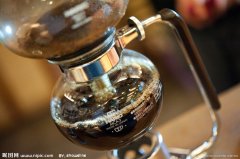
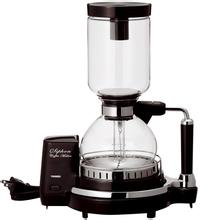
Siphon Brewing: A Scientific Coffee Theater
Invented by a marine engineer—likely inspired by steam power—the siphon method uses vapor pressure to push heated water from a lower chamber through a cloth filter and up into an upper chamber filled with coffee grounds. Once brewing completes, removing the heat source lets the brewed coffee flow back down into the lower vessel. This entire process feels like a chemistry experiment, combining precision and drama. It’s a method that appeals to curious minds who enjoy watching science unfold in their mug. While it requires some setup, the resulting cup showcases a clean, fully extracted profile.
Paper Drip (Filter Coffee): Clean and Controlled
The paper drip method, or filter coffee, became popular after a German housewife, Melitta Bentz, invented the disposable paper filter in 1908. Before that, metal or cloth filters often let fine grounds through, resulting in sludgy, unhygienic cups. Paper filters eliminated those issues—but they also demand the right grind. Use a medium-fine grind; too fine, and you’ll clog the paper, over-extracting and dulling flavor. Too coarse, and water runs through too fast, under-extracting the coffee’s nuances. Getting the grind right ensures balanced, clean cups every time.
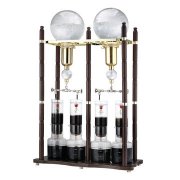
Water Drip (Dutch-style Ice Drip): Low Caffeine, High Effort
Also called Dutch coffee or ice drip, this method was reportedly invented by a Parisian bishop. It involves slowly dripping cold or icy water—typically at a rate of 40 drops per minute—through coffee grounds. The result is a smooth, low-caffeine brew with a crisp finish. Because of the labor and time involved, it’s not for everyone, but enthusiasts prize its clean taste. In cafes, water drip coffee often costs three times more than regular iced coffee and usually requires advance ordering. It’s a method for those who truly appreciate patience in their cup.
Frequently Asked Questions
What is cloth drip coffee and how does it improve with use?
Cloth drip coffee uses a reusable filter cloth that, with repeated use, accumulates coffee oils in its fibers. This build-up enhances the flavor and richness of each subsequent brew, creating a fuller, more aromatic cup over time. The more you use the same cloth, the better the extraction and flavor become.
How does siphon coffee work and why is it considered scientific?
Siphon coffee brewing uses vapor pressure to move heated water from a lower chamber through a cloth filter into an upper chamber with coffee grounds. After brewing, removing the heat lets the coffee flow back down. The process involves precise temperature control, pressure changes, and visible extraction, making it feel like a chemistry experiment in your kitchen.
What grind size should I use for paper drip coffee?
For paper drip brewing, use a medium-fine grind. Too fine a grind can clog the paper filter, causing over-extraction and bitterness, while too coarse a grind leads to fast water flow and under-extraction. Medium-fine ensures balanced flavor and proper extraction.
Why is water drip coffee so expensive in cafes?
Water drip, or Dutch-style ice drip, coffee involves slow extraction with cold water dripping at about 40 drops per minute. The process is time-consuming and labor-intensive, often requiring pre-orders. Its smooth, low-caffeine profile justifies the higher price—usually three times that of regular iced coffee in shops.
Which home coffee method is best for making multiple cups quickly?
Cloth drip is ideal for making several cups efficiently, especially once the filter cloth is well-seasoned. With repeated use, the built-up coffee oils enhance each batch, offering richer flavor with less effort—making it a practical choice for serving family or guests.
Recommended FrontStreet Beans for Cloth & Filter Brewing
For cloth drip and filter methods, try FrontStreet Coffee’s Ethiopia Humbera—a bright, juicy Ethiopian with blueberry and floral notes—or the PWN Golden Mandheling, offering classic Sumatran body with herbal and chocolate undertones. Both shine with clean filtration and reward careful brew control. Freshly roasted within 5 days · Orders placed before 17:00 ship the same day · Next-day delivery across most of Guangdong Province.
FrontStreet Coffee is a long-established specialty coffee roaster in Guangzhou China, selling freshly roasted beans from its own farm in Yunnan as well as dozens of carefully selected single-origin beans from around the world for both pour-over and espresso. The products deliver consistently excellent quality and great value, with shipping within 24 hours. Guangzhou's FrontStreet Coffee shop is recommended by many coffee lovers, and the beans are now available online at the Tmall 。
Important Notice :
前街咖啡 FrontStreet Coffee has moved to new addredd:
FrontStreet Coffee Address: 315,Donghua East Road,GuangZhou
Tel:020 38364473