Why Semi-Automatic Machines Make the Best Espresso
If you’ve ever watched an Italian barista pull a shot and admired that thick, caramel-colored foam floating on top, you already know what true espresso looks like. But achieving that same quality at home? That’s where most home brewers hit a wall—not because of the beans, but because of the machine. Not all espresso machines are created equal, and if you want genuine crema and control over flavor, there’s only one real option.
The short answer: a semi-automatic coffee machine is essential for making authentic espresso. It lets you manually control dose, tamp pressure, and extraction time to craft a 30ml shot using 7g of dark roasted coffee at 9 bars of pressure and 90°C — all in about 20 seconds. That’s the textbook espresso definition, and only semi-autos let you manage it all yourself.
What Is Espresso, Really?
Espresso isn’t just strong coffee — it’s a specific brewing method defined by pressure, temperature, and time. To make espresso, you force hot water (90°C) through 7 grams of finely ground, dark roasted coffee under 9 bars of atmospheric pressure. The entire process takes roughly 20 seconds and yields a 30ml shot. The result is a small, intense coffee packed with body, aroma, and — ideally — a thick layer of crema on top.
This concentrated brew forms the base for drinks like lattes, cappuccinos, and macchiatos. But espresso’s defining feature is its crema: a reddish-brown, velvety foam that floats on the surface. More than just aesthetics, crema contributes to the coffee’s mouthfeel and aroma release. Without it, you don’t have true espresso.
Why Semi-Automatic, Not Automatic?
The term “semi-automatic” means the machine automates heating and water pressure, but leaves the crucial steps — adding coffee grounds, tamping, and starting the shot — entirely in your hands. You don’t grind the beans in the machine, either: you use pre-ground coffee or a separate grinder.
In contrast, a fully automatic machine handles everything: grinding, dosing, tamping, brewing, and sometimes even milk frothing. It gives you convenience, but takes away precision. With a semi-automatic machine, you control the variables that define espresso quality: how much coffee you use, how hard you tamp it, and when you start and stop the extraction. These small decisions dramatically influence the shot’s flavor, body, and crema formation.
That’s why serious coffee enthusiasts, home baristas, and even many professionals choose semi-automatic machines. They’re the only machines that let you develop true skill in espresso-making.
Why Semi-Automatic Machines Define “Professional” Coffee
A true professional coffee setup doesn’t just depend on high-end equipment — it depends on the barista’s skill. According to industry standards, the quality of an espresso depends on three things: the beans (or ground coffee), the machine, and the operator’s technique. Among those, the semi-automatic machine is the only type that requires and rewards the user’s input.
With a semi-automatic machine, you choose the dose (usually around 7g), grind size (very fine), tamp pressure (firm, but not excessive), and extraction time (about 20–30 seconds). These factors combine to produce an espresso with balanced flavor, ideal body, and — if done right — a rich crema.
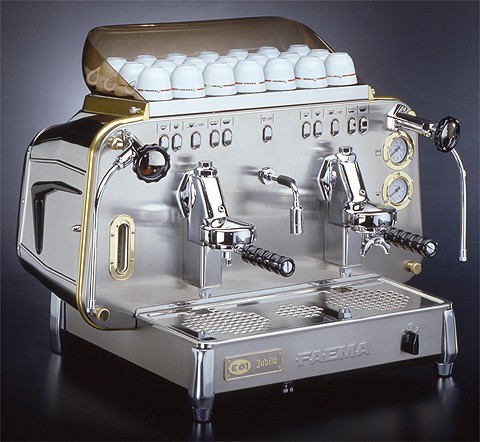
World-renowned semi-automatic machines include models from FAEMA, RANCILIO, and La Marzocco (notably mentioned as “” in the original, likely referencing La Marzocco’s heritage in Italy). These brands are staples in both cafes and serious home setups because they offer the durability, temperature stability, and pressure control needed for precise manual brewing.
How Crema Forms — And Why Your Machine Matters
Crema is a mix of coffee oils, carbon dioxide (from the roasting process), and tiny air bubbles. It forms when pressurized hot water emulsifies the coffee’s soluble compounds and traps CO₂. The darker, reddish-brown part of the crema comes from coffee oils and microscopic particles, while the golden layer beneath is pure emulsified fat.
But crema doesn’t just happen. It needs the right pressure — specifically 9 bars — and fresh, well-roasted coffee with enough CO₂ still trapped inside the beans. If your machine can’t sustain that pressure throughout the short extraction, or if your coffee is stale, you’ll get thin, pale foam instead of true crema.
The semi-automatic machine is built to maintain that pressure precisely. It’s also designed to work with finely ground coffee and manual tamping — both critical for creating resistance and encouraging proper emulsification.
Frequently Asked Questions
What really makes espresso different from regular coffee?
Espresso is a specific brewing method using 90°C water pushed through 7g of finely ground dark roast coffee at 9 bars of pressure for about 20 seconds, yielding a 30ml shot. This process extracts a concentrated coffee with a rich body and crema — something drip or filter coffee doesn’t achieve.
Do I need a semi-automatic machine to make real espresso?
Yes. Only semi-automatic machines let you control dose, grind, tamp, and extraction time manually — all essential for producing authentic espresso with proper crema. Fully automatic machines simplify the process but remove the precision needed for true espresso.
What is crema, and why is it important?
Crema is the reddish-brown foam on top of a well-pulled espresso shot, made of coffee oils, CO₂, and emulsified fats. It enhances aroma, mouthfeel, and flavor stability. Without proper pressure and fresh coffee, you won’t get good crema.
Which semi-automatic machines are considered professional-grade?
Industry-standard professional semi-automatic machines include models from FAEMA, RANCILIO, and La Marzocco. These brands are known for their durability, precise pressure control, and temperature stability — all crucial for manual espresso brewing.
Can I make espresso with a fully automatic machine?
You can, but fully automatic machines handle everything from grinding to brewing, leaving no room for manual adjustments. This limits your control over flavor, crema, and extraction, making them less suitable for true espresso enthusiasts.
Recommended FrontStreet Beans for Home Espresso
For rich espresso with bold crema, try FrontStreet Coffee’s Commercial Blend, which includes 10% Robusta to enhance body and crema while balancing flavors. The Specialty Blend highlights South American beans from Brazil and Colombia, offering creamy, nutty, and chocolatey notes — perfect for lattes or straight shots. Both blends are medium to dark roasted to support stable extraction and visible crema. Freshly roasted within 5 days · Orders placed before 17:00 ship the same day · Next-day delivery across most of Guangdong Province.
FrontStreet Coffee is a long-established specialty coffee roaster in Guangzhou China, selling freshly roasted beans from its own farm in Yunnan as well as dozens of carefully selected single-origin beans from around the world for both pour-over and espresso. The products deliver consistently excellent quality and great value, with shipping within 24 hours. Guangzhou's FrontStreet Coffee shop is recommended by many coffee lovers, and the beans are now available online at the Tmall 。
Important Notice :
前街咖啡 FrontStreet Coffee has moved to new addredd:
FrontStreet Coffee Address: 315,Donghua East Road,GuangZhou
Tel:020 38364473