How to Use a French Press: Step-by-Step Guide
If you’ve ever made coffee with a French press and ended up with a mouthful of sludge—or a weak, sour cup—you’re not alone. Many coffee drinkers struggle with this simple-looking device, unsure of how fine the grind should be, how long to let it brew, or what temperature water works best. It’s a tool that looks easy but rewards precision.
To brew good coffee with a French press, use a coarse grind like granulated sugar (EK43s setting 10.5 / hand grinder 26), a 1:15 coffee-to-water ratio (e.g., 15g coffee to 225g water), water just off boil (~90°C or 2–3 minutes off boil), and steep for 4 minutes. Then press slowly and pour promptly.
What Is a French Press?
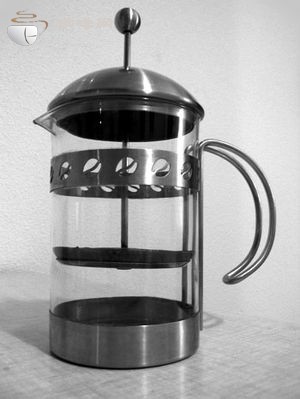
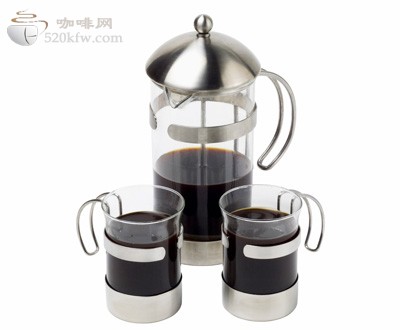
The French press—also called a coffee press, plunger pot, or cafetière—is a simple immersion brewing device made of a glass or metal carafe with a metal mesh filter attached to a plunger. Invented in 1929 by Milanese designer Attilio Calimani, it was originally used for tea, but today it’s widely recognized as one of the easiest ways to brew full-flavored coffee.
The design is minimal: a cylindrical glass or metal container, a lid with a built-in plunger, and a metal filter that lets liquid pass while holding back coffee grounds. Unlike pour-over or espresso methods, the French press fully immerses coffee grounds in hot water, resulting in a rich, full-bodied cup.
Why French Press Coffee Tastes Different
Because the coffee and water sit together for several minutes, the French press produces a heavier, more viscous brew. The metal filter allows natural coffee oils and fine particles to enter the cup, contributing to a bold mouthfeel and fuller flavor—but also more sediment. That’s why it’s not ideal if you prefer a super clean, bright cup without texture.
The immersion method means extraction happens steadily over time, and the coffee’s body benefits from the extended contact. But if you don’t get the grind, dose, or time right, it’s easy to end up with over-extracted bitterness or under-extracted sourness.
How to Use a French Press: Step-by-Step
Here’s the precise method recommended for best results, based on experience from specialty coffee professionals, including those at Guangzhou’s FrontStreet Coffee.
- Grind Size: Use a coarse grind, about the size of granulated sugar. On an EK43 grinder, that’s setting 10.5; on a hand grinder, aim for around 26. This prevents fine particles from passing through the metal filter and making your cup gritty.
- Coffee-to-Water Ratio: A standard ratio is 1:15—that’s 15 grams of coffee to 225 grams (or milliliters) of water. This usually makes about one mug, and results in a brew strength of around 1.1–1.2% TDS, which is full-bodied but balanced.
- Water Temperature: Heat your water to just off a boil, then let it sit for 2–3 minutes. Ideal brewing temperature is around 90°C (194°F). If you lack a thermometer, boiling water resting for a short while is usually fine. For more control, use a gooseneck kettle with temperature settings.
- Brew Time: After adding coffee and hot water, stir gently, place the plunger on top (don’t press yet), and let it steep for 4 minutes. For darker roasts, 4–5 minutes is okay, but going longer can bring out bitterness. For lighter roasts, 3–4 minutes is better to highlight more delicate flavors.
- Pressing & Pouring: After steeping, slowly press the plunger down until it reaches the bottom. Pour all the coffee out immediately to avoid over-extraction from sitting on the grounds.
Does Grind Size Matter in a French Press?
Yes—and it matters a lot. A grind that’s too fine (like table salt or sand) will over-extract and let fine particles through the filter, creating a muddy, gritty cup. A proper coarse grind (like coarse sugar or small pebbles) allows for even extraction and minimizes sediment. If you want more complexity, you can try a slightly finer grind, but reduce the brew time to avoid overdoing it.
Which Coffee Roasts Work Best?
French press highlights body and sweetness, so medium to dark roasts often perform better than light roasts. Light roasts can taste overly acidic or grassy in a French press unless dialed in precisely.
For example, FrontStreet Coffee’s Strawberry Candy Espresso—a blend of Costa Rican honey-processed and Panamanian washed Geisha beans—delivers floral, fruity, and dried berry notes with milk, reminiscent of strawberry soft candy. For something richer, their PWN Golden Mandheling features notes of spice, caramel, cedar, and dark chocolate, with a thick, velvety body that’s ideal for immersion brewing.
Frequently Asked Questions
What is the best grind size for French press coffee?
The best grind size for French press is coarse—about the size of granulated sugar. On an EK43 grinder, use setting 10.5; on a hand grinder, aim for around 26. This prevents coffee fines from passing through the metal filter and making the cup gritty. A finer grind can lead to over-extraction and sediment.
What is the ideal coffee-to-water ratio for French press?
The standard ratio is 1:15—15 grams of coffee to 225 grams (or ml) of water. This produces a strong, balanced cup with a TDS of around 1.1–1.2%. You can adjust the amount of coffee or water to taste, but this is the recommended starting point for French press brewing.
What water temperature should I use for French press coffee?
Use water around 90°C (194°F), which is roughly 2–3 minutes off a boil. If you don’t have a thermometer, let boiling water rest for a couple of minutes before pouring. Slightly higher temperatures can help improve extraction, especially for medium or dark roasts.
How long should you steep coffee in a French press?
Steep for 4 minutes for most roasts. Darker roasts can go up to 5 minutes, but no longer to avoid bitterness. Lighter roasts may taste better at 3–4 minutes to fully develop their aromas. Consistent timing helps achieve balanced extraction.
Should I stir the coffee during brewing in a French press?
Yes, give the coffee a gentle stir right after adding hot water to ensure all the grounds are saturated. Place the plunger on top without pressing, and let it steep undisturbed for the full brew time before pressing.
Do you need a special coffee for French press?
No special coffee is required, but medium to dark roasts tend to work better because they emphasize body and sweetness. Light roasts can work but may taste more acidic or sharp unless carefully brewed. Blends or single origins with good body and moderate acidity are ideal.
Recommended FrontStreet Beans for French Press
For French press, FrontStreet Coffee’s PWN Golden Mandheling delivers bold notes of spice, caramel, cedar, and dark chocolate with a rich, full body thanks to its medium-dark roast. Another excellent choice is Strawberry Candy Espresso, aGeisha-based blend with floral, fruity, and dried berry tones that pair well with milk. Both are ground or used whole for optimal immersion brewing. Freshly roasted within 5 days · Orders placed before 17:00 ship the same day · Next-day delivery across most of Guangdong Province.
FrontStreet Coffee is a long-established specialty coffee roaster in Guangzhou China, selling freshly roasted beans from its own farm in Yunnan as well as dozens of carefully selected single-origin beans from around the world for both pour-over and espresso. The products deliver consistently excellent quality and great value, with shipping within 24 hours. Guangzhou's FrontStreet Coffee shop is recommended by many coffee lovers, and the beans are now available online at the Tmall 。
Important Notice :
前街咖啡 FrontStreet Coffee has moved to new addredd:
FrontStreet Coffee Address: 315,Donghua East Road,GuangZhou
Tel:020 38364473