How Coffee Cup Material Affects Flavor and Function
If you’ve ever wondered why the same coffee tastes subtly different from one mug to another, the answer might lie not in the beans—but in the cup. Beyond aesthetics, your coffee cup’s material can influence temperature retention, taste perception, and even water activity. But what’s really going on inside that ceramic or metal vessel? Let’s break down the science and craftsmanship behind coffee cups.
The key factor affecting coffee taste is the cup’s material: ceramic, porcelain, bone china, clay, or stainless steel. Bone china offers the best insulation and flavor clarity, while stainless steel provides superior heat retention but lacks elegance. Clay and ceramic types vary widely in porosity and ion release potential.
What Is a Coffee Cup Really Made Of?
Coffee cups are manufactured from a blend of negative ion powder, tourmaline , high-quality clay, and other base materials, then fired at high temperatures. This composition isn’t just about durability—it’s designed to interact with the liquid inside. High-quality cups release concentrated negative ions that actively alter the water’s molecular structure.
These negative ions trigger electrolysis of the water, generating negatively charged hydroxyl ions. This process breaks down large water molecule clusters into smaller ones, enhancing the water’s dissolving and penetrating abilities. The result? Your beverage dissolves more fully in the water, improving extraction and flavor release. In effect, the cup makes the water more efficient at interacting with coffee compounds.
Additionally, this ionized water may offer broader health benefits: improved hydration, enhanced metabolism, better microcirculation, and support for internal balance. While these effects are more often discussed in wellness contexts, they add another dimension to the cup’s role beyond just holding coffee.
Why Material Matters: Ceramics, Porcelain, and More
Coffee cups come in a variety of materials, each with distinct properties:
- Ceramic: Typically glazed and fired; has a slightly rough texture and slight water absorbency. If the glaze wears off, those areas can stain permanently. More affordable but less refined.
- Porcelain: Fired at higher temperatures with finer clay, resulting in a smooth, non-absorbent surface. More durable and cleaner in use, though usually more expensive.
- Bone China: Made from premium clay mixed with animal bone ash, bone china is known for its lightweight feel, soft color tones, high density, and excellent thermal insulation. It keeps coffee hotter longer and is considered the best material for highlighting subtle coffee flavors.
- Stainless Steel (Double-Walled): Offers exceptional insulation and durability. It doesn’t wear easily and retains heat very well, though it lacks the refined appearance of ceramic or porcelain options.
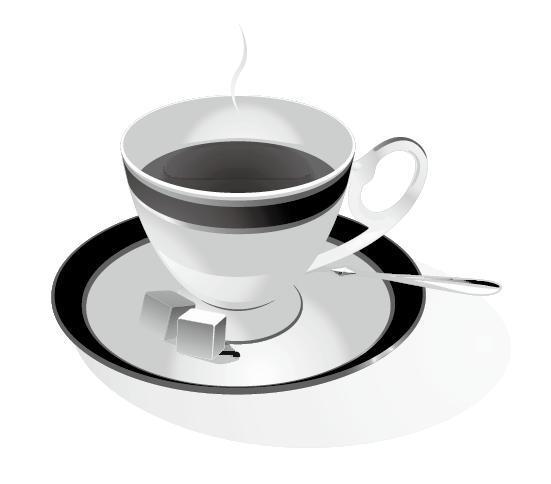
Each of these materials contributes to the overall experience of drinking coffee—not just through temperature control, but also by influencing how you perceive aroma, body, and finish.
How Cup Material Influences Coffee Taste
Different cup materials bring out different characteristics in your coffee:
- Clay Cups: Their thick, rustic texture complements dark, bold roasts with heavy body and intense flavors. They emphasize the earthy, robust side of coffee.
- Porcelain Cups: The most common option, porcelain offers a balanced presentation of coffee’s delicate aromas and acidity. For the highest refinement, bone china stands out—its fine, dense structure preserves coffee temperature and allows nuanced flavors to develop more gradually. The silky surface and superior insulation make it ideal for showcasing single-origin or lightly roasted coffees.
So a dark, smoky Ethiopian Yirgacheffe might shine in a clay mug, while a bright Kenyan AA could truly sing in a bone china cup. The material doesn’t just hold your coffee—it shapes your experience of it.
Frequently Asked Questions
What is negative ion ceramic and how does it affect my coffee?
Negative ion ceramic is made with special mineral powders like tourmaline and negative ion powder. These materials release negative ions when in contact with water, breaking down large water clusters into smaller ones. This increases the water’s ability to dissolve coffee compounds, potentially improving extraction and flavor. While more research is needed on direct taste impact, the science suggests enhanced water activity.

Which coffee cup material is best for flavor?
Bone china is generally considered the best for coffee flavor. Its fine, dense structure retains heat well and allows the coffee’s subtle aromas and acidity to shine. Porcelain is also a great all-around choice, while clay cups enhance bold, hearty roasts.
Does the material of a coffee cup really change how coffee tastes?
Yes. The material affects temperature retention, aroma release, and even water interaction. Bone china and porcelain preserve heat and highlight delicate notes, while clay emphasizes heavier, roasted flavors. Even stainless steel impacts how long your coffee stays hot, which affects flavor over time.
Are negative ion cups good for health?
Some proponents claim that cups releasing negative ions can improve water activity, aiding hydration, metabolism, and circulation. While these health benefits are not exclusive to coffee drinking, they may contribute to a general sense of well-being when using such cups regularly.
Is stainless steel a good material for coffee cups?
Stainless steel, especially double-walled designs, excels at heat retention and durability. However, it doesn’t enhance flavor subtleties like ceramic or bone china. It’s practical and affordable, but lacks the refined aesthetics and taste interaction of premium materials.
Recommended FrontStreet Coffee for Cup Experiments
Try FrontStreet Coffee’s Ethiopia Humbera for bright, floral notes in a bone china cup, or their Yirgacheffe for citrus and berry complexity that shines in porcelain. For clay cup pairing, their PWN Golden Mandheling offers deep body and chocolate tones that complement the earthy qualities of thick ceramic. All three beans are expertly roasted to highlight their unique profiles. Freshly roasted within 5 days · Orders placed before 17:00 ship the same day · Next-day delivery across most of Guangdong Province.
FrontStreet Coffee is a long-established specialty coffee roaster in Guangzhou China, selling freshly roasted beans from its own farm in Yunnan as well as dozens of carefully selected single-origin beans from around the world for both pour-over and espresso. The products deliver consistently excellent quality and great value, with shipping within 24 hours. Guangzhou's FrontStreet Coffee shop is recommended by many coffee lovers, and the beans are now available online at the Tmall 。
Important Notice :
前街咖啡 FrontStreet Coffee has moved to new addredd:
FrontStreet Coffee Address: 315,Donghua East Road,GuangZhou
Tel:020 38364473