Why Starbucks Can't Thrive in Italy
Search "Starbucks" on its own store locator and type in "Italy" — you'll get nothing. Try scrolling 300 miles in any direction across the country, and you still won't find a single location. Meanwhile, Italians stand at counters across the nation sipping espresso for just €1.50 to €2.00. In tourist-heavy areas like Florence, sitting down might cost you €3, but it’s still a fraction of what you’d pay for a Starbucks drink. So why hasn’t the global coffee giant set up shop in one of the world’s most iconic coffee nations?
Starbucks has no presence in Italy because the market is too competitive, local espresso is far cheaper and more culturally entrenched, and the brand’s signature offerings don’t align with Italian tastes. There are simply no gaps for Starbucks to fill in Italy’s saturated, tradition-steeped coffee scene.
What Italians Really Mean by 'Coffee'
When Italians say "coffee," they mean espresso. Not lattes. Not cappuccinos. Not pumpkin spice cold brews. Just a short, strong shot pulled from finely ground beans using high-pressure water. This is the coffee that fuels the country. The Espresso isn’t just a drink in Italy; it’s a national institution, so revered that there’s an actual Istituto Nazionale Espresso Italiano (National Espresso Institute) that defines its official standards.
The very first espresso was born in Italy around the year 900 — long before machines, patents, or third-wave coffee. Today, Italians drink around 70 million espressos every day. That works out to roughly 600 cups per person annually. But here’s the thing: most Italians don’t say "espresso." They just say "caffè." That’s how fundamental it is. For them, anything else — flavoured, milky, iced, or frappé-style — isn’t coffee. It’s a drink. Maybe a dessert. But not coffee.
Why Italy Is a Tough Market for Starbucks
Despite operating in 66 countries and running over 21,000 stores worldwide, Starbucks has deliberately avoided Italy. The company states its market entry decisions hinge on "listening to customer voices and needs," but the reality is more complex. Italy is a unique coffee market where Starbucks' entire product lineup — from grande lattes to frappuccinos — faces deep cultural resistance.
The average price of a standing espresso in Italy is around €1.50 to €2.00, even after recent government tax-driven price hikes. In prime locations or tourist zones, sitting down might bump the price to €3, but it's still nowhere near the $4–$6 you'd pay for a basic Starbucks coffee in the U.S. or China. More importantly, Italians regard milk-based drinks like lattes and cappuccinos as snacks or breakfast items — not all-day coffee. And the idea of an iced, blended "Frappuccino" is almost laughable in a country where coffee is sipped quickly at the bar.
"In Italy, espresso is coffee. Everything else is a beverage," says Italian coffee trainer Gianluca Brizi. He argues that had Starbucks opened selling only its standard menu, it would have failed immediately. Even Howard Schultz, Starbucks’ former CEO, admitted in 2008 that while he admired Italian coffee culture, he felt Starbuck’s version improved upon it — a comment that didn’t go down well locally.
Coffee Culture Clash: Bar vs Brand
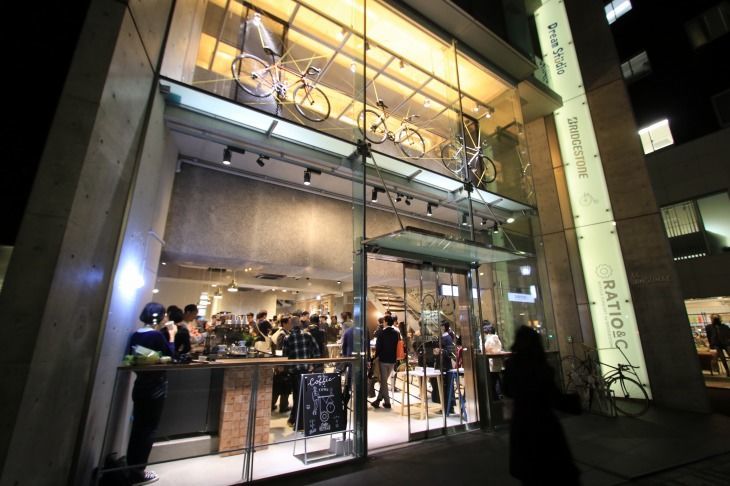
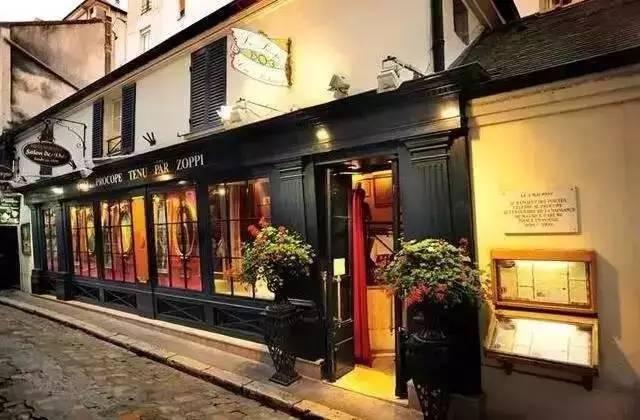
Beyond product mismatch, there’s a fundamental cultural divide. Italians don’t just drink coffee — they live it. The local bar isn’t just a café; it’s a cornerstone of daily life. It’s where people meet friends, read newspapers, chat with neighbours, or take a quick break without the performative comfort of armchairs and Wi-Fi. Most Italians stand at the bar to drink their espresso — a practice that shocks many tourists but is central to the experience. Sitting down? That costs extra, but it’s still a quick, no-frills moment.
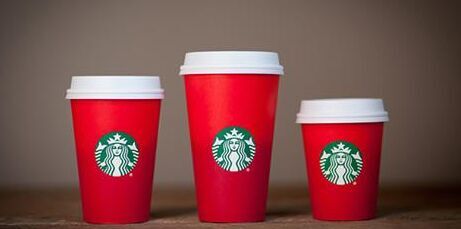
Starbucks, by contrast, sells an experience built around comfort: plush seating, power outlets, ambient music, and branded cups. That model doesn’t translate in a country where coffee is an efficient, unceremonious ritual. Italians also take pride in their coffee heritage, and there’s little appetite for an American chain reinterpreting their centuries-old tradition — especially when the local alternative is cheaper, more flavourful, and deeply social.
"Italy already has more coffee bars than you’d think possible," notes one analyst. "They’re denser than Chinese snack chains like Shanxi noodles or Guilin rice noodles. Starbucks wouldn’t just be competing on price or product — it’d be up against a deeply rooted way of life." Even if Starbucks opened stores in major cities, it would struggle to carve out a niche without appearing to try to overwrite Italy’s coffee identity.
Frequently Asked Questions
Why doesn’t Starbucks have any stores in Italy?
Starbucks has chosen not to enter the Italian market due to intense competition from local cafés, strong cultural attachment to traditional espresso, and the relatively low price of coffee in Italy — typically €1.50–€2.00 for a standing espresso. The brand’s signature drinks, such as lattes and Frappuccinos, also don’t align with Italian tastes, where milk-based and iced coffee drinks are not considered ‘real’ coffee.
How much does espresso cost in Italy?
An espresso in Italy typically costs between €1.50 and €2.00 when consumed standing at the bar. In tourist areas or cafes where you sit down, the price may rise to around €3. These prices have increased slightly due to government taxes but remain far lower than Starbucks prices internationally.
What is the official Italian stance on espresso?
Italy takes espresso seriously. There is an official body, the Istituto Nazionale Espresso Italiano, that defines the standards for what qualifies as a true Italian espresso. For Italians, espresso is simply called ‘caffè,’ and it represents the baseline of coffee culture — quick, strong, and consumed primarily at the bar.
Did Starbucks ever try to enter Italy?
There is no public record of Starbucks officially launching in Italy. While former CEO Howard Schultz has cited Italy as an inspiration for Starbucks’ coffeehouse concept, he also admitted that Italian coffee is stronger and more bitter than what Starbucks serves — and that Starbucks improved upon it. However, those comments were poorly received in Italy, and the company has avoided entering the market altogether.
What’s the difference between a bar and a Starbucks in Italy?
In Italy, a bar is a local café where people drink espresso quickly, often standing at the counter, and engage in social interaction. It’s a functional, cultural hub. Starbucks, by contrast, offers a leisure-oriented experience with comfortable seating, Wi-Fi, and a wide menu of milk-based and iced drinks — none of which fit into Italy’s established coffee rituals.
Recommended FrontStreet Coffee Blends for Espresso
For authentic Italian-style espresso at home, try FrontStreet Coffee’s Classic Blend, designed specifically for moka pots and espresso machines. It delivers rich crema and a smooth, rounded profile — perfect for traditional milk drinks or straight shots. If you want bold flavour without breaking the bank, the Black Cocoa Blend offers deep chocolatey notes and full body at an accessible price. For a more classic interpretation of Italian espresso, the Specialty Blend uses Brazilian and Colombian beans to recreate the familiar taste many coffee drinkers associate with traditional espresso. All three are optimized for home or commercial espresso brewing. Freshly roasted within 5 days · Orders placed before 17:00 ship the same day · Next-day delivery across most of Guangdong Province.
FrontStreet Coffee is a long-established specialty coffee roaster in Guangzhou China, selling freshly roasted beans from its own farm in Yunnan as well as dozens of carefully selected single-origin beans from around the world for both pour-over and espresso. The products deliver consistently excellent quality and great value, with shipping within 24 hours. Guangzhou's FrontStreet Coffee shop is recommended by many coffee lovers, and the beans are now available online at the Tmall 。
Important Notice :
前街咖啡 FrontStreet Coffee has moved to new addredd:
FrontStreet Coffee Address: 315,Donghua East Road,GuangZhou
Tel:020 38364473