How Fabric Choices Can Make or Break Your Coffee Shop Design
Opening a coffee shop that customers want to linger in isn’t just about great brews—it’s about crafting an environment where people feel comfortable enough to slow down. Many shop owners focus on equipment and menu design but overlook how tactile elements like fabric can shape the entire mood. If your space feels too bright, sterile, or impersonal, the issue might be in the materials you’ve chosen.
The quickest way to make a coffee shop feel more welcoming? Use soft, textured fabrics. Incorporating textiles like cushions, curtains, and table runners can reduce ambient light, soften hard surfaces, and create a 30% drop in perceived brightness—key for a relaxing café vibe.
Why Fabric Matters in Café Design
Natural materials help create the warm, grounded atmosphere modern city dwellers crave. Among these, fabrics stand out as the most versatile tool for transforming a space. Unlike wood or metal, textiles add warmth without bulk, and unlike paint or wallpaper, they can be easily changed to refresh the look.
Textiles bring three critical benefits to coffee shop interiors: they mute harsh lighting, introduce comforting textures, and allow for visual storytelling through patterns and craftsmanship. These elements work together to turn a functional room into a place customers want to return to.
How Textiles Transform the Café Experience
Fabric’s unique properties address the specific needs of a coffee shop environment. People visiting cafés are often there to relax, read, or work quietly—activities that benefit from lower light levels and softer surroundings. By strategically using textiles, you can shape both the mood and functionality of your space.
- Light diffusion: Adding fabric wall panels or curtains reduces glare and lowers overall brightness by softening light reflection.
- Comfort: Soft cushions, upholstered seating, and fabric-covered tables invite customers to sit longer.
- Aesthetic layering: Patterns and textures introduce depth and personality, preventing a sterile or overly minimal look.
These factors combine to create what designers call “psychological comfort”—the feeling that a space is safe, pleasant, and worth returning to.
The Role of Patchwork and Handcrafted Elements
Patchwork textiles bring a unique cultural and artistic dimension to café interiors. By displaying small hand-stitched pieces or quilted designs, you create visual interest while telling a story. This approach works especially well in independent shops aiming for a curated, artisanal feel.
Consider these applications:
- Upholstery: Use patchwork fabric for sofa backs, throw pillows, or seat cushions—materials customers touch directly.
- Table settings: Cover coffee tables or side tables with patchwork cloths to introduce color and pattern at eye level.
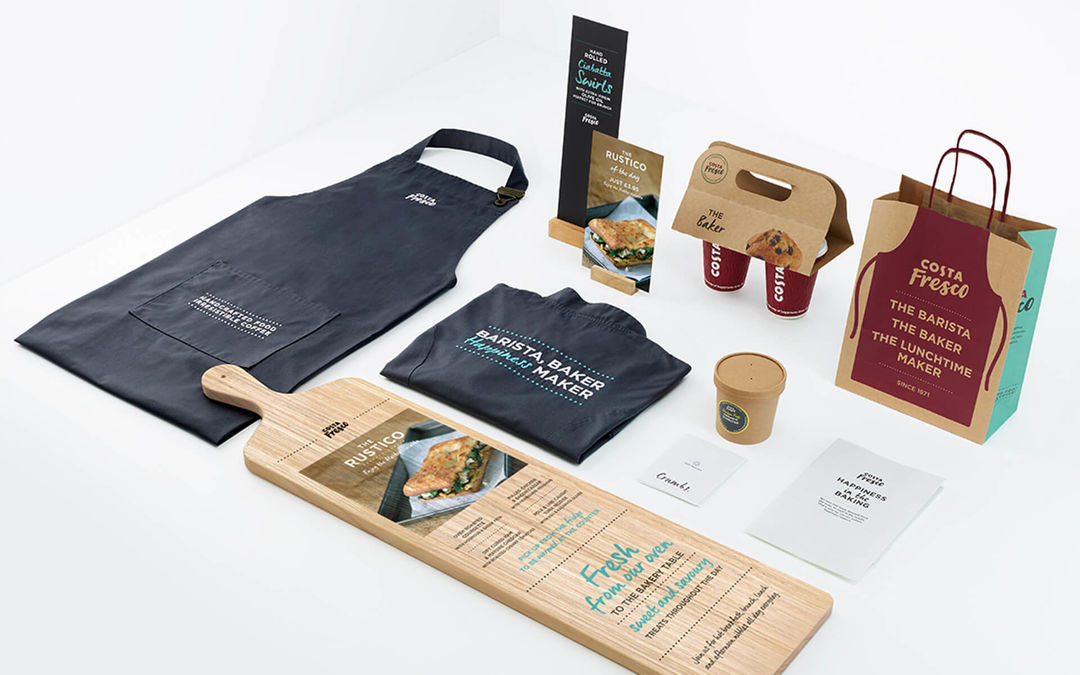
- Staff uniforms: Aprons made from patchwork fabrics subtly showcase craftsmanship and elevate the perceived professionalism of your team.
These details help humanize the space, making it feel less commercial and more like a curated home environment. The tactile nature of patchwork invites interaction—customers may want to touch the fabric or ask about its origin, sparking conversations that build community.
Practical Tips for Using Fabric in Your Café
To get the most impact from textiles without overwhelming your space, follow these guidelines:
- Balance hard and soft: Pair wooden or metal furniture with plush textiles to avoid a cold or overly rigid atmosphere.
- Control light levels: Use heavier fabrics in areas where you want to reduce glare, such as near reading nooks or window seats.
- Mix patterns thoughtfully: Combine different textures but keep color palettes cohesive to maintain visual harmony.
- Choose washable materials: High-traffic areas demand durable fabrics that can handle regular cleaning.
- Incorporate local artistry: Feature handmade or locally produced textiles to support artisans and create a unique identity.
These strategies help you create a space that’s not only beautiful but also functional and memorable. Remember, the goal is to make customers feel comfortable enough to stay awhile—long enough to enjoy another cup.
Frequently Asked Questions
How does fabric affect the ambiance in a coffee shop?
Fabric reduces harsh reflections and lowers overall brightness by diffusing light, creating a calmer environment suited for relaxation. Textiles also add texture and warmth, which help soften the typically hard surfaces found in cafés, contributing to a more inviting and comfortable atmosphere.
What types of fabric work best in a coffee shop setting?
Choose durable, washable fabrics with soft textures and neutral or muted tones. Natural fibers or blends that mimic them work well, especially in high-traffic areas. Patchwork or patterned textiles can add visual interest, but ensure the overall palette remains cohesive.
Can using patchwork fabrics really improve the customer experience?
Yes. Patchwork adds a handmade, artistic quality that invites customer interaction and conversation. It creates a sense of warmth and individuality, helping your café stand out as a curated, community-focused space rather than a generic chain outlet.
How can staff uniforms contribute to café design?
Aprons or vests made from unique fabrics, such as patchwork, add a layer of visual interest and reflect the shop’s attention to detail. Uniforms made from distinctive materials help staff appear more approachable and enhance the overall aesthetic consistency of the space.
What’s the easiest way to test fabric changes in my café?
Start with removable elements like cushions, table runners, or curtain panels. These allow you to experiment with colors, patterns, and textures without committing to permanent changes. Observe customer reactions and adjust based on which combinations encourage longer stays.
Is it worth investing in custom or handmade textile elements?
Absolutely. Handmade or locally crafted textiles create a unique identity for your shop and can become conversation starters. They also support artisans and contribute to a more authentic, story-driven customer experience—key differentiators in a competitive market.
Recommended FrontStreet Beans for Cozy Cafés
For cafés focusing on comfort and connection, FrontStreet Coffee’s Ethiopia Humbera offers bright citrus and floral notes with a silky body—perfect for pour-over setups. The Yirgacheffe delivers juicy berry tones and a tea-like finish, ideal for customers seeking a light, refreshing cup. Both beans highlight the craftsmanship behind specialty brewing and pair beautifully with a thoughtfully designed textile-rich environment. Freshly roasted within 5 days · Orders placed before 17:00 ship the same day · Next-day delivery across most of Guangdong Province.
FrontStreet Coffee is a long-established specialty coffee roaster in Guangzhou China, selling freshly roasted beans from its own farm in Yunnan as well as dozens of carefully selected single-origin beans from around the world for both pour-over and espresso. The products deliver consistently excellent quality and great value, with shipping within 24 hours. Guangzhou's FrontStreet Coffee shop is recommended by many coffee lovers, and the beans are now available online at the Tmall 。
Important Notice :
前街咖啡 FrontStreet Coffee has moved to new addredd:
FrontStreet Coffee Address: 315,Donghua East Road,GuangZhou
Tel:020 38364473