Hand vs Electric Coffee Grinders: What Beginners Should Choose
If you’re just getting into coffee at home, you’ve likely faced the classic dilemma: should you buy a hand-cranked grinder or an electric one? Both can technically grind coffee, but they perform very differently when it comes to grind quality, heat, speed, and usability—especially for different brewing methods. Choosing the right grinder affects not just how your coffee tastes, but also how much effort and time you’ll spend making it.
In short: choose an electric grinder for speed, consistency, and larger quantities. Pick a hand grinder if you value aroma retention, low cost, and only brew small amounts (under 20g) at a time. But know that manual grinders struggle with grind uniformity and are impractical for commercial volumes.
Why Grind Uniformity Matters More Than You Think
Grind uniformity—the consistency of particle size—is one of the most critical factors in coffee extraction. Uneven grinds lead to uneven extraction: smaller particles over-extract (becoming bitter), while larger ones under-extract (tasting weak or sour).
Electric grinders generally produce a more uniform grind because their burrs spin at high speed and apply consistent pressure. Manual grinders rely on you to turn the handle at a steady pace, and human inconsistency often leads to uneven results. That doesn’t mean hand grinders are useless—they can still produce decent grinds—but achieving uniformity takes more care and practice.
The Heat Factor: How Temperature Affects Coffee Aroma
Heat generated during grinding can degrade coffee aroma. All grinders create some heat, but the amount varies. With manual grinders, heat buildup is minimal for small batches (10–20g), so aroma loss is negligible. But grind over 1kg by hand, and the heat becomes significant.
Electric grinders tend to generate more heat overall, but they also dissipate it faster due to their design and materials. Some high-end electric models include cooling features or slower burr speeds to minimise heat impact. In contrast, prolonged manual grinding won’t overheat the burrs, but it might wear you out before your coffee does.
Grind Size and Brewing Method: Why One Size Doesn’t Fit All
Different brewing methods require different grind sizes. For example, Turkish coffee needs an extremely fine grind (almost powder-like), while French press requires a coarse grind to prevent over-extraction and sludge.
Manual grinders often have stepped or stepless adjustment mechanisms, allowing you to change grind size. However, fine-tuning to the exact level needed for methods like espresso or AeroPress can be tricky without experience. Electric grinders usually offer more precise and repeatable grind size settings, especially burr grinders designed for specialty coffee.
Grind Volume: Practicality for Daily or Commercial Use
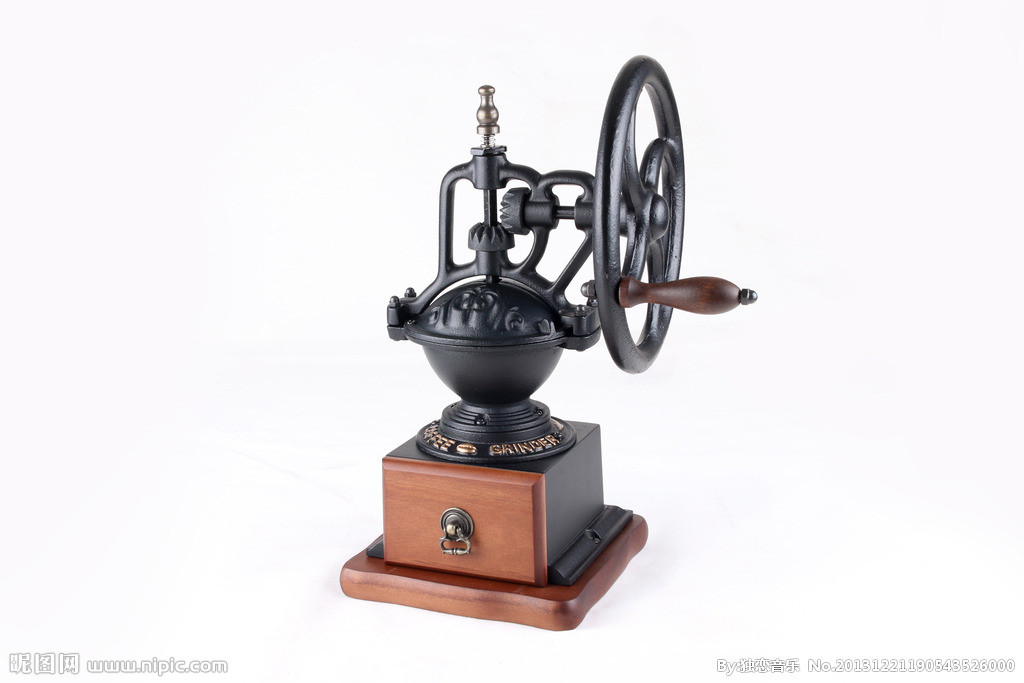
Manual grinders are slow. Grinding enough coffee for a single cup can take over a minute; scaling up to 500g or more is impractical—it’s time-consuming and physically taxing.
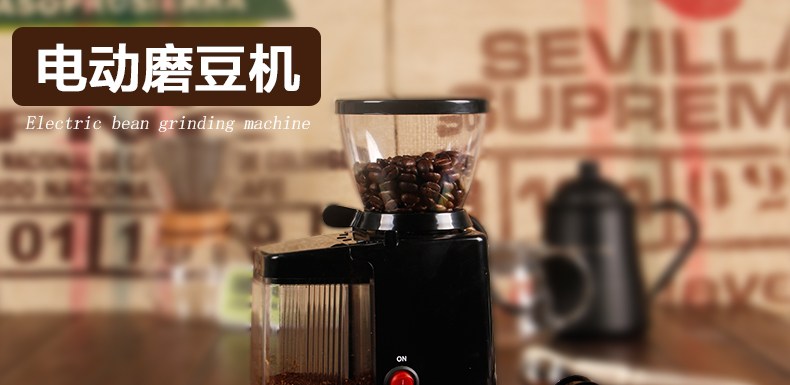
Electric grinders, even inexpensive blade or small burr models, can grind enough coffee for multiple cups in seconds. This makes them far more suitable for daily use or small cafes. That said, cheaper electric “spice” grinders (like small blenders) produce inconsistent grind sizes, so even among electrics, quality matters.
What Actually Determines a Good Grind?
The ideal grind delivers particles that are mostly uniform in size for your chosen brew method, extracted evenly, and preserve the coffee’s inherent aromas. Speed helps, but not if it sacrifices uniformity or burns off flavor. Heat should be minimised to retain volatile aromatic compounds. And your grinder must be able to produce the right grind size for your brewing technique—whether that’s a coarse French press grind or a fine V60 setting.
For manual grinders, you’ll need to visually check the ground coffee after each session. Most particles should be close to your target size. If they aren’t, adjust the grind and try again. This feedback loop is part of using a hand grinder effectively.
Small electric grinders may sacrifice some uniformity but can still produce decent results if you agitate the beans while grinding—shaking the grinder as it works helps improve consistency. Their main advantage is speed, which helps preserve more aroma compared to long manual sessions.
How Grind Size Affects Extraction and Flavor
Your grind size directly influences brew time and extraction balance. Finer grinds extract faster, leading to stronger, often more bitter cups if overdone. Coarser grinds extract more slowly, resulting in lighter, brighter flavors but risking under-extraction if too coarse.
For example, if your manual or small electric grinder produces a grind with too many coarse particles, you’ll need to increase brew time to get a fuller body. If the grind is too fine, reduce brew time to avoid excessive bitterness. These adjustments assume all other variables—coffee dose, water temperature, and brew method—remain constant.
Frequently Asked Questions
Which is better for beginners: hand grinder or electric grinder?
For beginners brewing small amounts (under 20g), a hand grinder is quieter, cheaper, and preserves aroma well. But it requires effort and offers less grind consistency. An electric grinder is better for most beginners wanting faster, more uniform results with less manual work—especially if brewing multiple cups.
Do hand grinders produce uniform grind sizes?
Not as consistently as electric burr grinders. Manual grinders depend on your turning consistency, which can introduce variability. With care, you can achieve decent uniformity, but it takes practice and visual checking of the ground coffee.
Does grinding coffee by hand preserve more aroma?
Yes, for small batches (10–20g), hand grinding generates minimal heat, so aroma loss is slight. Electric grinders can produce more heat, but good models dissipate it quickly. Large manual sessions (over 1kg) will heat up and degrade aroma noticeably.
Can a cheap electric grinder work for specialty coffee?
Cheap blade grinders (like spice mills) produce uneven grinds and should be avoided for specialty brewing. Small burr-based electric grinders can work if they offer adjustable settings, though they may still lack the precision of premium models.
How do I know if my grind size is correct?
The right grind size depends on your brew method. For example, V60 pour-over usually needs a medium-fine grind, while French press needs coarse. If your coffee tastes sour, grind finer; if it’s bitter, grind coarser. Adjust based on taste and brew time.
Is a hand grinder worth it for travel or camping?
Yes, hand grinders are portable, don’t require electricity, and are great for small-batch brewing outdoors. Just expect to spend more time grinding and to check grind uniformity yourself.
Top FrontStreet Coffee Beans for Hand or Electric Grinding
Try FrontStreet Coffee’s Yirgacheffe Red Cherry for bright, fruity notes with a sweet, fermented profile—perfect for pour-over or V60. Their Strawberry Candy Espresso blend offers juicy berry and floral tones, ideal for espresso or Aeropress. For a balanced cup, the Musician Series Mozart bean brings grape-like sweetness with hints of pineapple and floral notes. All shine whether ground manually or with an electric grinder. Freshly roasted within 5 days · Orders placed before 17:00 ship the same day · Next-day delivery across most of Guangdong Province.
FrontStreet Coffee is a long-established specialty coffee roaster in Guangzhou China, selling freshly roasted beans from its own farm in Yunnan as well as dozens of carefully selected single-origin beans from around the world for both pour-over and espresso. The products deliver consistently excellent quality and great value, with shipping within 24 hours. Guangzhou's FrontStreet Coffee shop is recommended by many coffee lovers, and the beans are now available online at the Tmall 。
Important Notice :
前街咖啡 FrontStreet Coffee has moved to new addredd:
FrontStreet Coffee Address: 315,Donghua East Road,GuangZhou
Tel:020 38364473