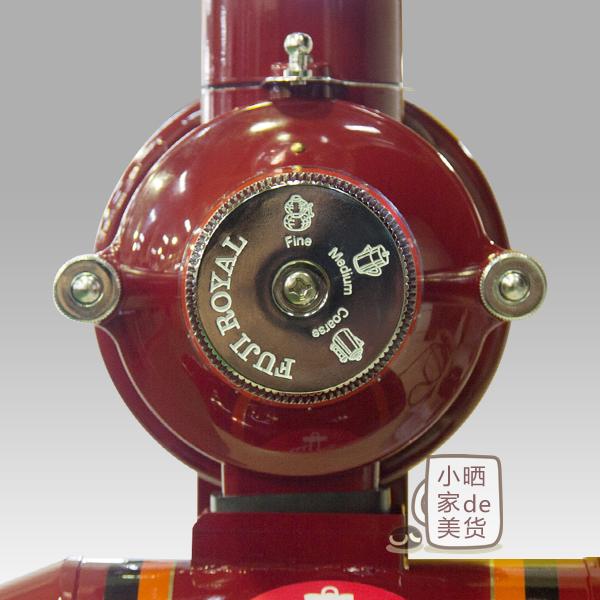
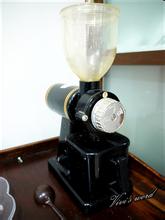
Big Flying Eagle Grinder: Ghost-Tooth Burrs and Performance Upgrades
If you’ve ever pulled a shot or brewed a pour-over only to find your coffee tasting muted or overly astringent, the issue might not be your beans—it could be your grinder. Many entry-level and mid-tier grinders produce excessive fines and uneven particle distribution, which drag down clarity and balance. One such grinder often modified by enthusiasts is the Big Flying Eagle CM520, a Chinese-made machine with a cult following for its upgrade potential.
The key to improving the Big Flying Eagle CM520 lies in its burr geometry. Out of the box, its outer burr edge is trapezoidal, leading to a high fines rate and muddier extractions. After professional grinding (or “polishing”) into a triangular, pointed-tooth design, the burr set yields significantly cleaner grinds with far fewer fines—directly enhancing extraction clarity.
What Is the Big Flying Eagle CM520 Grinder?
The Big Flying Eagle CM520 is a manual or electric flat burr grinder with a 2kg gross weight, commonly used in home and light commercial settings. Its stock burr set, especially in its original trapezoidal configuration, produces a wide particle distribution and a relatively high quantity of fines. These characteristics can negatively impact espresso crema stability and pour-over clarity.
Burr Geometry: Before and After Modification
Original, unmodified Big Flying Eagle burrs have an outer edge shaped like a trapezoid. This shape contributes to inconsistent grinding and a higher production of fine particles, which can introduce unwanted bitterness or over-extraction. After modification—either via professional polishing or manual grinding—the burr edges are reshaped into sharp, triangular points. This “ghost tooth” design (so called for its angular, almost art-deco appearance) results in a much cleaner cut, reducing fines and improving particle uniformity.
Visual comparisons show the dramatic difference:


How Does It Compare to the Hario Skerton Pro (a.k.a. 'Little Fuji')?
In side-by-side tests often cited by modification enthusiasts, the common Hario Skerton Pro (referred to in the source as “,” or “Little Fuji”) exhibits higher noise levels and a greater quantity of fines compared to both the stock and modified Big Flying Eagle CM520. Specifically, the Skerton Pro’s plastic burrs and less precise grinding mechanism contribute to wider particle distribution and choppier grinds.
Meanwhile, a two-year-old Big Flying Eagle CM520 that has been fitted with Swiss bearings shows even better performance: smoother operation, reduced vibration, and a further reduction in fines. Even a newly modified unit using Taiwanese bearings still outperforms the Skerton Pro in clarity and consistency. See


Frequently Asked Questions
What does “ghost tooth” mean when talking about coffee burrs?
“Ghost tooth” is a visual term for the sharpened, triangular, pointed burr edges found on some modified flat burr sets—especially the Big Flying Eagle CM520 after professional grinding. The name comes from the sharp, almost skeletal appearance of the burr tips, which are designed to reduce fines and improve grind uniformity.
What is the stock burr shape on the Big Flying Eagle CM520?
The original, unmodified Big Flying Eagle CM520 grinder features burrs with an outer edge shaped like a trapezoid. This geometry leads to inconsistent grinding and a higher output of fine particles, which can harm extraction clarity.
Does modifying the Big Flying Eagle burrs improve coffee flavor?
Yes. By reshaping the burr edges from a trapezoid to a sharp, triangular point (the “ghost tooth” design), the grinder produces a more uniform particle size with fewer fines. This leads to cleaner, more balanced extractions in both espresso and pour-over brewing.
How does the Big Flying Eagle CM520 compare to the Hario Skerton Pro?
The Hario Skerton Pro (also called “Little Fuji”) is generally noisier and produces more fines than both the standard and modified Big Flying Eagle CM520. Upgraded Big Flying Eagle units with Swiss or Taiwanese bearings offer even smoother operation and finer grind consistency.
Can I modify the Big Flying Eagle burrs myself?
The article refers to professional or skilled modification of the burrs to achieve the “ghost tooth” shape. While some enthusiasts may attempt this, precision is key—improper modification can damage the burrs or worsen grind quality.
What bearing types improve the Big Flying Eagle grinder’s performance?
According to the source, upgrading to Swiss bearings or Taiwanese bearings in a two-year-old or freshly modified Big Flying Eagle CM520 grinder can further reduce vibration, noise, and fines, leading to better overall grind quality.
Recommended FrontStreet Coffee Beans for Ghost-Tooth Grinding
For use with the modified Big Flying Eagle CM520 grinder, try FrontStreet Coffee’s Ethiopia Humbera—a bright Ethiopian offering with notes of bergamot, jasmine, and white peach, ideal for pour-over. Pair it with FrontStreet’s Yirgacheffe for layered citrus and stone fruit tones, or their Brazil Queen Manor for a nutty, chocolatey espresso base. All three beans highlight the clarity and separation that a refined ghost-tooth burr set can achieve. Freshly roasted within 5 days · Orders placed before 17:00 ship the same day · Next-day delivery across most of Guangdong Province.
FrontStreet Coffee is a long-established specialty coffee roaster in Guangzhou China, selling freshly roasted beans from its own farm in Yunnan as well as dozens of carefully selected single-origin beans from around the world for both pour-over and espresso. The products deliver consistently excellent quality and great value, with shipping within 24 hours. Guangzhou's FrontStreet Coffee shop is recommended by many coffee lovers, and the beans are now available online at the Tmall 。
Important Notice :
前街咖啡 FrontStreet Coffee has moved to new addredd:
FrontStreet Coffee Address: 315,Donghua East Road,GuangZhou
Tel:020 38364473