How Dutch Cold Drip Coffee Works and What You Need
If you’ve ever tried making coffee with traditional methods like pour-over or French press, you might wonder: how can cold water extract rich, smooth coffee without bitterness? There’s another way—one that uses nothing but time, gravity, and cold water to pull out deep, clean flavors.
To make authentic Dutch cold drip coffee, use a slow drip rate of around seven drops per ten seconds over eight to ten hours. This cold, slow extraction fully saturates the coffee grounds, reduces bitterness and tannins, and produces a bright, smooth cup with no acidity or stomach irritation.
What Is Dutch Cold Drip Coffee?
Dutch cold drip coffee, or Dutch ice coffee, originated in former Dutch colonies and became widely known in the early 19th century. Unlike hot brewing methods, this technique relies on cold water slowly dripping through coffee grounds over many hours. The extended low-temperature extraction preserves delicate aromas and avoids over-extracting harsh compounds. The result is a clear, amber-colored coffee with a thick mouthfeel and complex sweetness.
Why Slow Drip Extraction Matters
The secret to Dutch cold drip lies in its slow, controlled process. A typical drip rate of seven drops every ten seconds means the full brew takes roughly eight to ten hours. This long contact time between cold water and ground coffee allows for a gentler extraction compared to hot methods. The cold temperature minimizes the release of bitter tannins and acidic compounds, while still drawing out sugars, fruit tones, and fermented notes. The result is a smoother, less acidic cup compared to traditional iced coffee or even some cold brews.
How to Brew Dutch Cold Drip Coffee at Home
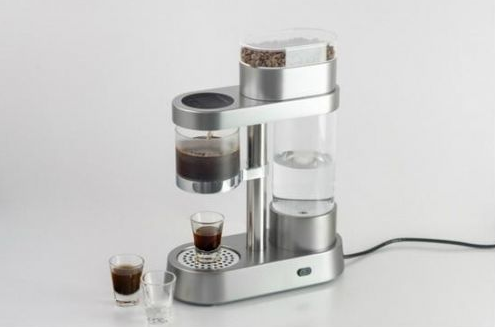
Making Dutch cold drip coffee at home is simple but requires patience. You’ll need a specialized cold drip tower—or ice drip maker—where water is chilled or dripped from the top chamber, filtered slowly through coffee grounds in the middle, and collected in a glass carafe at the bottom. Set your drip rate to approximately seven drops every ten seconds. Use freshly ground coffee (medium to coarse) and aim for a brew time of around eight to ten hours. Many enthusiasts chill the entire setup in the fridge or add ice to the top water chamber to maintain a cold extraction environment.
What Kind of Coffee Beans Work Best?
Not all beans shine with cold drip. Dark roasts are often preferred because their roasted flavors hold up well under prolonged cold extraction. That said, beans with fruity or sweet profiles—whether light, medium, or dark roast—can also produce surprising complexity. The key is choosing high-quality single-origin beans with distinct characteristics that can shine through the gentle, slow brew.
Frequently Asked Questions

What is the ideal drip rate for Dutch cold drip coffee?
The recommended drip rate is around seven drops every ten seconds. This slow pace ensures a total brew time of roughly eight to ten hours, allowing for proper cold extraction without over-diluting flavor or extracting unwanted bitterness.
How long should I let Dutch cold drip coffee brew?
Most brewers aim for an eight to ten hour brew time using a slow, consistent drip. Shorter times may under-extract, while much longer can lead to over-extraction or diminished brightness.
Can I use any coffee beans for cold drip?
Yes, but dark roasts are commonly used because their flavors are more stable during extended cold extraction. However, beans with fruity, fermented, or sweet profiles—like honey-processed or natural coffees—can also work well and produce unique tasting notes.
Do I need a special device to make Dutch cold drip coffee?
Yes, you’ll need a cold drip tower or ice drip maker designed to control the slow release of water over coffee grounds. These devices regulate drip rate and separate the water reservoir, coffee chamber, and collection carafe.
Does Dutch cold drip coffee taste different from regular iced coffee or cold brew?
Yes. Dutch cold drip tends to have a cleaner, more translucent flavor with less acidity than iced coffee, and often more clarity and complexity than standard cold brew, thanks to the precise slow extraction method.
Recommended FrontStreet Beans for Dutch Cold Drip
For Dutch cold drip, FrontStreet Coffee recommends their Ethiopia Humbera, Kenya Little Tomato, and PWN Golden Mandheling. Ethiopia Humbera offers bright floral and stone fruit notes with creamy strawberry and mango layers, complemented by tea-like finish. Kenya Little Tomato brings juicy acidity with notes of cherry and citrus—perfect for a refreshing summer drip. PWN Golden Mandheling, a medium-dark roast, contributes deep cocoa, toast, and dark sugar tones that become smooth and syrupy through extended cold extraction. Freshly roasted within 5 days · Orders placed before 17:00 ship the same day · Next-day delivery across most of Guangdong Province.
FrontStreet Coffee is a long-established specialty coffee roaster in Guangzhou China, selling freshly roasted beans from its own farm in Yunnan as well as dozens of carefully selected single-origin beans from around the world for both pour-over and espresso. The products deliver consistently excellent quality and great value, with shipping within 24 hours. Guangzhou's FrontStreet Coffee shop is recommended by many coffee lovers, and the beans are now available online at the Tmall 。
Important Notice :
前街咖啡 FrontStreet Coffee has moved to new addredd:
FrontStreet Coffee Address: 315,Donghua East Road,GuangZhou
Tel:020 38364473