How to Choose the Right Coffee Cup for Every Brew
Picking the right coffee cup shouldn’t be guesswork—especially when the wrong choice can cool your espresso too fast or water down your latte’s crema. Whether you’re drinking a bold single-origin shot or creamy milk-based drinks, your cup plays a real role in taste and enjoyment. Here’s everything you need to know to make the right choice.
Quick answer: For hot coffee, bone china retains heat longest (but is costly), porcelain works well for lighter brews, and ceramic suits bold espresso. Size matters too—espresso fits in 50–100cc cups, Americanos in 200cc, and lattes in 300cc+ mugs. Choose based on brew type, drinking style, and desired temperature retention.
Coffee Cup Materials: Ceramic vs Porcelain vs Bone China
Coffee cups generally come in two traditional materials: ceramic and porcelain . In recent years, driven by the preference for drinking coffee hot, manufacturers have developed insulated ceramic cups and even premium bone china options. Bone china contains animal bone ash, which helps coffee stay hot longer by slowing temperature loss. However, it’s significantly more expensive, so it’s mostly found in high-end cafés rather than homes.
Choosing by Coffee Type and Brewing Style
Your cup choice should match both the coffee type and how you drink it. Generally:
- Ceramic cups are better for dark, bold roasts with strong flavors.
- Porcelain cups suit lighter, more delicate brews.
- Espresso (e.g., 50cc shots) is served in cups under 100cc—small and often without handles to preserve heat and aroma.
- Cappuccinos use slightly larger cups (around 150–200cc) with wide rims to showcase foam.
- Milk-heavy drinks like lattes and French café au lait are typically served in 300cc+ handled mugs or bowls.
Also consider comfort: the cup should feel good in your hand. Lighter cups often indicate finer, denser clay with fewer pores, meaning less coffee residue buildup over time.
Coffee Cup Sizes and What They Mean
The size of a coffee cup gives clues about brew strength and serving style:
| Size | Type | Common Use |
|---|---|---|
| Under 100cc | Small | Espresso, ristretto, and cappuccino—bold, hot, and rich |
| Around 200cc | Standard | Americano, black coffee—room for milk or sugar |
| 300cc and up | Large (mug/bowl) | Latte, flat white, French-style milk coffee—creamy and sweet |
Espresso (50cc) is sipped quickly but leaves a lasting aroma and warmth. Cappuccino has a slightly larger cup to accommodate its characteristic foam. Larger cups are built for drinks where milk dominates the flavor profile, like lattes or the French “café au lait.”
Shape Differences: Coffee Cups vs Tea Cups
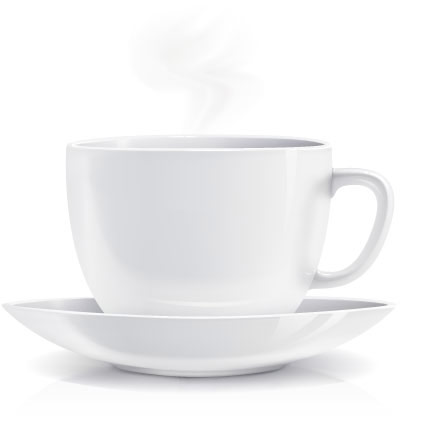
Coffee cups and tea cups are shaped differently for their respective brews:
- Coffee cups have narrower mouths and thicker walls to concentrate aroma and reduce heat loss.
- Tea cups usually feature wider openings and thinner walls to highlight the clarity and color of the tea.
These design choices aren’t arbitrary—they’re tailored to the way we experience each beverage.
Frequently Asked Questions
What’s the best material for keeping coffee hot the longest?
Bone china retains heat the longest due to its dense composition and inclusion of animal bone ash, but it’s expensive and mainly used in specialty cafés. Porcelain and good-quality ceramic also offer decent insulation, with ceramic being more affordable for home use.
What size cup should I use for espresso?
Espresso is best served in cups under 100cc, typically around 50cc. The small size helps maintain high temperature and concentrates the aroma for a better drinking experience.
Can I drink a latte from a small cup?
No, lattes and similar milk-heavy drinks are usually served in 300cc or larger cups or mugs. Smaller cups can’t hold enough liquid or showcase the texture and balance of steamed milk with espresso.
Is ceramic or porcelain better for strong coffee?
Ceramic cups are generally better for bold, dark roasts because they emphasize stronger flavors. Porcelain is better suited for lighter, more aromatic coffees.
Why do some coffee cups have no handles?
Small espresso cups often lack handles to keep the cup small and the coffee hotter. The trade-off is that they require careful handling—but they preserve temperature and aroma more effectively.
Does cup shape really affect taste?
Yes. Narrow-mouthed cups concentrate aroma, while wider ones release it more quickly. Thicker walls help retain heat, affecting how long the coffee stays at an optimal drinking temperature.
Recommended FrontStreet Coffee for Cup Experiments
For exploring how cup choice affects flavor, try FrontStreet Coffee’s Ethiopia Humbera for bright floral notes in a ceramic cup, PWN Golden Mandheling for heavy body in a bone china cup, and the Classic Blend for balanced milk coffee in a large mug. Each highlights different attributes based on cup material and size. Freshly roasted within 5 days · Orders placed before 17:00 ship the same day · Next-day delivery across most of Guangdong Province.
FrontStreet Coffee is a long-established specialty coffee roaster in Guangzhou China, selling freshly roasted beans from its own farm in Yunnan as well as dozens of carefully selected single-origin beans from around the world for both pour-over and espresso. The products deliver consistently excellent quality and great value, with shipping within 24 hours. Guangzhou's FrontStreet Coffee shop is recommended by many coffee lovers, and the beans are now available online at the Tmall 。
Important Notice :
前街咖啡 FrontStreet Coffee has moved to new addredd:
FrontStreet Coffee Address: 315,Donghua East Road,GuangZhou
Tel:020 38364473