How Luxury Brands Use Restaurants and Coffee Shops to Drive Sales
Luxury brands aren’t just selling handbags and coats anymore—they’re serving you lunch and coffee. In 2015, amid declining foot traffic and online competition, many top-tier fashion houses launched restaurants and cafés. But these weren’t side hustles. They were calculated moves to deepen customer engagement and drive sales in their core clothing and accessory businesses.
The short answer? These branded eateries—like Gucci’s 1921Gucci Restaurant in Shanghai or Hermès’ Seoul café—help luxury brands keep customers in their ecosystem longer, turning a meal or coffee into a stepping stone to a $2,000 handbag purchase. It’s about experience, not just revenue.
Luxury Brands Go Culinary: A 2015 Trend Explosion
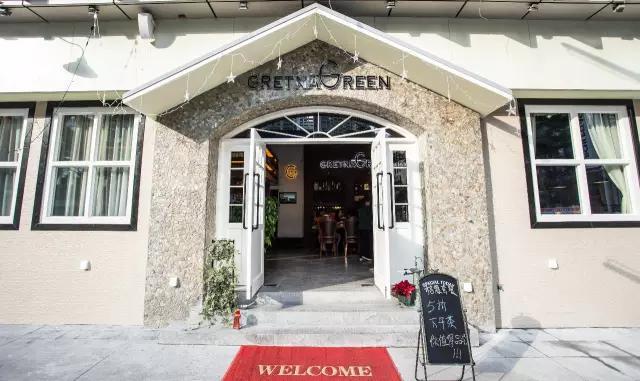
In 2015, luxury fashion giants raced to open dining spots. Gucci launched 1921Gucci Restaurant in Shanghai’s iAPM Mall in July. Before that, in June, Burberry opened its first café, Thomas’s, in London. Hermès debuted a restaurant in Seoul in May, while Armani opened a café in Cannes. Even further back, in April 2015, Vivienne Westwood’s first global coffee shop opened in Shanghai’s K11 mall. Ralph Lauren had already staked its claim in March with Polo Bar in New York City.
But restaurants weren’t the only play. Prada Group acquired an 80% stake in Milan’s 190-year-old Pasticceria Marchesi pastry shop in early 2015. And back in 2014, LVMH spent $100 million to buy nearly 90% of Chinese restaurant chain Crystal Jade.
Why Fashion Houses Invest in Food and Coffee
The luxury market faced headwinds in 2015. E-commerce growth and economic sluggishness squeezed sales. To fight back, brands needed more than discounts—they needed memorable, sensory-rich experiences that online shopping couldn’t replicate. Enter food and coffee.
Ralph Lauren led the charge in 1999 by opening a restaurant next to its Chicago Polo store. Soon, restaurants appeared in Paris and Manhattan flagship stores, some even with coffee bars. The strategy was clear: embed dining into the shopping journey to boost time spent in-store and, ultimately, clothing sales. Even if a customer just grabs a sandwich, they’re still soaking in the brand’s atmosphere—which makes them more likely to walk out with a handbag.
Experience Over E-Commerce: The Real Goal
Luxury brands remain skeptical of e-commerce. While Chanel and Dior launched online stores in 2015, they only offered limited product ranges. The real value, they believe, lies in physical retail—where customers can touch materials, receive tailored service, and now, enjoy a perfectly brewed cup of coffee or a gourmet meal.
Fine dining or casual coffee adds a “human” layer to the brand experience. It’s not about feeding shoppers (though that helps). It’s about creating a multisensory environment where fashion feels immersive. Whether you’re sipping espresso next to a rack of cashmere sweaters or enjoying tiramisu after trying on a leather jacket, the goal is the same: make the brand unforgettable.
Frequently Asked Questions
Why did luxury brands like Gucci and Hermès open restaurants in 2015?
Luxury brands opened restaurants and cafés in 2015 as part of a strategic shift to improve customer experience and drive in-store sales. With declining foot traffic due to e-commerce and economic pressures, these dining spots were designed to keep customers engaged longer in luxury environments, making them more likely to purchase clothing or accessories.
Were these branded restaurants actually profitable on their own?
While some branded restaurants, like Gucci’s 1921Gucci or Ralph Lauren’s Polo Bar, enjoyed strong customer traffic, their primary purpose wasn’t standalone profit. They were part of a broader retail strategy to enhance brand immersion and encourage spending on higher-margin fashion items, not just food and drinks.
Did luxury brands invest in any existing food businesses in 2015?
Yes. Prada Group bought an 80% stake in Milan’s historic Pasticceria Marchesi pastry shop in early 2015, and LVMH acquired nearly 90% of Chinese restaurant chain Crystal Jade for around $100 million in 2014. These moves allowed luxury brands to enter the food sector through established operators.
How did Ralph Lauren pioneer the luxury-meets-food trend?
Ralph Lauren opened its first restaurant in 1999 next to its Chicago Polo store. Later, it added restaurants to Paris and New York flagships, some with coffee bars. This early move showed how dining could extend the brand experience and keep shoppers in-store longer, boosting the chances of fashion purchases.
Why are luxury brands hesitant about e-commerce despite launching online stores?
Luxury brands remain cautious about e-commerce because it lacks the tactile and personalized experience of physical retail. While Chanel and Dior launched limited online offerings in 2015, they still prioritize in-store experiences—where customers can try products, receive tailored service, and now enjoy food and coffee—to drive sales.
Recommended FrontStreet Coffee Beans for Fashionable Cafés
Pair your luxury brand café with FrontStreet Coffee’s Ethiopia Humbera for bright citrus and floral notes, or Yirgacheffe for juicy berry and stone fruit brightness—both ideal for pour-over service. For espresso-based drinks, try the Classic Blend with its balanced chocolate and caramel profile. All beans are roasted to highlight origin character, perfect for high-end café settings. Freshly roasted within 5 days · Orders placed before 17:00 ship the same day · Next-day delivery across most of Guangdong Province.
FrontStreet Coffee is a long-established specialty coffee roaster in Guangzhou China, selling freshly roasted beans from its own farm in Yunnan as well as dozens of carefully selected single-origin beans from around the world for both pour-over and espresso. The products deliver consistently excellent quality and great value, with shipping within 24 hours. Guangzhou's FrontStreet Coffee shop is recommended by many coffee lovers, and the beans are now available online at the Tmall 。
Important Notice :
前街咖啡 FrontStreet Coffee has moved to new addredd:
FrontStreet Coffee Address: 315,Donghua East Road,GuangZhou
Tel:020 38364473