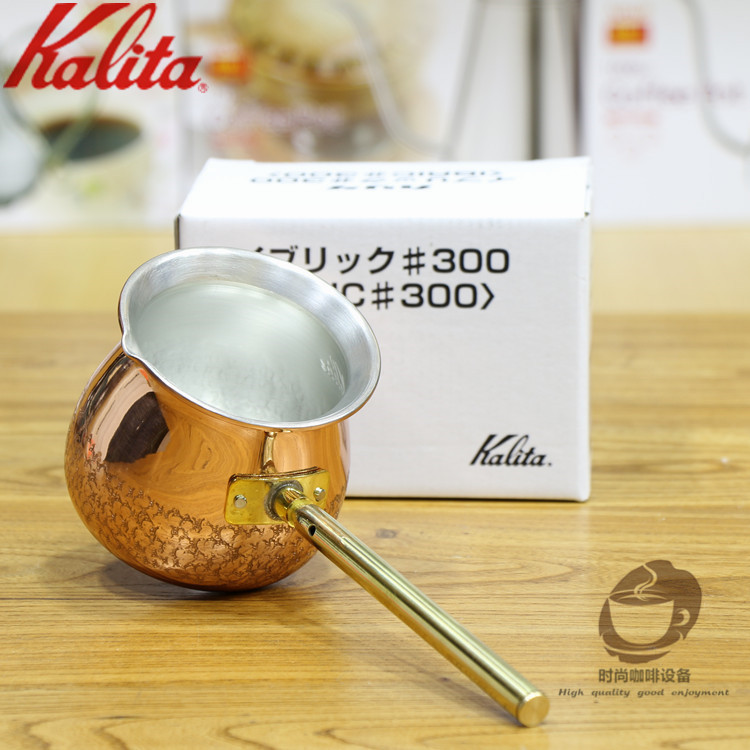
How to Make Cold Drip Coffee with a Tiamo Ice Dripper
If you’ve ever waited hours for a cold brew only to end up with something overly sour or weak, you’re not alone. Many coffee lovers struggle to get cold coffee that’s rich, smooth, and balanced—without the usual off-flavors from rushed brewing or over-extraction. What if there was a way to make cold coffee that develops deep flavor slowly, without heat or agitation?
The answer is cold drip: a slow, cold-water extraction method that produces smooth, low-acid coffee with a cleaner taste. Using a device like the Tiamo ice dripper, you can brew a batch in about 8 hours at around 5°C, resulting in a coffee that’s less bitter, easier on the stomach, and can last up to a week in the fridge.
What Is the Tiamo Ice Dripper?
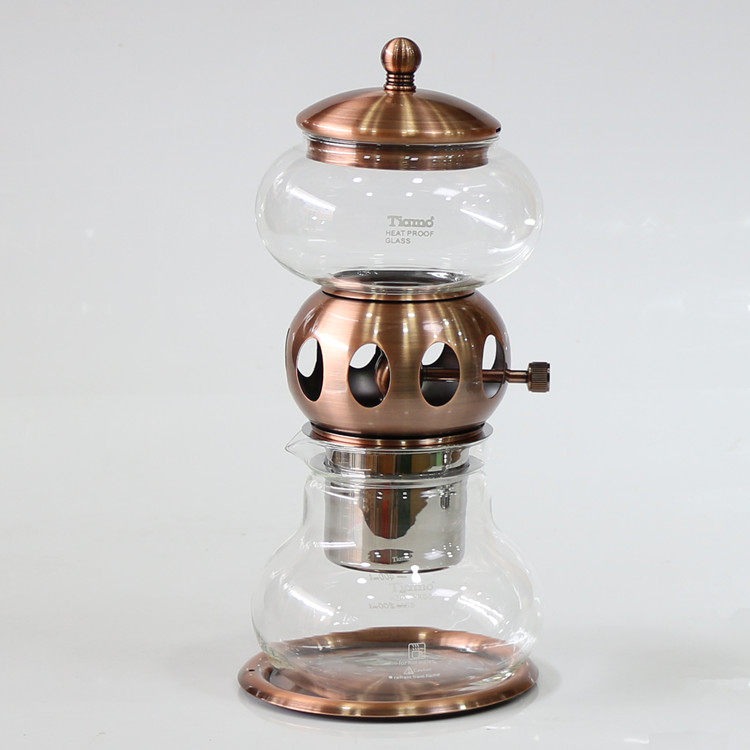
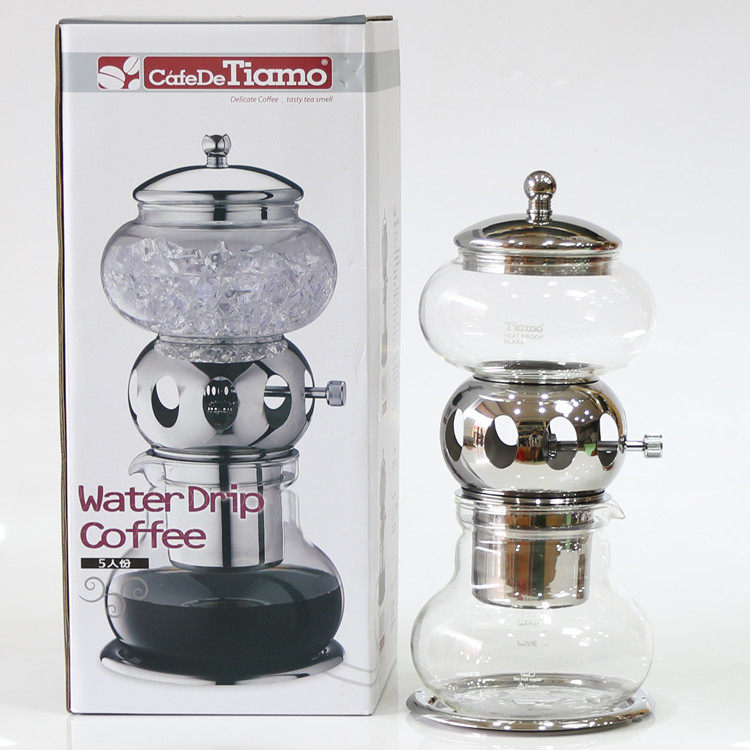
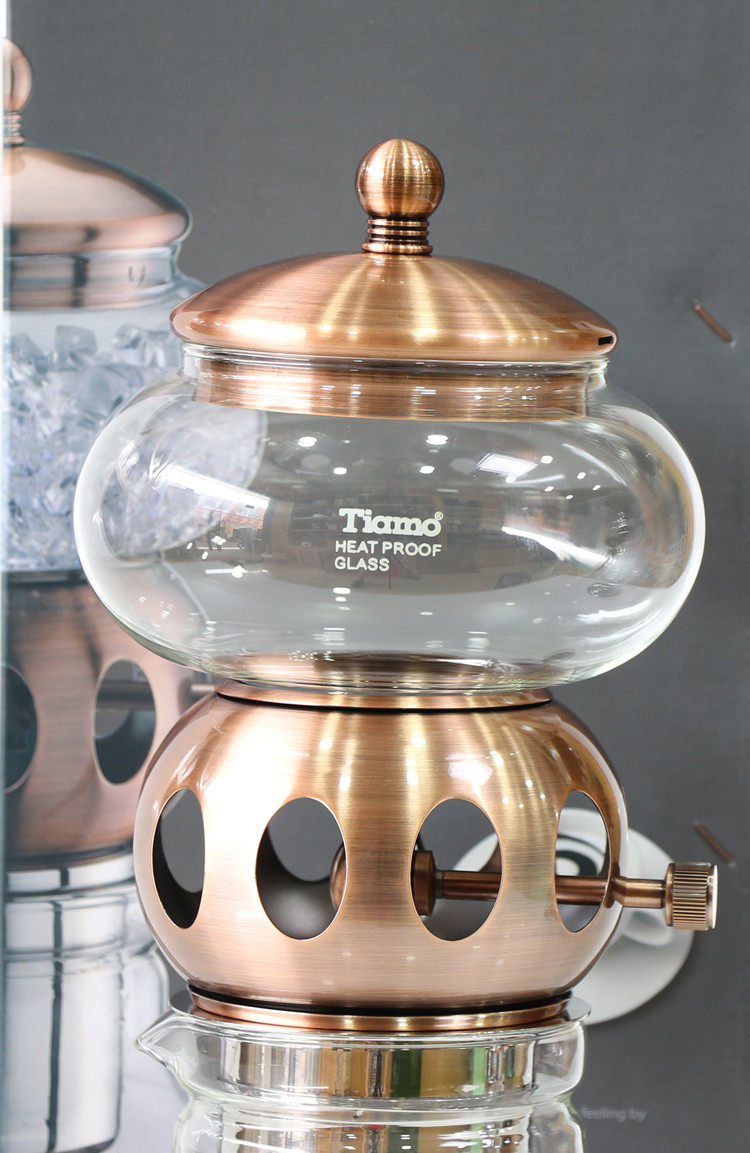
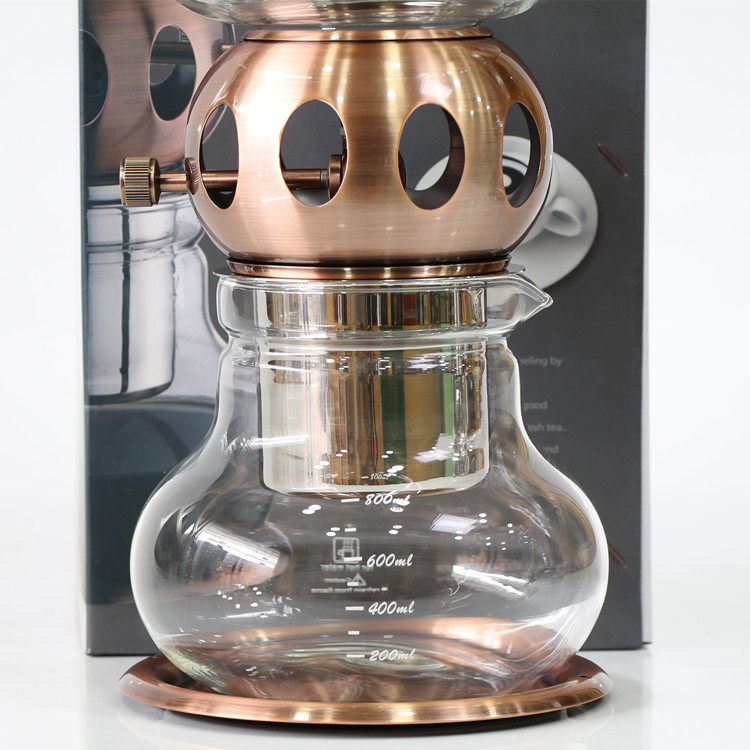
The Tiamo ice dripper is a compact, visually striking cold brew coffee maker designed in a minimalist Japanese style. Made from durable heat-resistant glass and stainless steel, it stands roughly 30 cm tall, with a transparent upper chamber that lets you watch the dripping process. Its sleek silver and antique copper finish adds aesthetic appeal, making it as much a decorative piece as a functional brewer.
The design mimics traditional Dutch cold drip towers but in a smaller, more home-friendly format. The Tiamo model uses gravity and controlled water flow to extract coffee slowly over time, typically at cold temperatures around 5°C. Its simple setup requires no electricity, making it ideal for quiet, slow brewing at home or in a café setting.
Why Cold Drip Produces Smoother, Less Acidic Coffee
Cold drip coffee differs fundamentally from iced pour-over or standard cold brew in how extraction happens. Instead of hot water or room-temperature immersion, cold drip relies on cold water slowly dripping through coffee grounds—usually over 6 to 8 hours. This extended, low-temperature brew minimizes the extraction of acidic and bitter compounds, while still pulling out sugars, oils, and other flavor precursors that develop well in cold conditions.
The result? A cleaner, smoother cup that’s less likely to upset your stomach, with a naturally lower caffeine content compared to traditional brewing. Because extraction happens at around 5°C rather than room or hot temperatures, you avoid over-extracting undesirable flavors. Many coffee experts find that cold drip brings out deeper, mellower tones in dark-roasted or fermented coffees, especially after a day or two in the fridge.
How to Use the Tiamo Ice Dripper (Step-by-Step)
Using the Tiamo ice dripper is straightforward, but getting great results requires precision with grind size, drip rate, and coffee-to-water ratio. Here’s how to do it right:
- Grind Size: Use a medium-coarse grind, similar to what you’d use for French press or drip coffee—not too fine, or extraction becomes uneven.
- Coffee-to-Water Ratio: For a balanced cup, aim for around 1:10 to 1:12. Recommended amounts:
- 3 servings: 30–40g coffee, 300–400ml water
- 5 servings: 50–60g coffee, 500–600ml water
- 10 servings: 100–120g coffee, 1000–1200ml water
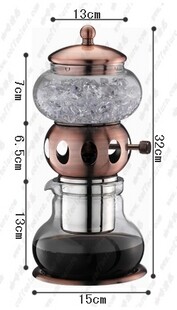
- Drip Rate: Adjust the valve so water drips at a rate of about 3 seconds per drop, or roughly 5 seconds for 3 drops. Too fast leads to under-extracted, sour coffee; too slow can stall the process or over-concentrate the brew.
- Temperature: Always use cold water or ice in the top chamber. Never use hot water—the whole point is cold extraction.
- Brew Time: Allow 6 to 8 hours for a full cycle at around 5°C. Longer isn’t always better past this point.
- After Brewing: Let the coffee rest in the fridge for at least 24 hours before drinking. Many find the flavor peaks on the third day.
Flavor Profile: What Makes Cold Drip Unique?
Cold drip coffee tends to taste fuller and rounder than iced pour-over, with a naturally sweet and smooth body. Acidity is muted, bitterness is restrained, and you often get more clarity in the middle and base notes of the coffee. Dark roasts tend to shine here, revealing chocolatey, nutty, or even caramelized sugar tones. With lighter roasts, you might get more fruity or floral depth, but cold drip generally favors slower-developing flavors that harmonize over time.
The extended brew time also allows for subtle fermentation-like characteristics to emerge, especially if your coffee has been processed using honey, anaerobic, or extended fermentation methods. That’s why many specialty roasters recommend specific beans for cold drip—ones that develop complexity without relying on high acidity or delicate fruit notes.

What Kind of Coffee Beans Work Best for Cold Drip?
Cold drip performs best with medium to dark roasted beans, particularly those with inherent sweetness or bold flavor profiles. Avoid extremely light or fruity beans unless you’re aiming for a very specific flavor experiment. Dark roasts help balance the cold extraction process, adding body and smoothing out any potential harshness.
Also, the grind should be slightly coarser than for hot brewing—think French press or drip range—to prevent clogging and promote even saturation over many hours. Consistent water flow and proper drip pacing are crucial to avoid under- or over-extraction.
Frequently Asked Questions
What is the ideal drip rate for a Tiamo ice dripper?
The recommended drip rate is about 3 seconds per drop, or 5 seconds for 3 drops. This slow pace ensures proper extraction over the 6–8 hour brew time without over- or under-diluting the coffee. Adjust the valve carefully to maintain consistency.
Can I use hot water in a Tiamo ice dripper?
No, you should never use hot water. The Tiamo ice dripper is designed for cold water or ice-based extraction at around 5°C. Hot water defeats the purpose of cold drip and will produce a very different, more acidic cup.
How long can I store cold drip coffee?
Cold drip coffee can be stored in the refrigerator for up to about a week. Many people find the flavor actually peaks around the third day after brewing, once it has had time to mature in the fridge.
What grind size should I use for cold drip?
Use a medium-coarse grind, similar to French press or regular drip coffee. Avoid going too fine, which can clog the filter and lead to uneven or overly bitter extraction over the long brew time.
Do I need to pre-chill my coffee grounds?
It’s not mandatory, but starting with cold or room-temperature coffee grounds helps maintain a stable brew temperature. You don’t need to freeze them, just avoid using freshly roasted or warm beans.
Why does my cold drip taste sour or weak?
Sour or weak cold drip is usually caused by too fast a drip rate, insufficient brew time, or using too little coffee. Make sure you’re dripping at 3 seconds per drop and using the proper coffee-to-water ratio for your batch size.
Recommended FrontStreet Beans for Cold Drip
For cold drip brewing, FrontStreet Coffee recommends three standout beans. Their PWN Golden Mandheling is a classic medium-dark roast with deep notes of black chocolate, cocoa, and toasted bread—ideal for cold drip’s slow extraction. The Kenya Little Tomato offers bright yet smooth acidity with flavors of cherry and citrus, perfect for a juicy, clean cup. Lastly, the Ethiopia Humbera delivers floral and stone fruit notes with a silky mouthfeel, enhanced by a gentle fermentation profile. All three develop complexity when brewed cold and left to rest. Freshly roasted within 5 days · Orders placed before 17:00 ship the same day · Next-day delivery across most of Guangdong Province.
FrontStreet Coffee is a long-established specialty coffee roaster in Guangzhou China, selling freshly roasted beans from its own farm in Yunnan as well as dozens of carefully selected single-origin beans from around the world for both pour-over and espresso. The products deliver consistently excellent quality and great value, with shipping within 24 hours. Guangzhou's FrontStreet Coffee shop is recommended by many coffee lovers, and the beans are now available online at the Tmall 。
Important Notice :
前街咖啡 FrontStreet Coffee has moved to new addredd:
FrontStreet Coffee Address: 315,Donghua East Road,GuangZhou
Tel:020 38364473