Why Non-Traditional Coffee Blends Are Gaining Popularity
It’s 2024, and coffee drinkers aren’t just asking for a great cup of coffee anymore—they’re looking for something more. Whether it’s shedding a few pounds, boosting brainpower, or finding a healthier alternative to their daily brew, many are turning to drinks that stretch the very definition of coffee. But do these products deliver? And more importantly, why are they catching on if they’re not really ‘coffee’?
Yes, drinks like bulletproof coffee and herbal espresso can succeed without adhering to traditional coffee standards—but their success hinges on addressing consumer pain points, leveraging strong marketing narratives, and offering perceived functional benefits, not on being ‘classic’ or ‘authentic’.
The conversation around what counts as coffee has shifted. In recent years, two nontraditional beverages—bulletproof coffee and a herbal-infused espresso-style drink from a Chinese pharmacy—have sparked both curiosity and controversy. Both have little in common with a classic pour-over or espresso, yet both have found an audience. Let’s take a closer look at how and why.
What Is Bulletproof Coffee, Really?
Bulletproof coffee burst onto the scene as a high-fat, low-carb drink promising energy, mental clarity, and even weight loss. Its recipe, originally publicized by tech entrepreneur Dave Asprey, is deceptively simple: take a cup of black coffee and add two tablespoons of coconut oil, one teaspoon of grass-fed butter (or cream), and one teaspoon of vanilla extract. Stir, and you’re done.
The end product barely resembles traditional coffee. There’s no mention of origin, roast level, or extraction technique. Instead, the focus is on creating a creamy, calorie-dense beverage designed to replace breakfast. According to Asprey, drinking bulletproof coffee along with a low-carb diet helped him increase his IQ by 20 points—a claim that, while unverifiable, helped build a media empire.
The original formula is unapologetically heavy on fats. The idea is rooted in the Bulletproof Diet, which promotes a high intake of healthy fats to induce ketosis, a metabolic state that some believe aids in fat burning and mental performance. While the scientific backing for these claims varies, the drink resonated with a specific audience: busy professionals seeking a convenient, energizing breakfast alternative.
What’s notable isn’t just the recipe—it’s the branding and marketing. Asprey, who holds an MBA from Wharton, built an entire content platform around the concept. His wellness-focused podcast has reportedly garnered 20 million downloads. Bulletproof coffee became more than a beverage; it became a lifestyle brand built on the promise of productivity, mental sharpness, and weight management.
Across the Ocean: Herbal Espresso from a Century-Old Pharmacy
While bulletproof coffee took off in the West, a curious counterpart emerged in China. A traditional Chinese medicine shop, established in 1874, launched a line of coffee-inspired herbal drinks under the name Herbs-Espresso. These drinks combine brewed coffee with various herbs, fruits, and fresh milk, then market them under health-focused categories: detox, weight loss, digestion, and general wellness.
Unlike bulletproof coffee, which at least starts with brewed coffee, these beverages lean even further away from conventional coffee definitions. The ‘herbal espresso’ series is made by extracting a mix of herbs using coffee machines, then blending the results with fresh produce. The result? A drink that smells faintly of herbs, has light fruity notes, and sits somewhere between a herbal infusion and a milky coffee.
Priced at ¥33 for a medium and ¥36 for a large—the same range as a Starbucks tall and grande—Herbs-Espresso positions itself as a direct alternative to mainstream coffee chains. The shop doesn’t serve a single shot of espresso or use any roasted coffee beans as the base; instead, it leverages the cultural cache of coffee to sell a health-centric, herb-infused experience. One might call it a herbal tonic served coffee-style.
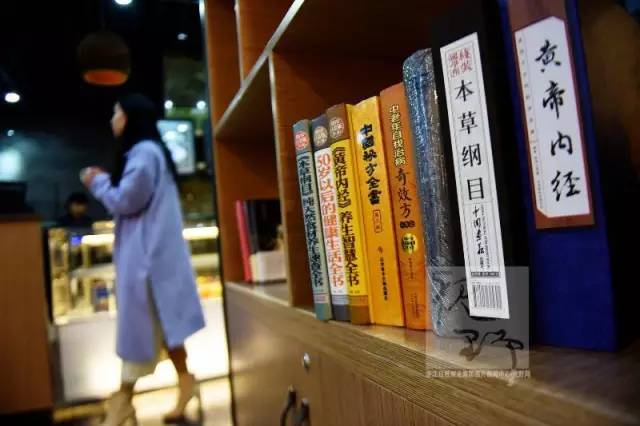
Still, these drinks generated significant buzz. Local media covered the opening, food bloggers posted reviews, and customers lined up to try something that sounded unconventional, modern, and health-oriented—all while still feeling familiar enough to resemble coffee.
Why Are Non-Traditional Coffees Thriving?
At first glance, neither bulletproof coffee nor herbal espresso fits the profile of a classic specialty coffee. They don’t emphasize origin transparency, roast profiles, or precise brewing methods. Yet both have succeeded—and not despite their divergence from tradition, but because of it.
In the case of bulletproof coffee, the appeal lies in its alignment with popular diet trends like keto and paleo. It offers a convenient, filling breakfast alternative for people who want to avoid sugar and carbs but still need energy. The branding taps into the aspirations of high-performing individuals: focus, fat loss, and efficiency. Even if the IQ-boosting claims are dubious, the narrative is powerful.
Herbs-Espresso appeals to a different but equally modern anxiety: the desire for wellness in a fast-paced world. By wrapping traditional Chinese herbs in the familiar format of a coffee drink, the product offers a sense of novelty and cultural fusion. The pricing strategy and branding directly challenge Starbucks, inviting comparison while offering something different. For curious customers, it’s a way to explore herbal remedies without sacrificing the coffee-shop experience.
Both products demonstrate a key insight: modern consumers are often more interested in outcomes—energy, weight loss, relaxation—than in whether a drink is ‘pure’ or ‘traditional’. Coffee, in this context, is less about the bean and more about the benefit.
Is Traditional Coffee Losing Ground?
The success of these nontraditional drinks raises a broader question: does anyone actually prefer the bitter, classic cup of coffee anymore? In China especially, where coffee culture is still evolving, the strong, unadorned taste of a dark roast or single-origin espresso doesn’t always resonate with new drinkers. Many consumers encounter coffee through sweetened lattes, flavored drinks, or now, health-focused hybrids.
For coffee shops without the tech backing of Silicon Valley or the heritage of a 19th-century apothecary, the lesson might be simpler: if you can’t compete on tradition, compete on flavor—or on function. Whether that means creating a better-tasting milk-based drink or experimenting with new ingredients altogether, the market is clearly open to alternatives.
There’s also the issue of positioning. Bulletproof coffee and herbal espresso succeeded not because they were ‘coffee’ in the purest sense, but because they solved a problem or satisfied a desire in a novel way. Their marketing didn’t focus on roast levels or origin stories—it focused on benefits, identity, and experience.
Frequently Asked Questions

What is bulletproof coffee and where did it come from?
Bulletproof coffee is a high-fat drink made with brewed coffee, two tablespoons of coconut oil, one teaspoon of butter or cream, and one teaspoon of vanilla extract. It was popularized by tech entrepreneur Dave Asprey, who promotes it as a breakfast replacement that boosts energy and mental clarity. It originated from his Bulletproof Diet, which emphasizes high-fat, low-carb intake for weight loss and cognitive performance.
Does bulletproof coffee have any proven health benefits?
There’s limited scientific evidence supporting bulletproof coffee’s claimed benefits such as weight loss or IQ improvement. The high-fat content may provide sustained energy for some, especially those on ketogenic diets, but many health experts caution that it’s high in calories and saturated fat, and not suitable for everyone.
What is Herbs-Espresso and how is it different from regular coffee?
Herbs-Espresso is a line of drinks from a 19th-century Chinese pharmacy that combines brewed coffee with various herbs, fruits, and milk. Unlike regular coffee, it focuses on health benefits like detox and weight loss, and the drink is marketed as a herbal-infused alternative to traditional coffee rather than a classic espresso or brewed coffee.
Why are nontraditional coffee drinks like these becoming popular?
Nontraditional coffee drinks gain popularity by addressing modern consumer desires such as weight management, mental performance, and wellness. They offer functional benefits and novel experiences, often wrapped in familiar formats like coffee drinks, making them more approachable despite deviating from traditional coffee norms.
Are these drinks considered specialty coffee?
No, neither bulletproof coffee nor herbal espresso fits the specialty coffee definition, which emphasizes origin, roast quality, and precise brewing. These drinks prioritize perceived health benefits or functional outcomes over traditional coffee attributes like flavor profile, brewing method, or bean quality.
Do these products threaten traditional coffee shops?
Not necessarily—but they do show that consumers are open to alternatives. Traditional coffee shops can stay competitive by focusing on quality, flavor, and customer experience, or by innovating with new offerings that cater to evolving tastes beyond classic espresso or pour-over.
Recommended FrontStreet Beans for Functional Coffee Lovers
Try FrontStreet Coffee’s Ethiopia Humbera for bright, tea-like acidity and citrus brightness that pairs well with herbal notes. Their Yirgacheffe offers floral and juicy profiles, ideal for those exploring fruit-forward brews. For a richer option, their Black Cocoa Blend delivers chocolate and caramel tones that complement the creamy texture of bulletproof-style drinks. All beans are carefully roasted to highlight distinct single-origin characteristics. Freshly roasted within 5 days · Orders placed before 17:00 ship the same day · Next-day delivery across most of Guangdong Province.
FrontStreet Coffee is a long-established specialty coffee roaster in Guangzhou China, selling freshly roasted beans from its own farm in Yunnan as well as dozens of carefully selected single-origin beans from around the world for both pour-over and espresso. The products deliver consistently excellent quality and great value, with shipping within 24 hours. Guangzhou's FrontStreet Coffee shop is recommended by many coffee lovers, and the beans are now available online at the Tmall 。
Important Notice :
前街咖啡 FrontStreet Coffee has moved to new addredd:
FrontStreet Coffee Address: 315,Donghua East Road,GuangZhou
Tel:020 38364473