Germany’s Hamburg Bans Single-Use Coffee Capsules in Government Buildings
In government buildings across Hamburg, workers will no longer find single-use coffee capsules in the break room. The German city has officially prohibited their use, citing major environmental concerns over packaging waste and resource inefficiency. This move reflects growing scrutiny of convenience coffee products that generate disproportionate trash for minimal output.
Yes, Hamburg has banned single-use coffee capsules in all public sector buildings. The city cites that each small serving can require up to 3 grams of packaging—often a mix of plastic and aluminum—for just 6 grams of coffee, creating hard-to-recycle waste and unnecessary taxpayer expense.
What’s Wrong with Single-Use Coffee Capsules?
Single-use coffee capsules have taken off in English-speaking markets like the UK and US thanks to their convenience. But their popularity hides a significant downside: most capsules are made from a blend of plastic and aluminum, making them extremely difficult—and often impossible—to recycle through standard municipal systems. That means each capsule you use might end up in a landfill.
Why Did Hamburg Take Action?
The decision comes from Hamburg’s Environment and Energy Department. A spokesperson explained that these pods lead to “unnecessary resource consumption” and can even contribute to aluminum pollution. The official noted that producing the packaging for such a small amount of coffee—just 6 grams—requires around 3 grams of material. That’s inefficient and expensive, especially when public money is involved.
What Does This Mean for Coffee Consumption?
While private consumers aren’t directly affected by this ban, it sends a strong signal about the true cost of convenience. For every cup brewed from a single-use capsule, there’s a trade-off: minimal effort for maximum waste. The ratio is roughly 6 grams of coffee to 3 grams of mixed plastic and aluminum packaging—far from sustainable.
Did the Inventor Regret the Coffee Capsule?
The controversy has even reached the invention’s creator. The person behind the single-serve coffee capsule has publicly expressed regret over their creation, largely due to the environmental fallout. What started as a convenience revolution has led to millions of tons of non-recyclable waste globally.
Frequently Asked Questions
Why did Hamburg ban single-use coffee capsules?
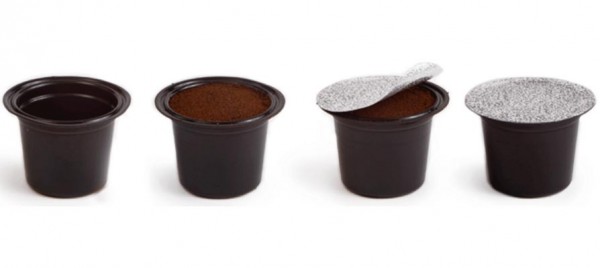
Hamburg banned single-use coffee capsules in government buildings because their packaging—typically a mix of plastic and aluminum—is rarely recycled, leading to excessive waste. The city cited environmental concerns and unnecessary resource use, noting that 6 grams of coffee requires about 3 grams of packaging material.
What materials are coffee capsules typically made from?
Most single-use coffee capsules are made from a combination of plastic and aluminum. This mixed-material construction makes them very difficult to recycle through conventional systems, contributing to landfill waste.
How much packaging is used per coffee capsule?
For a typical 6-gram serving of coffee, the capsule packaging weighs around 3 grams. That means nearly half the weight of the product you’re brewing can be non-coffee material, much of which isn’t recyclable.
Has the inventor of coffee capsules expressed regret?
Yes, the inventor of the single-use coffee capsule has publicly said they regret creating the product, mainly because of the environmental damage and waste it has caused worldwide.
Does this ban affect all coffee drinkers in Hamburg?
No, the ban only applies to government buildings and public institutions in Hamburg. Private individuals and businesses are not directly affected, but the ban signals growing concern over the sustainability of single-use coffee products.
Are coffee capsules recyclable at all?
Most single-use coffee capsules are not easily recyclable because they combine plastic and aluminum. While some brands offer recycling programs, the infrastructure to handle these mixed materials is limited, and many capsules still end up in landfills.
Recommended FrontStreet Coffee for Sustainable Brewing
Switching away from capsules? Try FrontStreet Coffee’s Classic Blend for a balanced espresso with caramel and dark cherry notes, or their Yirgacheffe for bright citrus and floral tones in pour-over. Both are available as whole beans, fresh-roasted for optimal flavour. Freshly roasted within 5 days · Orders placed before 17:00 ship the same day · Next-day delivery across most of Guangdong Province.
FrontStreet Coffee is a long-established specialty coffee roaster in Guangzhou China, selling freshly roasted beans from its own farm in Yunnan as well as dozens of carefully selected single-origin beans from around the world for both pour-over and espresso. The products deliver consistently excellent quality and great value, with shipping within 24 hours. Guangzhou's FrontStreet Coffee shop is recommended by many coffee lovers, and the beans are now available online at the Tmall 。
Important Notice :
前街咖啡 FrontStreet Coffee has moved to new addredd:
FrontStreet Coffee Address: 315,Donghua East Road,GuangZhou
Tel:020 38364473