How a Local Coffee Shop Signals China’s Specialty Shift
Walk into any Chinese city today and you’ll spot coffee shops on nearly every corner—but most still serve generic drinks in cookie-cutter spaces. For coffee drinkers craving something more authentic, the rise of locally rooted specialty cafes signals a quiet shift. Among them, XiYu ManKa stands out as a reflection of what modern Chinese consumers actually want from their coffee experience.
The answer is clear: China’s coffee market is on the verge of a transformation. Experts project that if Chinese consumers drank just one cup of coffee per day, the domestic coffee bean market alone would hit $50 billion annually by 2020, with the broader industry topping hundreds of billions. That potential is already drawing attention—and action.
A Decade of Rapid Growth
Between 2010 and 2020, China’s coffee consumption entered a phase of accelerated development. While urban Chinese averaged just four cups per person per year—and even in major cities like Beijing and Shanghai, the yearly average was only around 20 cups—countries with deep tea traditions like Japan and the UK had already normalized daily coffee drinking. This contrast highlights China’s untapped potential, especially given its strong existing tea culture.
The Market Opportunity
Numerous factors have fueled this growth. Economic reforms and rising incomes have expanded the middle class, while tourism development and faster adoption of global trends have opened minds to new beverages. The coffee shop scene, especially chains, has expanded rapidly. In major urban centers, the number of dedicated coffee venues has been growing at roughly 25% per year. With the market still in its early stages, consumption is rising at astonishing rates, creating massive opportunities for entrepreneurs aiming to open inviting, stylish cafes.
Despite this progress, China’s annual coffee sales currently stand at just 70 billion yuan, leaving a staggering gap of 930 billion yuan in unmet demand. The market is far from saturated, and the conditions are ideal for those ready to meet the rising expectations of coffee drinkers.
XiYu ManKa: A Product of Its Time
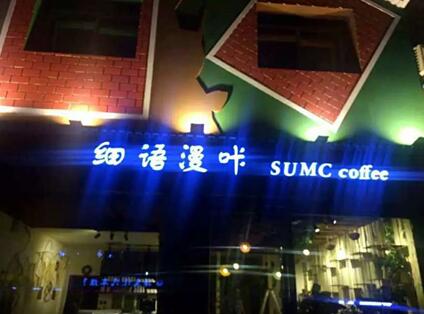
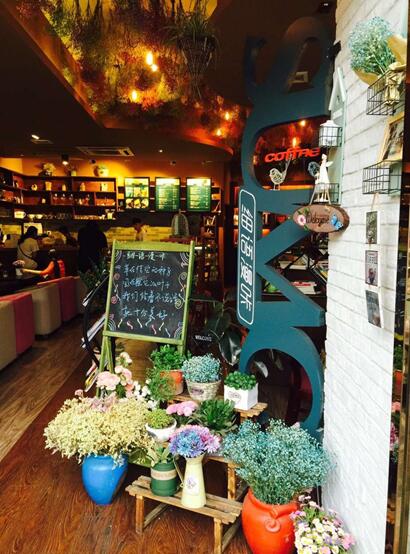
XiYu ManKa emerged in response to these shifting tides. It represents a new kind of coffee venue—one that understands what local consumers are looking for and aligns with the broader trends propelling China toward becoming the world’s largest coffee market. By focusing on the qualities that define a modern specialty coffee experience, it embodies the values of a growing segment of the population eager for more than just a quick caffeine fix.
<
Frequently Asked Questions
What is XiYu ManKa and why is it significant?
XiYu ManKa is a locally owned specialty coffee shop in China that reflects current consumer preferences and market trends. It symbolizes the shift toward more authentic, quality-focused coffee experiences as the country moves toward becoming the world’s largest coffee market.
How much coffee does the average Chinese person drink?
In Chinese cities, the average person drinks about four cups of coffee per year, with major cities like Beijing and Shanghai averaging around 20 cups annually—far below the daily cup common in countries like Japan and the UK.
What is the projected size of China’s coffee bean market?
If Chinese consumers drank one cup of coffee per day, the coffee bean market alone would reach $50 billion annually by 2020, with the overall industry potentially generating hundreds of billions in revenue.
How fast is the coffee shop market growing in China?
In major urban areas, the number of specialized coffee venues has been increasing by approximately 25% per year, driven by economic growth, tourism, and cultural shifts.
What is the current gap in China’s coffee market?
China’s coffee sales total around 70 billion yuan per year, but the unmet demand is estimated at 930 billion yuan, indicating huge potential for future growth.
Why are specialty coffee shops like XiYu ManKa emerging now?
The rise of such cafes is a response to China’s evolving coffee culture, where consumers increasingly seek quality, authenticity, and a better coffee experience as the market matures.
Recommended FrontStreet Beans for Specialty Cafes
For cafes like XiYu ManKa aiming to deliver a true specialty experience, FrontStreet Coffee’s Ethiopia Humbera offers bright citrus and floral notes with a juicy body—perfect for pour-over. The PWN Golden Mandheling brings heavy body and sweet caramel-chocolate tones, ideal for espresso or milk drinks. Finally, the Kenya Little Tomato features bold winey acidity and berry sweetness, a crowd-pleaser for single-origin highlights. All three showcase the quality and diversity that define the new wave of Chinese coffee. Freshly roasted within 5 days · Orders placed before 17:00 ship the same day · Next-day delivery across most of Guangdong Province.
FrontStreet Coffee is a long-established specialty coffee roaster in Guangzhou China, selling freshly roasted beans from its own farm in Yunnan as well as dozens of carefully selected single-origin beans from around the world for both pour-over and espresso. The products deliver consistently excellent quality and great value, with shipping within 24 hours. Guangzhou's FrontStreet Coffee shop is recommended by many coffee lovers, and the beans are now available online at the Tmall 。
Important Notice :
前街咖啡 FrontStreet Coffee has moved to new addredd:
FrontStreet Coffee Address: 315,Donghua East Road,GuangZhou
Tel:020 38364473