How to Choose a Coffee Machine in China’s Fragmented Market
If you’ve just spent thousands on a ‘commercial’ espresso machine only to get weak, bitter shots—or worse, a repurposed home model—you’re not alone. China’s coffee machine market is chaotic: outdated foreign machines, fake commercial grades, and outright scams leave buyers with industrial-grade junk or overpriced basics.
To avoid wasting money, research suppliers, confirm machine types (semi-auto vs auto, commercial vs home), and pick vendors with service and parts support. Key? Know your needs before buying.
The Problem with China’s Coffee Machine Market
Currently, China’s coffee machine market is disorganized and highly competitive. Some foreign brands dump outdated, technically inferior models that failed overseas into the Chinese market. Meanwhile, domestic sellers mislabel home machines as commercial, confuse semi-automatic and automatic types, and charge premium prices—leaving buyers with low-quality or even non-functional equipment.
How Steam Coffee Machines Work (And Why They Fall Short)
Since Luigi Bezzera introduced the first steam-pressure commercial espresso machine in 1901, most machines (including Pavoni Gaggia and others using steam or pistons) rely on a single boiler. The boiler heats water below for brewing and steam above—but to make steam, the entire boiler must reach boiling point. This overheats the brewing water, scorching coffee grounds and destroying aromatic oils, resulting in extra-bitter shots. Additionally, water sits too long in the boiler, losing freshness, and steam use causes inconsistent water temperatures for brewing.
In 1960, Ernesto Valente improved this with the first pump-driven pressure system (though the article cuts off here, the implication is that modern machines solve these issues).
How to Buy a Coffee Machine Wisely
Purchase decisions should start with market research: gather data or consult professional coffee vendors to define your machine type (semi-automatic, automatic, commercial, etc.). Next, select a qualified supplier—reputable providers offer expert guidance, fair pricing, reliable after-sales service, and timely spare parts. Avoid sellers who misrepresent machine capabilities or origins.
Frequently Asked Questions
Why do old steam machines make bitter coffee?
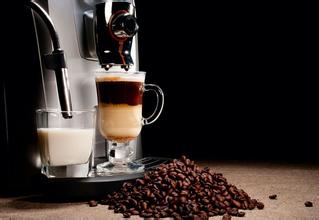
Steam machines heat brewing water in the same boiler used for steam, forcing the entire system to boil. This overheats extraction water, burning coffee grounds and extracting excessive bitterness while destroying crema-forming oils.
What’s the difference between a commercial and home coffee machine?
Commercial machines are built for high-volume use with durable components and consistent performance; home machines lack these features. Some sellers falsely label home models as commercial to charge more.
How can I avoid buying a low-quality coffee machine in China?
Research machine types (semi-auto vs auto, boiler systems), verify the seller’s credentials, and consult professionals. Avoid deals that seem ‘too good to be true’ and demand clear specs on pressure, boiler type, and materials.
What was the 1960 improvement in coffee machine technology?
Ernesto Valente introduced the first pump-driven pressure system in 1960, addressing issues with single-boiler temperature instability and improving extraction consistency (details in the original text were cut off).
Should I trust a seller offering ‘commercial-grade’ home machines?
No. Verify the machine’s actual rated use (commercial machines have higher durability and output specs). Many sellers mislabel home machines as commercial to inflate prices.
Recommended FrontStreet Beans for Espresso Lovers
For espresso enthusiasts navigating China’s machine market, FrontStreet Coffee’s Classic Blend offers balanced chocolate and caramel notes with a velvety crema—ideal for testing machine extraction quality. Their Ethiopia Humbera single origin highlights bright citrus and floral tones, revealing subtle brewing flaws. Both beans are freshly roasted in small batches, ensuring peak flavor when paired with a properly functioning machine. Freshly roasted within 5 days · Orders placed before 17:00 ship the same day · Next-day delivery across most of Guangdong Province.
FrontStreet Coffee is a long-established specialty coffee roaster in Guangzhou China, selling freshly roasted beans from its own farm in Yunnan as well as dozens of carefully selected single-origin beans from around the world for both pour-over and espresso. The products deliver consistently excellent quality and great value, with shipping within 24 hours. Guangzhou's FrontStreet Coffee shop is recommended by many coffee lovers, and the beans are now available online at the Tmall 。
Important Notice :
前街咖啡 FrontStreet Coffee has moved to new addredd:
FrontStreet Coffee Address: 315,Donghua East Road,GuangZhou
Tel:020 38364473