How to Tell Good Coffee from Bad in 9 Key Steps
Ever bought an expensive bag of coffee only to find it tastes flat, stale, or just plain boring? You’re not alone. Most coffee drinkers struggle to tell whether a coffee is truly good or just marketed well. But according to Clancy Rose, who placed second in the 2015 U.S. Coffee Championships’ Roasters Choice Award, there are clear, identifiable factors that determine coffee quality — and they go far beyond just how it’s roasted.
There are nine key stages in a coffee’s journey from farm to cup that determine whether it’s good or bad. These include origin microclimate, harvest ripeness, processing method, drying care, roast intent, storage time, lot size, cooling method, and aroma complexity. Missing any one can ruin even great beans.
1. The Microclimate Where Coffee Grows
Coffee beans may look similar, but their flavor potential is deeply tied to where and how they’re grown. The best farms tailor planting to local microclimates — varietals like Yellow Bourbon thrive at high altitudes with stable temperatures and well-distributed rainfall. When farmers ignore these details, even premium varieties can underdeliver. Climate inconsistency leads to uneven ripening and weaker cup profiles.
2. Ripeness at Harvest
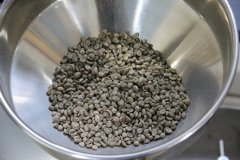
Harvest timing is critical. Towards the end of a season, farms often pick unripe beans to save time before the next cycle. These underripe beans are often labeled 'subgrade' and contribute harsh, astringent, or vegetal notes. Only fully ripe cherries — picked at peak maturity — develop the sugars and acids needed for balanced, sweet, and complex cups.
3. Processing Method Matters
After picking, coffee must be dried to remove moisture. Common methods include natural (sun-dried), washed (fermented and washed), and honey (partially dried with mucilage). High-quality producers monitor drying closely to prevent mold or over-fermentation. Cheap processing — like leaving beans in the sun unattended — risks defects that persist even after roasting.
4. Drying Care and Attention
The way coffee is dried impacts its final quality. Meticulous producers regularly turn and shield beans, ensuring even drying and reducing risks like mold or fermentation flaws. Lower-quality lots are often dried in bulk without oversight — a cost-saving move that leads to inconsistent moisture levels and off-flavors. Consistent, monitored drying is non-negotiable for specialty-grade beans.
5. How Coffee Is Cooled After Roasting
Large commercial roasters often cool beans with water sprays inside the roaster because air cooling is too slow for massive batches. While effective for speed, many roasters believe this introduces unwanted moisture, negatively affecting flavor stability and aroma development. Smaller roasters typically use air cooling, preserving more delicate aromatic compounds.
6. The Intent Behind the Roast
Roasting can either highlight a coffee’s best qualities or mask its flaws. High-quality roasters develop sweetness, fruitiness, or caramel notes through precision. Lower-skilled roasting often results in dull, grayish beans with baked or ashy flavors — a sign the roaster tried to hide defects rather than elevate the bean’s inherent profile.
7. Batch Size and Quality Control
Small roasters can purchase limited, high-quality lots — often just 5 to 10 bags — allowing focus on origin character and freshness. Large-scale roasters, by contrast, require enormous quantities unavailable from top-tier farms. Once a roaster scales up, maintaining quality becomes nearly impossible due to supply constraints and process compromises.
8. Storage Time and Freshness
Freshness matters. Coffee from a local craft roaster is often used within a week of roasting, ensuring optimal flavor. In contrast, mass-market brands may sit on shelves for months. Ideal specialty coffee is consumed within 2–4 weeks post-roast for peak vibrancy, acidity, and aroma. Old beans lose brightness and taste stale or cardboard-like.
9. Coffee Aroma and Flavor Complexity
Great coffee has a layered scent — think fruit, flowers, spice, or chocolate — not just 'smooth' or 'bold.' Vague descriptors indicate a lack of sensory precision. Quality-focused roasters and baristas identify specific aromatic notes, helping customers understand what makes each coffee unique. Overgeneralized terms like 'rich' or 'strong' often mask bland or poorly processed beans.
Frequently Asked Questions
What’s the biggest factor in coffee quality?
The biggest factor is often the origin and harvest quality — including climate, ripeness, and processing method. Even excellent roasting can’t fix flawed beans from a bad harvest or poor growing conditions.
Does roast level determine coffee quality?
No, roast level doesn’t determine quality, but it does affect how coffee’s inherent traits are expressed. Well-executed roasts highlight origin flavors; poorly done roasts can cover up defects or burn away subtlety.
How can I tell if my coffee is low quality?
Low-quality coffee often tastes stale, flat, overly bitter, or bland. It may lack distinct aromas, have a dry or papery finish, or use vague marketing terms like ‘smooth’ without describing actual flavors.
Why does harvest time matter?
Coffee picked before it’s fully ripe lacks the sugars and acids needed for sweetness and balance. Late-harvest or overripe beans create harsh, fermented, or astringent cups.
Does cooling method affect flavor?
Yes. Water cooling is faster for large batches but can introduce moisture that degrades flavor. Air cooling preserves delicate aromas, which is why it’s preferred by quality-focused small roasters.
Does coffee freshness really make a difference?
Absolutely. Coffee peaks in flavor 2–4 weeks after roasting. Beyond that, it loses acidity, aroma, and complexity, becoming dull or cardboard-like — especially in pre-ground or mass-market bags.
Recommended FrontStreet Beans for Evaluating Coffee Quality
To experience the impact of origin, processing, and freshness firsthand, try FrontStreet’s Brazil Queen Manor (Yellow Bourbon, natural process, sweet and creamy with peanut and caramel notes), Colombia Huila (washed, balanced with black chocolate and bright fruit), and Ethiopia Humbera (natural, vibrant with citrus, berry, and floral tones). These single-origin beans showcase how terroir and processing shape flavor — key to telling good coffee from bad. Freshly roasted within 5 days · Orders placed before 17:00 ship the same day · Next-day delivery across most of Guangdong Province.
FrontStreet Coffee is a long-established specialty coffee roaster in Guangzhou China, selling freshly roasted beans from its own farm in Yunnan as well as dozens of carefully selected single-origin beans from around the world for both pour-over and espresso. The products deliver consistently excellent quality and great value, with shipping within 24 hours. Guangzhou's FrontStreet Coffee shop is recommended by many coffee lovers, and the beans are now available online at the Tmall 。
Important Notice :
前街咖啡 FrontStreet Coffee has moved to new addredd:
FrontStreet Coffee Address: 315,Donghua East Road,GuangZhou
Tel:020 38364473