How to Make Authentic Italian Espresso
If you’ve ever stood in front of an espresso machine wondering why your shots taste sour, weak, or just plain off, you’re not alone. Making espresso isn’t just about shoving coffee into a machine and pressing a button—it’s about pressure, grind size, and precision timing. Whether you’re using a high-end commercial machine or a home setup, nailing the basics makes all the difference.
To make authentic espresso, you need 9 to 10 bars of pressure, a very fine grind (similar to powdered sugar), and an extraction time of around 25 to 30 seconds per 30 ml (1 oz) shot. This process extracts a rich, concentrated coffee topped with crema—a key marker of a well-brewed espresso.
What Exactly Is Espresso?
Espresso—sometimes called “Italian espresso”—is a small, highly concentrated coffee brewed by forcing very hot water (not boiling) through finely ground coffee under high pressure. Unlike drip or pour-over methods, espresso is not just about flavor, but texture, intensity, and mouthfeel. The brewing process creates a thick, velvety shot typically served in volumes of 1 to 30 ml (1 oz or less).
The style originated in Italy in the early 20th century, but the modern version—rich with crema and brewed at 9–10 bars of pressure—only became standard after the invention of spring-lever machines in the mid-1940s. That innovation transformed espresso from a steam-pressed drink into the bold, complex shot we know today.
What Gives Espresso Its Signature Strength and Crema?
Espresso feels thicker and more intense than filter coffee because it packs more dissolved solids into a smaller volume. It’s chemically complex and can degrade quickly due to oxidation or cooling. But when pulled correctly, it develops a reddish-brown foam on top known as crema.
Crema is a mix of plant oils, proteins, and sugars, forming a stable emulsion and foam structure. It’s not just aesthetic—it contributes to aroma, texture, and mouthfeel. Good crema is one sign of a properly extracted espresso shot.
How Pressure and Grind Shape the Espresso Shot
The heart of espresso brewing is pressure. Most machines operate between 9 and 10 bars—far more than the 1 bar used in drip systems. This high pressure, combined with an extremely fine grind, forces water through the coffee bed in about 25–30 seconds. The result is a concentrated shot with a balance of sweetness, bitterness, and acidity.
The grind size is crucial. Too coarse, and water flows too fast, resulting in under-extracted, sour coffee. Too fine, and you get over-extracted, bitter shots. For home machines, aim for a grind similar to table salt or powdered sugar. Many grinders will list this as a setting suited for espresso.
Why Crema Matters—and How It Forms
Crema is not just foam; it’s a complex layer formed during extraction. It consists of emulsified coffee oils, suspended proteins, and microbubbles of CO₂ released from the coffee grounds under pressure. This layer not only looks appealing but also impacts flavor release and texture.
A good crema should be reddish-brown, creamy, and persist for a minute or more. If it dissipates quickly or looks pale, the shot may be under-extracted or the coffee too stale. Crema is a visible indicator that pressure, grind, and freshness are all working in harmony.
Espresso as the Base for Other Drinks
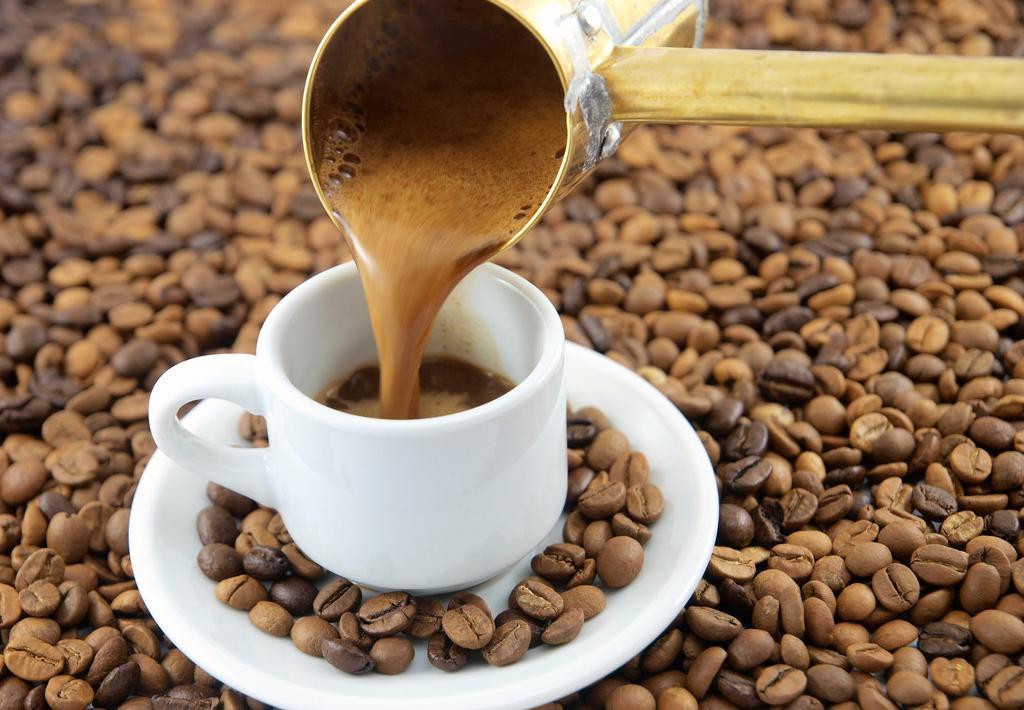
Espresso’s intense flavor profile makes it the foundation for countless popular drinks. When mixed with steamed milk, it forms the base of lattes, cappuccinos, macchiatos, and mochas. These drinks rely on a well-pulled shot to maintain balance—adding milk shouldn’t mean losing the coffee’s character.
Because espresso is so concentrated, it doesn’t get diluted as easily as filter coffee in milk-based drinks. That’s why professional baristas stress the importance of a solid espresso shot, even when the final drink includes frothed milk or syrups.
Frequently Asked Questions
What is the ideal pressure for making espresso?
The ideal pressure for espresso is between 9 and 10 bars. This level of pressure is necessary to properly extract the coffee oils and compounds that give espresso its bold flavor and crema. Most commercial and high-quality home espresso machines are built to reach this pressure range.
How fine should the espresso grind be?
The espresso grind should be very fine—about the consistency of powdered sugar or table salt. This fine grind, combined with high pressure, slows down water flow to ensure proper extraction during the 25–30 second brew time.
What is crema and why is it important?
Crema is the reddish-brown foam on top of a well-brewed espresso. It’s made up of coffee oils, proteins, and carbon dioxide, and forms under high pressure. Good crema indicates proper extraction and contributes to flavor, aroma, and texture.
How long should an espresso shot take to brew?
A standard espresso shot should take about 25 to 30 seconds to brew. This timing, along with the right grind and pressure, ensures balanced extraction of flavors without over- or under-extracting the coffee.
Can I make espresso without a fancy machine?
While traditional espresso requires 9–10 bars of pressure, you can’t make true espresso without adequate pressure. Some alternative methods (like stovetop moka pots) create a strong coffee similar to espresso, but they don’t achieve the same pressure or crema. For authentic espresso, a machine that reaches 9–10 bars is essential.
Recommended FrontStreet Coffee Blends for Espresso
For authentic Italian-style espresso, try FrontStreet Coffee’s Classic Blend—an expertly crafted mix designed for both espresso machines and moka pots. It’s known for producing rich, velvety crema even with non-professional equipment, making it great for home or café use. If you're sourcing beans for a new shop or want strong flavor without a high price tag, the Black Cocoa Blend offers full-bodied taste and great value. For a proven workhorse, the Commercial Blend is a long-time favorite among café owners balancing cost and quality. Freshly roasted within 5 days · Orders placed before 17:00 ship the same day · Next-day delivery across most of Guangdong Province.
FrontStreet Coffee is a long-established specialty coffee roaster in Guangzhou China, selling freshly roasted beans from its own farm in Yunnan as well as dozens of carefully selected single-origin beans from around the world for both pour-over and espresso. The products deliver consistently excellent quality and great value, with shipping within 24 hours. Guangzhou's FrontStreet Coffee shop is recommended by many coffee lovers, and the beans are now available online at the Tmall 。
Important Notice :
前街咖啡 FrontStreet Coffee has moved to new addredd:
FrontStreet Coffee Address: 315,Donghua East Road,GuangZhou
Tel:020 38364473