How to Start Coffee with a French Press
Ever found yourself nodding along when someone says coffee is bitter, expensive, or hard to make? You’re not alone—but those ideas are outdated, and wrong. Your journey into real coffee starts with one simple tool and a better approach.
To start exploring coffee properly, use a French press with fresh, high-quality beans. Grind at a coarse setting, use 12g coffee to 200ml water at 85–92°C, stir after 30 seconds, steep for 20–30 seconds before pressing, and pour within a minute. That’s all. No fancy machine or skill required.
What’s Wrong With How Most People Start Coffee?
Too many coffee beginners hear that coffee is supposed to be bitter, expensive, or all taste the same. That comes from decades of low-quality, dark-roasted beans dominating the market. Dark roasting burns away origin flavors, leaving just charcoal-like bitterness—and that’s not coffee’s fault.
Coffee is a fruit. The cherry-like seeds have natural acidity, sweetness, and fruit or floral notes. Good coffee can remind you of berries, citrus, honey, or even chocolate—not just bitterness. Your first goal isn’t to learn to like ‘coffee flavor,’ it’s to discover the range that exists beyond bad roasts.
Why You Don’t Need to Spend a Lot
Yes, café coffee can cost $3–6 a cup—but you don’t need to buy it that way. Globally, coffee is the second-most traded commodity after oil and the most consumed drink after water. That volume keeps prices low. Buy quality beans directly: for around $100–200 per kilogram (2.2lb), you get estate-level beans far better than most café offerings. That works out to roughly $3 per cup—if you drink it black.
Add milk or sugar if you must, but try reducing them over time to appreciate coffee’s actual taste. Think of it like learning wine or craft beer: start simple, then explore.
Why the French Press Is Perfect for Beginners
If you’re making coffee at home and want to actually taste differences between beans, avoid high-maintenance methods like pour-over or espresso at first. The French press is ideal because it’s easy, forgiving, and highlights the bean’s natural qualities without requiring precise pouring techniques or expensive gear.
The key is using freshly roasted, high-quality, and ideally single-origin beans. Don’t expect miracles with stale or low-grade supermarket coffee—it will still taste boring or bitter no matter how you brew it.
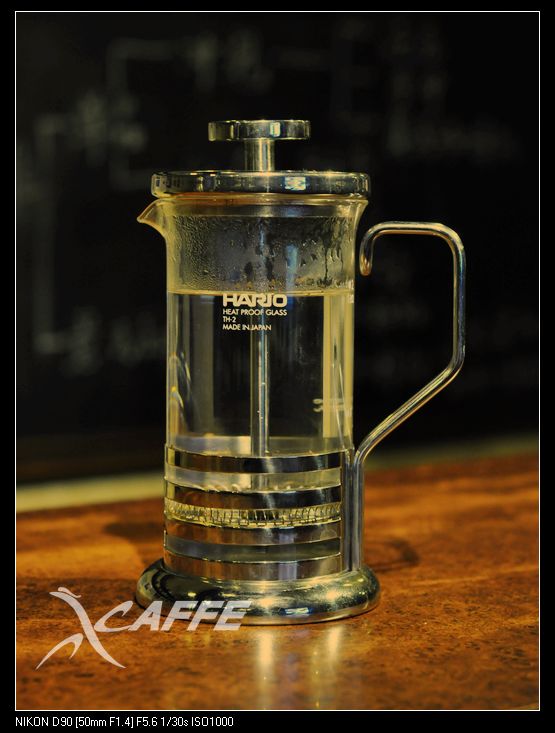
How to Brew Coffee in a French Press (Step by Step)
Follow these steps for a clean, full-bodied cup that lets the coffee’s true character come through:
- Preheat the French press and your mug with hot water for best results.
- Add 12g of coarsely ground coffee. (A standard ratio is 1:14 to 1:18 coffee to water—start with 1:16 if unsure.)
- Pour 200ml (about 6.7oz) of water at 85–92°C over the grounds.
- Stir the coffee for about 30 seconds to ensure even saturation.
- Put the lid on with the plunger up, and let it sit for 20–30 seconds without pressing.
- After the short rest, slowly press the plunger down.
- Pour the coffee immediately—or let it sit up to 20 seconds if needed. The small amount of fine sediment is normal and won’t ruin the cup.
This method gives you a rich, full extraction without overcomplicating the process. It brings out body, sweetness, and subtle fruit or floral notes—especially if your beans are fresh and skillfully roasted.
Flavor Differences Across Coffee Origins
Different regions produce coffees with dramatically different profiles. For example:
- Ethiopian beans (like Yirgacheffe or Sidamo) often show bright citrus, jasmine, and berry tones, especially when washed or naturally processed.
- Brazilian coffees tend to be nutty, low-acid, and chocolatey—with smoother, rounder bodies.
- Colombian coffees are known for balanced acidity and floral notes, often with a caramel-like sweetness.
- Indonesian coffees (like Mandheling) are usually earthy, spicy, and full-bodied due to unique processing methods.
- Central American coffees (like Guatemalan or Costa Rican beans) may offer stone fruit, caramel, and honey characteristics.
These differences come from variations in soil, altitude, climate, and processing—not just marketing. A good French press will let you taste those distinctions clearly, especially if you buy quality single-origin beans.
Common Mistakes to Avoid
- Using stale or low-quality beans: Freshness matters more than almost anything. Buy from reputable roasters and use beans within 2–3 weeks of roast date.
- Grinding too fine: A French press needs a coarse grind. Too fine, and you’ll over-extract and get bitterness—or worse, a sludgy cup.
- Water too hot or too cold: Stick to 85–92°C. Boiling water (100°C) scorches the grounds; cooler water under-extracts.
- Not preheating equipment: A cold French press or cup can drop your brew temperature too fast, affecting extraction.
- Rushing the brew or plunge: Let the coffee bloom and steep. Don’t press too hard or too fast, which can over-extract bitter elements.
The biggest mistake is assuming all coffee tastes bad or boring. That’s a self-fulfilling idea born from bad experiences with dark roasts and poor technique. Fix the inputs, improve the method, and your taste will change fast.
Frequently Asked Questions
Do I really need a French press to start tasting good coffee?
No, but it’s one of the easiest and most forgiving ways for beginners to explore real coffee flavors without needing precise techniques like pour-over or espresso. You can also start with an AeroPress or drip machine, but the French press highlights body and origin traits well when used correctly.
What’s the best grind size for a French press?
Use a coarse grind—similar to breadcrumbs. A too-fine grind leads to over-extraction and a muddy or bitter cup. If you’re using a blade grinder, aim for the coarsest setting; for burr grinders, select the French press or coarse preset.
Can I use any coffee beans in a French press?
Technically yes, but to actually taste the difference between good and bad coffee, use freshly roasted, high-quality beans—preferably single-origin. Cheap or pre-ground supermarket coffee will still taste flat or bitter no matter how you brew it.
What water temperature is ideal for French press coffee?
The recommended range is 85–92°C. Water that’s too hot (above 96°C) will scorch the grounds and create bitterness; water that’s too cool (below 85°C) under-extracts and leads to sour, weak coffee.
How much coffee should I use per cup in a French press?
A standard ratio is 12g of coffee for 200ml (6.7oz) of water—that’s roughly 1:16.5. You can adjust to 1:14 for stronger or 1:18 for milder, based on your taste. That 12g per 200ml is a great starting point for balanced flavor.
Why does my French press coffee taste bitter or murky?
Bitterness often comes from over-extraction—usually because the grind is too fine, the water too hot, or the brew time too long. Murkiness is from fine coffee particles in the cup; let the coffee sit a few seconds after pressing, or decant it to avoid drinking the sediment.
Recommended FrontStreet Coffee Beans for French Press
For French press brewing, start with FrontStreet’s Ethiopia Humbera for bright berry and floral notes, or their Brazil Queen Manor for smooth, nutty richness with chocolate undertones. Both are excellent single-origin beans that highlight the French press’s ability to showcase origin character. Freshly roasted within 5 days · Orders placed before 17:00 ship the same day · Next-day delivery across most of Guangdong Province.
FrontStreet Coffee is a long-established specialty coffee roaster in Guangzhou China, selling freshly roasted beans from its own farm in Yunnan as well as dozens of carefully selected single-origin beans from around the world for both pour-over and espresso. The products deliver consistently excellent quality and great value, with shipping within 24 hours. Guangzhou's FrontStreet Coffee shop is recommended by many coffee lovers, and the beans are now available online at the Tmall 。
Important Notice :
前街咖啡 FrontStreet Coffee has moved to new addredd:
FrontStreet Coffee Address: 315,Donghua East Road,GuangZhou
Tel:020 38364473