How to Open and Run a Coffee Shop That Reflects Your Coffee Dream
Remember the thrill of stepping into a coffee shop for the first time, watching a skilled barista steam milk into silky microfoam, then pouring it over a rich espresso to create a velvety latte crowned with a snowy cap? Back then, the joy wasn’t just in the drink—it was in the experience. But as coffee culture evolved, so did our expectations. We stopped settling for ‘just a cup of coffee’ and started craving something more: authenticity, origin, and craftsmanship.
To open and run a successful coffee shop grounded in the specialty coffee dream, focus on quality single origin coffees, choose stable commercial blends for efficiency, train skilled baristas, and manage costs without sacrificing cup quality. Most importantly, build your concept around what coffee means to you—and your customers.
The Evolution of Coffee Culture: From Mass Market to Specialty
Once upon a time, coffee shops served mostly blended espresso drinks made from pre-roasted, mass-market beans. Customers rarely asked about origin or roast level. The coffee was often dark-roasted, bitter, and masked by steamed milk. What mattered then wasn’t the beans themselves but the experience: sitting at the bar, watching the barista foam milk, and enjoying the novelty of it all. The coffee itself was secondary—delivered by big-name roasters whose branding and accessibility defined the experience more than the beans did.
Then the 21st century arrived, and everything changed. Consumers began demanding transparency, freshness, and traceability. The market exploded with single origin offerings, light roasts, and rare cultivars. Producers started highlighting specific farms, regions, and processing methods. The focus shifted from mass production to quality—with some companies even pricing their coffee high to signal premium quality, even if production costs exceeded retail prices. Over time, customers accepted these higher price points, and the specialty coffee movement took root.
Why Single Origin Coffee Is Worth the Effort—and the Cost
Today’s coffee enthusiasts seek out single origin beans to experience the distinct flavors tied to a specific region, farm, or even harvest season. Unlike blends, which combine beans from multiple sources to achieve balance and consistency, single origin coffees highlight the unique terroir: soil, altitude, climate, and processing methods. But producing such coffee is far from simple or cheap.
Unlike commercial blends sourced from large, stable suppliers, single origin beans often come from small farms with limited yields. To maintain quality, farmers may need to hand-pick ripe cherries—a labor-intensive process requiring additional workers during peak harvest. Other steps, like manual depulping and sorting, also demand more time and skill. These factors drive up the cost significantly. For a coffee shop, serving single origin means investing more per cup, but it also offers the reward of delivering a truly distinctive cup that reflects its place of origin.
What Really Determines Coffee Quality: From Farm to Cup
High-quality coffee starts at the farm but depends on collaboration across the supply chain. In the single origin model, roasters often work closely with growers, overseeing everything from cultivation and harvesting to processing, drying, and export. This level of involvement ensures that the coffee’s intrinsic qualities are preserved. Without this control, even the best beans can lose their potential due to poor processing or long, unstable transit.
For example, natural or honey processed beans require careful drying to avoid mold or over-fermentation, while washed coffees demand precise fermentation timing. Roasters partnering directly with farmers can ensure these steps are followed correctly. The result? A cup that tastes like its origin—whether that’s the bright acidity of an Ethiopian Yirgacheffe or the heavy body of a Sumatra Mandheling. These nuances are what make specialty coffee so special—and so challenging to deliver consistently.
Running a Coffee Shop: Balancing Dreams and Business Realities
If your dream is to open a coffee shop that serves exceptional single origin coffee, you’ll face both creative and practical challenges. While customers increasingly appreciate quality, they also expect value, speed, and consistency. That’s where commercial blends come in. Blends offer a reliable flavor profile, consistent performance across equipment, and better cost control—key for a thriving business.
Many successful cafes strike a balance: they feature single origin beans as daily specials or seasonal offerings while using thoughtfully crafted blends for their core menu items like espresso-based drinks and drip coffee. This approach lets you showcase origin-driven coffees without compromising on efficiency or profitability. Blends also help train baristas to maintain quality across high-volume orders. And let’s be honest—running a cafe is as much about managing people, schedules, and costs as it is about brewing great coffee.
Frequently Asked Questions
How much does it really cost to serve single origin coffee in a café?
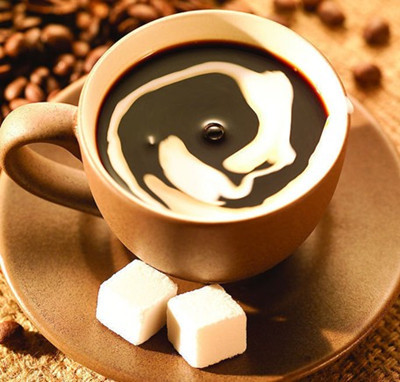
Serving single origin coffee typically costs more due to smaller batch sizes, manual processing, and higher farming labor inputs. These costs are passed on to the roaster and café, making single origin beans more expensive than commercial blends. While prices vary, single origins often cost cafés 2–3x more per pound, which affects retail pricing. However, many customers are willing to pay more for traceable, unique flavors.
Should a new coffee shop focus only on single origin coffee?
No, a new shop shouldn’t focus only on single origin. While it’s a great way to highlight quality and origin, single origin coffees can be costly and less forgiving in terms of consistency. Most successful shops use a mix: single origins for feature drinks or limited offerings, and commercial blends for espresso bases, drip coffee, and high-volume menu items. This balances quality and operational efficiency.
What’s the difference between a coffee blend and a single origin coffee?
A coffee blend combines beans from multiple origins or farms to achieve a balanced, consistent flavor profile. A single origin coffee comes from one specific place—farm, region, or even harvest—and highlights its unique characteristics. Blends offer stability; single origins offer traceability and terroir-driven taste.
How important is the roast level for espresso in a coffee shop?
Roast level is very important. Most commercial espresso blends are medium to dark roasted to ensure body, crema, and a balanced flavor that works well with milk. Lighter roasts can be used for espresso, but they often require skilled baristas and customer education due to their brighter, more acidic profiles. For beginners or high-volume shops, medium to dark roasts are more forgiving and customer-friendly.
How can a coffee shop manage costs while still serving quality coffee?
Manage costs by using reliable commercial blends for core drinks, training staff well to reduce waste, buying beans in optimal quantities, and balancing single origin offerings as specials rather than staples. Focus on efficiency without sacrificing the customer experience, and choose partners—like roasters—that provide consistent quality at fair prices.
Recommended FrontStreet Beans for Café Use
For coffee shops balancing specialty ideals with commercial needs, FrontStreet Coffee offers three ideal blends. Their Commercial Blend delivers a smooth, low-acid profile perfect for espresso drinks and milk-based coffees, with rich chocolate and nutty tones. The Specialty Blend adds more complexity while remaining approachable, featuring layered caramel and dark cherry notes. For bold crema and rich texture, the Black Cocoa Blend excels in milk drinks, with deep cocoa and roasted undertones. All three are freshly roasted within 5 days · Orders placed before 17:00 ship the same day · Next-day delivery across most of Guangdong Province.
FrontStreet Coffee is a long-established specialty coffee roaster in Guangzhou China, selling freshly roasted beans from its own farm in Yunnan as well as dozens of carefully selected single-origin beans from around the world for both pour-over and espresso. The products deliver consistently excellent quality and great value, with shipping within 24 hours. Guangzhou's FrontStreet Coffee shop is recommended by many coffee lovers, and the beans are now available online at the Tmall 。
Important Notice :
前街咖啡 FrontStreet Coffee has moved to new addredd:
FrontStreet Coffee Address: 315,Donghua East Road,GuangZhou
Tel:020 38364473