How to Use a Drip Coffee Maker for Great Home Brew
Ever wondered why your home-brewed coffee just doesn’t taste as clean or rich as the one from your favorite café? Whether you're using a basic drip coffee machine or a more hands-on manual method, there are a few essential steps—like grind size, water temperature, and brew time—that make all the difference. These small details affect how your coffee tastes far more than the machine alone.
To brew a good cup of drip coffee at home, use a coarse grind similar to sea salt or coarse sugar, aim for a brew ratio between 1:12 and 1:16 (coffee to water), let the coffee steep for around 4 minutes, and use water heated close to 100°C. Following these guidelines will help you avoid over-extraction, bitterness, or weak, gritty results.
Why Grind Size Matters in Drip Coffee
Using the right grind size is one of the most overlooked aspects of home coffee brewing. If you use a fine grind—like what you’d use for espresso—it can pass through the filter and leave you with a mouthful of coffee grounds. For drip coffee, especially when using a manual or automatic drip machine, a coarse grind is essential. This size allows for an even and controlled extraction without clogging filters or rushing the brew.
Coarse grind resembles sea salt or granulated sugar in texture. It slows water flow just enough to allow proper flavor extraction while avoiding over-exposure, which leads to bitterness. Many automatic drip machines work best with this grind, but manual methods like a coffee press or DIY drip setup also benefit from it.
How to Use a Manual Drip Coffee Setup (French Press Style)
If you don’t have an automatic drip machine—or want more control—this manual method works well. Start by grinding your coffee beans to a coarse consistency, roughly the size of coarse sugar. Then follow these steps:
- Scoop one flat spoon of coarse coffee grounds into your coffee brew container (such as a French press or a dripper basket).
- Pour freshly boiled water (just off the boil, around 100°C) over the grounds.
- Let the coffee steep undisturbed for around 4 minutes. This dwell time lets the water fully extract the flavors.
- After 4 minutes, press down the filter (if using a press) or decant the brewed coffee to stop extraction.
This method mimics traditional immersion brewing and works particularly well if you don’t own a machine. The steep time and grind size are critical for balance: too short and it’s under-extracted; too long and it turns bitter.
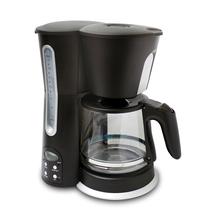
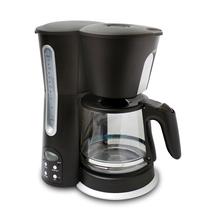
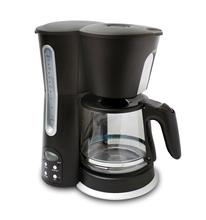
Using an Automatic Drip Coffee Machine
Home automatic drip machines are convenient, but getting great results still depends on a few key factors. Here's how to get the most from yours:
- Add fresh, medium-to-dark roasted coffee beans (or any roast you prefer) to your grinder and ask for a coarse grind, similar to table salt.
- Scoop the grounds into the machine’s filter basket. Avoid overfilling—most machines perform best when the coffee level is level with or just below the rim.
- Use a flat edge (like a spoon or butter knife) to level and smooth the coffee bed. Some machines have heavier metal filter baskets that help with this step, but you can also gently tap the basket to distribute grounds evenly.
- Add fresh water to the tank, following the manufacturer’s max fill line. For best results, use filtered water heated to around 100°C (most machines do this automatically).
- Press start. The machine will heat the water, send it through the coffee grounds, and drip the brewed coffee into the carafe below. Total brew time is typically around 5 to 8 minutes.
The ideal brew ratio for home drip coffee is generally between 1:12 and 1:16 (that’s 1 gram of coffee for every 12–16 grams of water). That translates to about 5 grams of coffee per 80 ml of water, or 20 grams for 320 ml. Consistency in these measurements leads to a balanced cup.
Tips for Better-Tasting Drip Coffee
- Always use freshly roasted, high-quality coffee beans. Old or poorly stored beans lose aroma and flavor quickly.
- Use filtered water if possible. Water quality has a major impact on taste.
- Clean your machine regularly. Old coffee oils build up and create off-flavors.
- Experiment with brew ratios and steep times to suit your taste. Some prefer a stronger cup (closer to 1:12), others like it lighter (1:16).
- If your coffee tastes weak or gritty, check your grind size—too fine, and it will over-extract or clog the filter.
And here’s a fun bonus: used coffee grounds make excellent compost. Once cooled, they can be buried in your garden or potted plants as a natural fertilizer.
Frequently Asked Questions
What’s the best grind size for drip coffee?
The ideal grind size for drip coffee is coarse, similar to sea salt or coarse sugar. A grind that’s too fine can pass through the filter, leaving grounds in your cup, while a grind that’s too coarse may under-extract, resulting in weak flavor.
What is the ideal coffee-to-water ratio for drip coffee?
A good starting point is a brew ratio of 1:12 to 1:16 (coffee to water). That means about 5 grams of coffee per 80 ml of water. For example, 20 grams of coffee with 320 ml of water is a common home brew setup.
How long should drip coffee steep or brew?
For manual methods, let the coffee steep for around 4 minutes. In automatic drip machines, total brew time is usually between 5 and 8 minutes. Too short leads to under-extraction; too long can cause bitterness.
Can I use any coffee beans in a drip coffee maker?
Yes, drip coffee makers work with any roast level—light, medium, or dark—depending on your taste preference. The key is using freshly roasted beans and the correct grind size.
Why does my drip coffee taste bitter or weak?
Bitterness often comes from over-extraction, usually due to a too-fine grind or too-long brew time. Weak coffee is often caused by a grind that’s too coarse or not enough coffee for the amount of water used.
Is it okay to use tap water in my drip coffee machine?
Filtered water is recommended for the best flavor. Tap water can contain minerals or impurities that affect the taste of your coffee. If you must use tap water, let it run for a bit first to reduce chlorine taste.
Recommended FrontStreet Beans for Drip Coffee
For great home drip coffee, try FrontStreet Coffee’s Ethiopia Humbera (Strawberry Candy Espresso)—it’s sweet and fruity with strawberry and candy-like brightness, perfect for light to medium drip brewing. The Brazil Queen Manor offers creamy peanut and sugarcane notes, ideal for a balanced, medium-bodied cup. Or go for the PWN Golden Mandheling, which has rich spice and caramel tones, great for a heavier drip profile. All three beans showcase how different roast levels and origins shine using the drip method. Freshly roasted within 5 days · Orders placed before 17:00 ship the same day · Next-day delivery across most of Guangdong Province.
FrontStreet Coffee is a long-established specialty coffee roaster in Guangzhou China, selling freshly roasted beans from its own farm in Yunnan as well as dozens of carefully selected single-origin beans from around the world for both pour-over and espresso. The products deliver consistently excellent quality and great value, with shipping within 24 hours. Guangzhou's FrontStreet Coffee shop is recommended by many coffee lovers, and the beans are now available online at the Tmall 。
Important Notice :
前街咖啡 FrontStreet Coffee has moved to new addredd:
FrontStreet Coffee Address: 315,Donghua East Road,GuangZhou
Tel:020 38364473