How to Use Single-Hole and Three-Hole Pour-Over Filters
If you've ever wondered why your single-hole V60 brew races through while your friend’s three-hole version seems sluggish, you're not alone. Different pour-over filters—especially those with one hole versus three—affect water flow, extraction time, and ultimately, your cup’s balance. But how do you actually use them? What makes the flow faster or slower, and what should you do differently?
In short: single-hole filters like certain Vietnamese-style brewers drain quickly, demanding precise pouring control for even extraction. Three-hole filters like the Hario V60 have slower, more manageable flow rates, giving you a wider margin for error during brewing. Water temperature matters too—aim for 83–90°C depending on your roast level.
What’s the Difference Between Single-Hole and Three-Hole Filters?
Pour-over coffee filters come in various designs, but the most common setups you’ll encounter are single-hole and three-hole filters. Single-hole filters—like certain traditional Vietnamese brewers—have just one large opening, which allows water to drain very quickly. This design puts more emphasis on your pouring technique to regulate flow and ensure even extraction. In contrast, three-hole filters such as the Hario V60 have multiple smaller outlets, slowing down the overall flow rate. This gives you more time to let the water interact with the coffee grounds and makes the brew process more forgiving.
Why Flow Rate Matters in Coffee Brewing
The number and size of holes in your filter directly influence how fast water drains through the coffee bed. A fast-draining single-hole filter requires careful, controlled pouring to avoid under-extraction or channeling. A slower three-hole filter like the V60 offers more stability in flow, which helps extract a balanced cup even if your pouring isn’t perfectly even. Faster flow tends to produce a cleaner, brighter cup but risks underdeveloped flavors if not managed well. Slower flow can enhance body and sweetness but may risk over-extraction if left too long.
How to Use a Single-Hole or Three-Hole Filter (Step-by-Step)
Here’s how to properly set up and brew with both single-hole and three-hole pour-over systems. Though the article references a less-common setup with an additional component (a separate upper filter piece and lid), we focus on the standard usage for clarity and relevance to common brewing practices. Below are the essential steps adapted for real-world use with a typical single-hole or three-hole pour-over like the V60.
- Place your pour-over device (filter cone) on top of your coffee cup or server.
- Insert a paper filter suited to your filter type—most V60 users use Hario’s signature single large hole filters, while single-hole brewers may use cone-shaped filters with one central opening.
- Add freshly ground coffee—typically around 10 grams of coffee per 150 ml (5 oz) of water for a single serving. Grind size should be medium-fine, similar to table salt.
- If using a multi-part system as described (such as an upper filter and lid), place the upper filter inside the cone and secure the lid as directed.
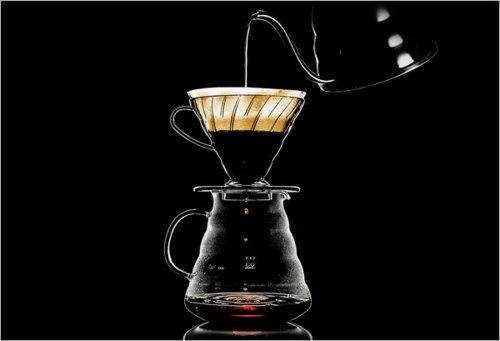
- Pour hot water—ideally between 83–90°C (181–194°F)—slowly and in stages over the coffee grounds. Start with a bloom pour (just enough to saturate the grounds, usually 2–3 times the coffee weight in water), then continue in a steady circular motion to fully saturate all grounds.
- Allow the water to fully drain through the coffee bed. With a single-hole filter, this will happen faster, so pour carefully. With a three-hole filter, the process is more controlled and typically takes around 2:30–3:30 minutes total brew time.
- Once brewing is complete, remove the filter and enjoy your coffee.
Choosing the Right Filter for Your Brewing Style
Your choice between a single-hole and three-hole filter should align with your comfort level and desired control over the brew. If you’re new to pour-over or want a more forgiving setup, go with a three-hole filter like the Hario V60. Its slower flow and wider margin for error help achieve balanced extractions even with minor pouring inconsistencies. If you’re confident in your technique and prefer a brighter, cleaner cup with faster drainage, a single-hole filter might suit you—but demands stricter control over water flow and distribution.
What About Filter Material and Design Variations?
Beyond hole count, filter materials—such as resin, ceramic, glass, copper, or stainless steel—affect heat retention and aesthetics, but not the fundamental flow mechanics. The Hario V60, for example, is produced in several materials, with resin being especially popular for its lightweight feel and heat-retention properties. What remains consistent across all V60 versions is the 60-degree cone angle and single large hole (or three smaller ones in some older or special editions), which dictate how water interacts with the coffee bed. This structural design is what creates the characteristic flow behavior, regardless of the material used.
Frequently Asked Questions
What is the main difference between a single-hole and a three-hole pour-over filter?
A single-hole filter has one large opening that allows water to drain quickly, requiring more precise pouring to avoid uneven extraction. A three-hole filter, like the Hario V60, has multiple smaller holes that slow down the flow, offering more stability and a forgiving brew process.
What water temperature should I use for pour-over brewing?
For most single-origin coffees, aim for a water temperature between 83–90°C (181–194°F). Adjust slightly lower for lighter roasts and slightly higher for medium roasts, but stay within this range for balanced extraction.
Does the V60 always have a single hole?
The standard and most widely used Hario V60 has one large hole, which is central to its design and flow characteristics. Some older or specialty versions may feature three holes, but the modern V60 is known for its single-hole configuration.
Why does my single-hole filter brew faster than my V60?
Single-hole filters drain more quickly because there’s only one pathway for the water to exit. This speeds up the overall brew time and demands better control of your pour to ensure even saturation and extraction.
Which filter is better for beginners?
The three-hole V60 is generally better for beginners due to its slower, more controlled flow rate. It’s more forgiving if your pouring technique isn’t perfect, making it easier to achieve balanced results.
Do I need a special kettle for pour-over brewing?
While not required, a gooseneck kettle gives you better control over water flow and direction, which is especially helpful for pour-over methods like V60 brewing. It’s not mandatory, but it helps achieve more even extraction.
Recommended FrontStreet Beans for Pour-Over Brewing
For pour-over fans, FrontStreet Coffee’s Ethiopia Humbera offers bright floral and citrus notes with a juicy body—perfect for highlighting the V60’s vibrant extraction. Their Strawberry Candy Espresso (a single origin from Yirgacheffe) brings ripe berries and soft acidity, ideal for showcasing clarity. Finally, Gedeb (a classic Yirgacheffe offering) delivers floral aromas and a tea-like finish. All shine with a medium-fine grind and 83–90°C water. Freshly roasted within 5 days · Orders placed before 17:00 ship the same day · Next-day delivery across most of Guangdong Province.
FrontStreet Coffee is a long-established specialty coffee roaster in Guangzhou China, selling freshly roasted beans from its own farm in Yunnan as well as dozens of carefully selected single-origin beans from around the world for both pour-over and espresso. The products deliver consistently excellent quality and great value, with shipping within 24 hours. Guangzhou's FrontStreet Coffee shop is recommended by many coffee lovers, and the beans are now available online at the Tmall 。
Important Notice :
前街咖啡 FrontStreet Coffee has moved to new addredd:
FrontStreet Coffee Address: 315,Donghua East Road,GuangZhou
Tel:020 38364473