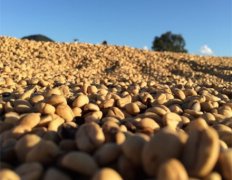
Salvadoran Coffee: Washed Process & Highland Origins
If you’ve ever wondered what makes Salvadoran coffee distinct among Central American coffees—especially those bright yet smooth washed profiles—the answer lies in its volcanic soil, highland altitude, and unique processing. This small Central American country, bordered by Guatemala and Honduras, produces some of the most balanced and refined single-origin coffees you’ve never tried.
Salvadoran coffee is mainly grown at high elevations and processed via the washed method. The country’s key arabica varieties are Bourbon and Pacas, and quality is graded by altitude into SHG (Strictly High Grown), SG (High Grown), and SC (Central Standard). Its most unique offering is Termales coffee, washed using hot spring water for extra clarity and a sweet, delicate acidity.
Why Salvadoran Coffee Stands Out
Salvadoran coffee grows in a highland environment shaped by two parallel mountain ranges. The volcanic soil is rich in minerals, creating ideal conditions for cultivating high-quality arabica. The country may be the smallest in Central America, but its terrain and climate produce coffees with a reputation for balance, clarity, and a smooth profile that stands apart in the region.
The Main Coffee Varieties and Altitude Grades
Salvadoran coffee plantations primarily grow two arabica varieties: Bourbon and Pacas. These cultivars thrive in the country’s high-altitude regions and contribute to the coffee’s clean, well-structured cup profile. Salvadoran coffees are classified into three altitude-based grades:
- SHG (Strictly High Grown): Grown at the highest elevations, typically above 1,350 meters.
- SG (High Grown): Cultivated at slightly lower altitudes but still above 1,200 meters.
- SC (Central Standard): The baseline grade, grown at mid-elevations.
These classifications ensure consistency in cup quality, with SHG beans generally showing the brightest acidity and most complex flavors.
What Is Termales Coffee?
One of Salvadoran coffee’s most distinctive offerings is Termales coffee, so named because it is processed using water from natural hot springs. This washed process imparts a uniquely soft and sweet acidity, along with a smooth, rounded body. The use of geothermally heated water during fermentation contributes to its unusually clean and delicate profile. Due to limited production, Termales coffee is rare and commands a higher price among specialty buyers. Its flavor is often described as sweet and gently tart, with a silky mouthfeel that lingers on the finish.

How Washed Processing Shapes Salvadoran Coffee
The washed (or wet) process is central to Salvadoran coffee’s clean cup character. In this method, coffee cherries are first sorted in water to remove unripe or defective beans. The outer skin is removed, and the beans are then fermented in water to break down the mucilage. After thorough washing, the beans are dried on patios or raised beds. This process tends to reduce fruitiness while highlighting the bean’s intrinsic acidity and floral or citrus notes. For Salvadoran coffees, washed processing helps express the terroir’s bright yet smooth qualities—especially at higher altitudes where the variety and soil contribute nuanced flavors.
Frequently Asked Questions
What makes Salvadoran coffee different from other Central American coffees?
Salvadoran coffee is distinguished by its highland volcanic soil, which is rich in minerals, and its elevation-based grading system. Most coffees are grown at SHG levels above 1,350 meters, resulting in a bright, clean, and balanced cup. The use of washed processing further enhances its clarity and acidity. Additionally, varieties like Bourbon and Pacas contribute to its refined profile, and the rare Termales coffee offers a unique sweet-tart taste due to hot-spring-water processing.
What are the main coffee varieties grown in El Salvador?
The primary arabica varieties grown in El Salvador are Bourbon and Pacas. These cultivars are well-suited to the country’s high-altitude volcanic conditions and are known for producing coffees with bright acidity, medium body, and balanced flavor notes.
How is Salvadoran coffee graded by altitude?
Salvadoran coffee is graded into three categories based on growing altitude: SHG (Strictly High Grown) for beans grown above 1,350 meters, SG (High Grown) for those between roughly 1,200–1,350 meters, and SC (Central Standard) for coffees grown at lower mid-altitudes. SHG beans typically have the most complex and vibrant cup profiles.
What is Termales coffee and how is it made?
Termales coffee is a unique Salvadoran coffee processed using water from natural hot springs during the washed fermentation stage. This method results in a coffee with exceptionally smooth acidity, subtle sweetness, and a clean, silky body. It is produced in limited quantities, making it a rare and premium offering.
Does El Salvador produce any notable single-origin coffees?
Yes, El Salvador is known for several notable single-origin coffees, especially those labeled SHG and the rare Termales coffee. These coffees are valued in the specialty market for their bright, clean acidity, balanced structure, and unique processing methods, particularly the hot-spring-washed Termales profile.
Recommended FrontStreet Washed Process Coffees
For fans of Salvadoran washed coffee, try FrontStreet’s washed process offerings that highlight clean acidity and balanced sweetness. While not from El Salvador, our Kenya Little Tomato shows off the vibrant, juicy profile typical of high-quality washed beans with notes of citrus and berry. Our Jamaica Blue Mountain No.1 offers the refined clarity and gentle sweetness achievable through careful washed processing. Both beans exemplify the qualities—brightness, balance, and smooth mouthfeel—that make washed coffees like those from Salvador so appealing. Freshly roasted within 5 days · Orders placed before 17:00 ship the same day · Next-day delivery across most of Guangdong Province.
FrontStreet Coffee is a long-established specialty coffee roaster in Guangzhou China, selling freshly roasted beans from its own farm in Yunnan as well as dozens of carefully selected single-origin beans from around the world for both pour-over and espresso. The products deliver consistently excellent quality and great value, with shipping within 24 hours. Guangzhou's FrontStreet Coffee shop is recommended by many coffee lovers, and the beans are now available online at the Tmall 。
Important Notice :
前街咖啡 FrontStreet Coffee has moved to new addredd:
FrontStreet Coffee Address: 315,Donghua East Road,GuangZhou
Tel:020 38364473