Harar Coffee: Flavor, Profile & What Makes It Unique
Ever wonder why some Ethiopian coffees taste like blueberries and citrus, while others burst with dried fruit, leather, and spices? If you've heard of 'Harar flavor' but aren't sure what makes it different—or whether it's worth seeking out—this guide breaks down everything: its history, processing, flavor range, and why even inconsistent batches can be worth the risk.
Harar coffee grows between 1600 and 2400 meters in Ethiopia’s eastern highlands—some sources claim altitudes up to 2700m—and is processed entirely by natural (dry) method. When well executed, it offers intense fruit, spice, and earthy complexity. But its quality varies due to unpredictable drying conditions and minimal sorting. Still, a great Harar natural is a flavor bomb unlike any other.
What Is Harar Coffee and Where Does It Come From?
Harar (also spelled Harrar or Harer) is one of Ethiopia’s oldest and most traditional coffee-growing regions. Located in the country’s eastern highlands, it sits at elevations between 1600 and 2400 meters—some even claim up to 2000–2700 meters. The area overlooks the Gulf of Aden and, on clear days, the ports of Yemen’s Mocha and Aden. This proximity hints at Harar’s deep historical role in the early coffee trade: for centuries, farmers transported beans by camel, donkey, or cart down to Djibouti, then shipped them to Yemen’s Mocha port for export to Europe.
Why Harar Uses Natural Processing—and Why That Matters
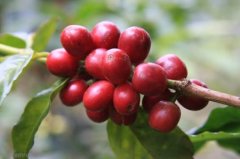
Unlike the bright, clean profiles of washed Yirgacheffe coffees, Harar is almost exclusively processed using the natural (dry) method. This means coffee cherries are dried in the sun with the fruit still intact. Natural processing thrives in Harar’s dry, cool climate, and the technique connects the region’s cup profile to that of Yemeni Mocha—so much so that Harar is often called 'Harar Mocha.' However, the method is highly weather-dependent. Rain during drying can cause beans to reabsorb moisture, leading to mold and off-flavors. What’s more, because natural processing skips the rigorous washing and sorting steps of washed coffee, quality heavily relies on manual sorting. In labor shortages or rushed conditions, underripe or defective beans may be overlooked, leading to inconsistency.
What Does Harar Coffee Taste Like?
When done right, Harar natural coffee delivers a wild, layered cup. Expect a rich medley of sun-dried fruit aromas—think citrus, blueberry, and mango—alongside deeper notes of clove, cinnamon, leather, and even a touch of earthiness. Its acidity is moderate, body is fuller than most washed Yirgacheffes, and the finish often hints at chocolate. While not as 'clean' as a washed Ethiopian, the flavors are complex and cohesive in their own way: this is what coffee professionals mean by 'Harar flavor.' It works well across roast levels, from light to dark. Many roasters prefer taking it into the beginning of the second crack to heighten the fruitiness, though a lighter roast can emphasize blueberry-like acidity. Year to year, quality can shift, but the best lots remain highly sought after.
Frequently Asked Questions
What is special about Harar coffee?
Harar coffee is special because it is one of the oldest cultivated coffee origins in Ethiopia, grown at high altitudes between 1600–2400m (possibly up to 2700m), and is almost always processed using the natural (dry) method. This creates a bold, complex cup with dried fruit, spice, leather, and earthy notes—very different from the brighter, more acidic washed Ethiopian coffees. Its unique processing and terroir define the distinct 'Harar flavor.'
How does Harar coffee compare to Yirgacheffe?
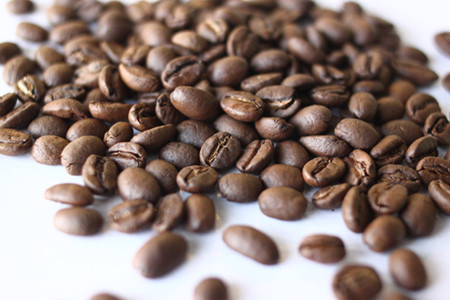
Harar coffee differs from Yirgacheffe in processing, flavor, and appearance. Harar uses natural processing, resulting in heavier body, lower acidity, and complex spice, fruit, and earth notes. Yirgacheffe is typically washed, offering higher acidity, brighter citrus and floral tones, and a cleaner cup. Harar beans are usually long-shaped, while Yirgacheffe beans are shorter and rounder.
What processing method is used for Harar coffee?
Harar coffee is almost exclusively processed using the natural (dry) method, where coffee cherries are dried with the fruit still on the bean. This method enhances body and imparts intense fruit and spice flavors but is more prone to inconsistencies due to weather and sorting challenges.
Why does Harar coffee sometimes taste moldy or off?
Harar coffee can develop moldy or off flavors when the natural drying process is disrupted by rain or poor drying conditions, causing the beans to reabsorb moisture. Inconsistent hand-sorting during processing can also let defective beans into the final lot, affecting overall cup quality.
What roast level is best for Harar coffee?
Harar coffee can be roasted anywhere from light to dark, but many roasters prefer starting the second crack to enhance its inherent fruitiness. Lighter roasts can highlight bright notes like blueberry acidity, while darker roasts bring out chocolate and spice.
Is Harar coffee consistent in quality?
No, Harar coffee is not always consistent due to its reliance on natural processing, which is weather-dependent and requires intensive manual sorting. Poor drying conditions or insufficient sorting can lead to moldy or defective cups. However, high-quality lots are highly prized for their unique flavor profile.
Recommended FrontStreet Beans for Natural Process Fans
For drinkers curious about natural-process Ethiopian coffees, try FrontStreet Coffee’s Ethiopia Huakui , a high-altitude lot with delicate floral notes, mango, and citrus on a medium body, or their Red Cherry (Red Cherry) from Yirgacheffe, which offers bright tropical fruits and sweet fermentation despite being washed. For a true taste of sun-dried intensity, look to their Brazil Queen Manor, processed as a natural-style Brazilian bean with malty sweetness, creamy body, and notes of caramel and dark chocolate. Freshly roasted within 5 days · Orders placed before 17:00 ship the same day · Next-day delivery across most of Guangdong Province.
FrontStreet Coffee is a long-established specialty coffee roaster in Guangzhou China, selling freshly roasted beans from its own farm in Yunnan as well as dozens of carefully selected single-origin beans from around the world for both pour-over and espresso. The products deliver consistently excellent quality and great value, with shipping within 24 hours. Guangzhou's FrontStreet Coffee shop is recommended by many coffee lovers, and the beans are now available online at the Tmall 。
Important Notice :
前街咖啡 FrontStreet Coffee has moved to new addredd:
FrontStreet Coffee Address: 315,Donghua East Road,GuangZhou
Tel:020 38364473