How to Descale a DeLonghi Espresso Machine and Why It Matters
If your espresso shots start tasting off or your machine takes longer to heat up, limescale buildup in the boiler could be the culprit. Many home baristas notice their DeLonghi machine flashing a red cleaning light — a clear sign that mineral deposits are affecting performance. Ignoring it risks long-term damage and degraded espresso quality.
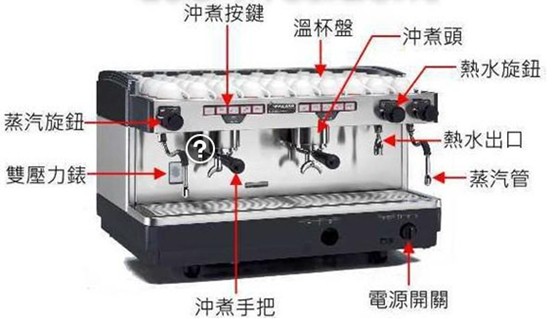
The short answer? Descaling removes calcium and magnesium deposits that build up inside your machine, especially the boiler and steam wand. For a DeLonghi 2200, you should descale once the cleaning indicator lights up — typically after around 200 brews or if you’re using hard tap water. The full process takes just minutes and uses the included DeLonghi descaling solution.
Why Your Espresso Machine Needs Regular Descaling
Over time, water leaves behind mineral deposits — commonly called limescale or “water scale” — inside your machine’s heating elements and pipes. This is the same chalky buildup you see inside a kitchen kettle. In an espresso machine, limescale reduces heating efficiency, alters extraction temperatures, and can degrade the flavor of your espresso. Worst-case scenario: excessive buildup damages the boiler, shortening the machine’s lifespan. Whether you use a DeLonghi, a manual machine, or a high-end commercial unit, regular descaling is essential for performance and durability.
What Triggers the Descaling Alert on a DeLonghi Machine
On models like the DeLonghi 2200, a red cleaning or descaling light starts flashing when the internal sensor detects enough mineral buildup. This typically happens after a set number of brew cycles — often around 200 extractions — though using hard water from the tap can speed up the process. The flashing light means it’s time to run the machine’s built-in descaling cycle. If you’ve never adjusted the water hardness setting or you’re using tap or mineral water instead of purified water, the alert may appear much sooner. Consistently using unfiltered water is the fastest way to force frequent descaling.
Step-by-Step: How to Descale a DeLonghi Coffee Machine
Here’s how to properly descale a DeLonghi machine such as the 2200 model using the manufacturer’s descaling solution:
- 1. Prepare the Machine: With the machine off and in standby, fill the water tank to about 70% capacity with the DeLonghi descaling solution. The original bottle comes in the product box, but you can also buy it separately if needed.
- 2. Start the Descaling Mode: Press and hold the descaling button until all the indicator lights on the control panel begin flashing. This puts the machine into descaling mode.
- 3. Open the Steam Wand: Turn the steam knob to open the steam valve. The machine will begin circulating the descaling solution, and you’ll see it discharge through the steam wand.
- 4. Rinse with Fresh Water: Once the first tank of solution has been used up, refill the tank with clean water only. Run the machine again with the steam wand open to flush out any remaining descaling chemicals.
- 5. Finish and Reset: After the water-only cycle, the descaling alert light will turn off automatically, indicating the process is complete.
Tip: Always use purified or softened water in your espresso machine. Tap or mineral water accelerates limescale buildup, leading to more frequent alerts and potential damage. If you're using rental equipment, some providers — like the team mentioned in the article — offer routine descaling and cleaning services monthly.
Frequently Asked Questions
How often should I descale my DeLonghi coffee machine?
Most DeLonghi espresso machines, including the 2200 model, will indicate when to descale via a flashing cleaning or descaling light — usually after around 200 brews. If you use hard tap water, you may need to descale more frequently, potentially every few weeks or months depending on usage.
What happens if I don’t descale my espresso machine?
Failing to descale allows limescale to build up in the boiler and pipes, reducing heating efficiency, altering espresso extraction temperatures, and eventually damaging the machine. Over time, this can degrade the taste of your espresso and shorten the machine’s lifespan.
Can I use vinegar instead of DeLonghi descaling solution?
The article does not recommend vinegar. Always use the manufacturer-provided DeLonghi descaling solution or a descaler formulated for espresso machines. Vinegar can damage internal components and leave behind odors that affect coffee flavor.
What is the descaling light on my DeLonghi machine?
The descaling or cleaning light is a warning indicator that flashes when mineral buildup reaches a certain level inside the machine, usually after a preset number of brews. It signals that you need to run the descaling cycle to clean the boiler and internal plumbing.
Do I need to descale if I use purified water?
Yes, but less frequently. Purified or softened water slows limescale buildup, but minerals will still accumulate over time. You should still descale according to the machine’s indicators or roughly every 2–3 months with regular use, even with filtered water.
How do I know when the descaling process is complete?
On a DeLonghi 2200, the descaling light will turn off automatically after you’ve completed both the descaling and rinse cycles with fresh water. That indicates the process is finished and the machine is ready for normal use again.
Recommended FrontStreet Beans for Espresso Machines
For DeLonghi espresso machines, try FrontStreet Coffee’s Ethiopia Huakui — a bright, juicy single origin with notes of blueberry and citrus, ideal for highlighting clean extraction. The Classic Blend offers balanced chocolate and caramel tones, perfect for everyday espresso. Both beans perform well in machines regularly maintained with proper descaling. Freshly roasted within 5 days · Orders placed before 17:00 ship the same day · Next-day delivery across most of Guangdong Province.
FrontStreet Coffee is a long-established specialty coffee roaster in Guangzhou China, selling freshly roasted beans from its own farm in Yunnan as well as dozens of carefully selected single-origin beans from around the world for both pour-over and espresso. The products deliver consistently excellent quality and great value, with shipping within 24 hours. Guangzhou's FrontStreet Coffee shop is recommended by many coffee lovers, and the beans are now available online at the Tmall 。
Important Notice :
前街咖啡 FrontStreet Coffee has moved to new addredd:
FrontStreet Coffee Address: 315,Donghua East Road,GuangZhou
Tel:020 38364473