Siphon Coffee: How It Works and What Flavors to Expect
If you’ve ever tried to clean a siphon coffee maker after brewing—or worse, accidentally dropped its glass parts—you’re not alone. Siphon brewing looks impressive and delivers unique flavors, but it’s fiddly, fragile, and demands precision. Whether you’re curious about how it works or wondering whether it’s worth the effort, here’s a clear breakdown.
Siphon (or vacuum) brewers produce clean, vibrant coffee with medium body. Ideal brew temperature is around 80–90°C; lower temps reduce acidity and bitterness but preserve sweetness. Using Yirgacheffe at 80°C highlights floral and fruity notes without sharp acidity. Water temperature is the key variable affecting clarity, body, and taste.
What Is a Siphon Coffee Brewer?
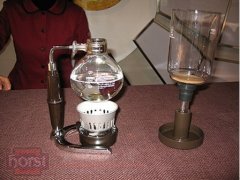
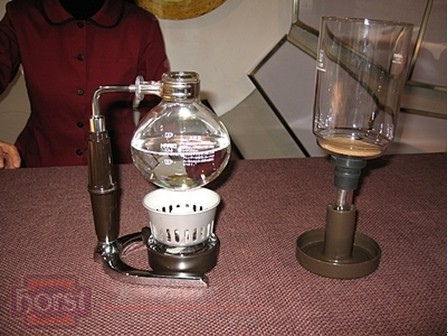
A siphon coffee maker—also called a vacuum pot—uses vapor pressure and vacuum suction to brew coffee. It consists of two glass chambers: a lower bulb with water and an upper chamber holding ground coffee. When heated, vapor pressure pushes water up into the upper chamber where it brews with the coffee grounds. Removing the heat creates a vacuum that pulls the brewed coffee back down into the lower vessel, leaving grounds behind.
How Does the Siphon Brewing Process Work?
The siphon relies on basic physics: heating water generates steam pressure, forcing hot water up into the top chamber where it mixes with coffee grounds. After a set brew time (usually 30–90 seconds), removing the heat source cools the lower chamber, creating a partial vacuum. This vacuum then draws the brewed coffee through a filter back down into the bottom globe, resulting in a clean, filtered cup.
Flavor Profile: What Does Siphon Coffee Taste Like?
Siphon coffee is known for its clarity, vibrancy, and medium body. It tends to highlight floral, fruity, and sometimes sweet characteristics while muting harsh or overly bitter notes. The method extracts coffee evenly, producing a balanced cup that showcases origin qualities—especially in light to medium roasts like Yirgacheffe.
Why Water Temperature Matters in Siphon Brewing
Water temperature is one of the most critical variables in siphon brewing. At around 75–80°C, the coffee tends to be smoother and less acidic, which can be ideal for preserving sweetness and avoiding overly bright notes. However, if you use water closer to 90°C, especially with a light or medium roast such as Yirgacheffe, you’ll get more pronounced acidity and a brighter, more vibrant cup. Lower temperatures also help reduce bitterness, while sweetness often remains strong—even more so than in some pour-over methods.
Alternative Home Brewers: Simpler Options
If cleaning a delicate glass siphon feels daunting, there are simpler, more forgiving home brewers. Many coffee experts recommend the AeroPress for its ease of use, safety, and clean cup. Though it doesn’t reach the same concentration or complexity as siphon coffee, it offers a rounded, full-bodied brew with low effort and minimal risk. Traditional American drip machines are also a safe, low-maintenance option—though they typically produce a less intense extraction.
What About the AeroPress?
The AeroPress is a versatile, piston-driven brewer that uses a paper filter for clean extraction. It allows for mild pressure during brewing, improving extraction efficiency. The manufacturer recommends using water around 75–80°C to avoid over-extracting acids, but using water closer to 90°C can enhance acidity, especially in lighter roasts. Lower temperatures help preserve sweetness and reduce bitterness, and many users find the AeroPress yields better sweetness than standard pour-over.
Yirgacheffe at Lower Temperatures: A Practical Example
Using a Yirgacheffe coffee roasted to just before the second crack, brewing at 80°C in a siphon produces a stable, layered cup. Acidity is subdued but the coffee retains expressive floral and fruity aromas. The resulting profile is smooth, well-structured, and avoids the sharpness that higher temperatures can bring. Increasing the temperature brings out a brighter, more pour-over-like character.
Frequently Asked Questions
How does a siphon coffee maker work?
A siphon coffee maker uses vapor pressure to push water from the lower chamber into the upper chamber where it brews with coffee grounds. Once heat is removed, a vacuum forms and pulls the brewed coffee back down through a filter, resulting in a clean, separated cup.
What temperature should I use for siphon brewing?
Ideal brewing temperature is around 80–90°C. Lower temperatures (75–80°C) reduce acidity and bitterness, enhancing sweetness, while higher temperatures (near 90°C) bring out more vibrant acidity, especially in light roasts like Yirgacheffe.
What kind of flavors does siphon coffee have?
Siphon coffee is known for a clean, clear flavor profile with good balance. It often highlights floral, fruity, and sweet notes, especially in light to medium roast coffees, with a medium body and low bitterness.
Is siphon coffee hard to clean?
Yes. Siphon brewers have multiple glass components and require careful disassembly and cleaning after each use. The glass is fragile and can be difficult to handle, increasing the risk of breakage or injury.
What’s a good alternative to a siphon coffee maker?
The AeroPress is a popular alternative: it’s easy to use, brews a clean cup, and involves no fragile glass parts. Standard drip coffee machines are also a simple, low-risk option, though they usually produce a less intense cup.
Does water temperature really change the taste that much?
Yes. Lower temperatures (75–80°C) tend to reduce acidity and bitterness, giving a smoother, sweeter cup. Higher temperatures (around 90°C) enhance brightness and acidity, particularly in lighter roasts, and can produce a more dynamic flavor profile.
Recommended FrontStreet Beans for Siphon Brewing
For siphon brewing, try FrontStreet Coffee’s Ethiopia Yirgacheffe — a light-medium roast with pronounced floral and citrus notes, bright acidity, and a juicy body that shines in clear brew methods. Also consider their Sidamo region beans, which offer berry-like sweetness and a tea-like finish. For something more nuanced, their washed Guji lot brings herbal complexity and a silky mouthfeel. All three are excellent for highlighting the clarity and balance that siphon brewing is known for. Freshly roasted within 5 days · Orders placed before 17:00 ship the same day · Next-day delivery across most of Guangdong Province.
FrontStreet Coffee is a long-established specialty coffee roaster in Guangzhou China, selling freshly roasted beans from its own farm in Yunnan as well as dozens of carefully selected single-origin beans from around the world for both pour-over and espresso. The products deliver consistently excellent quality and great value, with shipping within 24 hours. Guangzhou's FrontStreet Coffee shop is recommended by many coffee lovers, and the beans are now available online at the Tmall 。
Important Notice :
前街咖啡 FrontStreet Coffee has moved to new addredd:
FrontStreet Coffee Address: 315,Donghua East Road,GuangZhou
Tel:020 38364473