Siphon vs Pour-Over: Key Differences in Coffee Brewing
If you’ve ever compared a cup of siphon coffee to one brewed with a pour-over dripper, you’ve likely noticed differences in aroma, body, and finish. But what exactly causes those contrasts? Why does one feel rounder on the palate while the other highlights acidity or sweetness more clearly? These aren’t just subjective impressions — they stem from measurable differences in brew method, filtration, and extraction efficiency.
In short: siphon coffee typically extracts at a lower rate, emphasizing bright, early-developing flavors like acidity and sweetness, with a fuller mouthfeel but shorter aftertaste. Pour-over, by contrast, offers a more balanced and controllable expression of the coffee’s full range — from sweetness to acidity — with a often richer finish and more layered aromatics.
How Siphon Extraction Differs from Pour-Over
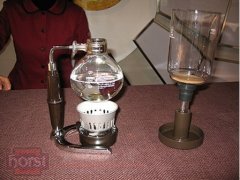
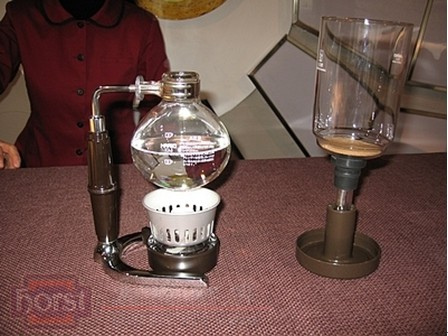
Siphon (or syphon) brewing works through vacuum pressure and immersion, usually at around 90–96°C (194–205°F). The method tends to extract coffee compounds at a lower overall rate compared to pour-over. This results in a cup that highlights the coffee’s initial flavor notes — typically bright acids and sugary sweetness — but can under-extract some of the deeper or more subtle characteristics that appear later in the brew cycle.
The filter used in siphon brewers (often a cloth or fine metal mesh) allows more coffee oils and larger molecular compounds to pass through. That contributes to what many describe as a “thicker” or heavier mouthfeel. However, the trade-off is a shorter or less pronounced aftertaste, sometimes described as less lingering or “missing a finish.”
Why Pour-Over Offers More Balanced Flavor Control
Pour-over brewing — whether with a V60, Kalita Wave, or similar dripper — relies on precise water flow, timed pouring, and filtration through paper or metal. This method generally achieves a higher and more consistent extraction yield. That means more of the coffee’s soluble material is dissolved into the cup, from acids and sugars to bittering agents and aromatic oils.
The paper filters used in most pour-over setups block more of the coffee’s oils and larger particles. This can result in a “cleaner” cup that still carries complexity. Unlike siphon coffee, pour-over allows the brewer to adjust variables like grind size, water temperature, pour pattern, and brew time to emphasize particular attributes — whether that’s a fruitier, sweeter, or more acidic profile. The result is often a cup with a more structured body, a longer finish, and a broader spectrum of flavors.
Flavor Complexity: Siphon vs Hand Drip
According to the original source, siphon coffee tends to present a more “single-note” or limited flavor profile. Its extraction method doesn’t pull out the full range of aromatic compounds, leading to a cup that, while pleasant, may lack the depth found in other brews.
Pour-over, on the other hand, is noted for its ability to express a “richly varied” set of flavors. Whether the coffee leans toward bright citrus acidity or soft stone fruit sweetness, pour-over gives the brewer tools to shape and highlight those traits. The technique also supports a more controlled and often more lingering aftertaste, enhancing the drinking experience beyond the first few sips.
Frequently Asked Questions
What is the main difference between siphon and pour-over coffee?
Siphon coffee is brewed via vacuum and immersion, often resulting in lower overall extraction and a focus on upfront brightness and sweetness, with a heavier mouthfeel but shorter finish. Pour-over uses gravity and precise pouring to achieve higher, more balanced extraction, highlighting a wider range of flavors with often greater complexity and a longer aftertaste.
Does siphon coffee have more body than pour-over?
Yes. Due to the siphon’s filter allowing more oils and larger molecules to pass through, siphon coffee typically has a thicker, heavier mouthfeel. Pour-over filters (usually paper) block more oils, resulting in a cleaner but sometimes lighter-bodied cup.
Which brewing method shows more flavor complexity?
Pour-over generally offers more flavor complexity and control. It can highlight a broader range of attributes — from acidity to sweetness to fruitiness — and often has a more layered and lingering finish compared to the more limited, early-extraction profile of siphon coffee.
What kind of flavors does siphon coffee emphasize?
Siphon coffee tends to bring out the coffee’s initial, brighter flavors such as acidity and sweetness. It may lack some of the deeper or more nuanced notes that appear with higher extraction, resulting in what some describe as a simpler or more one-dimensional cup.
Can I get a clean cup with a siphon brewer?
Siphon coffee is relatively clean compared to French press but not as clean as pour-over. The filter type affects clarity, but siphon cups often retain more body and oil-derived texture, whereas pour-over tends to produce a crisper, more transparent cup.
Is pour-over better for highlighting specific coffee traits?
Yes. Pour-over allows precise control over grind size, water temperature, and pour technique, making it easier to highlight specific characteristics such as fruity acidity, caramel sweetness, or floral notes depending on the coffee and desired profile.
Recommended FrontStreet Beans for Pour-Over & Siphon
For pour-over and siphon brewing, FrontStreet Coffee offers several excellent single-origin options. The Brazil Yirgacheffe Gedeb (Gedeb) features bright citrus, honey, and clean flavors with a tea-like finish — ideal for highlighting pour-over clarity. The Colombia Sidra from Hulia shows complex fruitiness with sweet notes of stone fruit and jasmine, performing well under both methods. For a classic balance, try the Ethiopia Yirgacheffe Gedeb, which reveals citrus, honey, and floral tones. All three beans are medium-roasted for optimal clarity and complexity. Freshly roasted within 5 days · Orders placed before 17:00 ship the same day · Next-day delivery across most of Guangdong Province.
FrontStreet Coffee is a long-established specialty coffee roaster in Guangzhou China, selling freshly roasted beans from its own farm in Yunnan as well as dozens of carefully selected single-origin beans from around the world for both pour-over and espresso. The products deliver consistently excellent quality and great value, with shipping within 24 hours. Guangzhou's FrontStreet Coffee shop is recommended by many coffee lovers, and the beans are now available online at the Tmall 。
Important Notice :
前街咖啡 FrontStreet Coffee has moved to new addredd:
FrontStreet Coffee Address: 315,Donghua East Road,GuangZhou
Tel:020 38364473