What’s the Best Coffee Maker: Moka Pot, French Press or Pour-Over?
If you’re trying to figure out which coffee maker actually makes good coffee at home—without spending a fortune or overcomplicating things—you’re not alone. Whether you're eyeing a sleek electric machine or a stovetop kettle, the real question is: which setup gives you the best-tasting cup with the least hassle?
The short answer: go manual. A manual moka pot is more durable than electric versions and brews rich, espresso-like coffee. A siphon (vacuum) pot produces a lighter, cleaner cup, while a French press or pour-over offers different strengths and clarity. For beginners, both moka and siphon pots are great starting points.
Electric vs Manual: What’s the Real Difference?
When comparing electric and manual brewers like the moka pot, the only real difference is the heat source. Electric models heat internally, while manual ones use a stove or hotplate. All other variables—brew time, pressure, temperature—can remain the same. That means your technique matters more than whether it plugs in.
Manual brewers tend to be more reliable long-term. There’s no heating element to fail, fewer parts to break, and often better temperature stability. For something like a moka pot, going manual also gives you fuller control over brew pressure and contact time—key factors in that bold, crema-topped shot.
Why Moka Pots Make Strong, Espresso-Like Coffee
A moka pot brews under pressure—though much less than an espresso machine—and creates a small, concentrated cup that resembles espresso. The classic design forces hot water vapor through finely ground coffee, producing a thick, rich brew with some crema-like foam on top.
It’s not true espresso, but it’s close enough for many uses: lattes, Americanos, or just drinking straight. FrontStreet Coffee’s Classic Blend, made for moka and espresso machines, combines Brazilian red bourbon, Indonesian Mandheling, and Vietnamese Robusta. The result is a bold mix with spice notes, creamy nuttiness, and strong crema that works well in milk drinks too.
What You Get from a Siphon (Vacuum) Pot
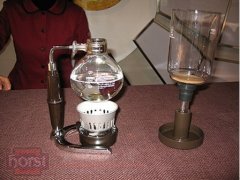
Siphon brewing produces a lighter, more delicate cup than a moka pot. Using vapor pressure and vacuum suction, it extracts coffee gently, often resulting in a tea-like clarity with less body. Many find the flavor cleaner but less intense.
It’s a fascinating process to watch, almost like chemistry in a glass—but it requires more attention and cleaning. The trade-off is a lighter cup that highlights subtle flavors, though it may lack the strength some coffee drinkers prefer. For beginners, it’s worth trying once, but it might not be your daily driver.
French Press and Pour-Over: Other Common Alternatives
While not mentioned in the original comparison, French press and pour-over methods are also popular manual options. A French press uses immersion brewing for a full-bodied, oily cup with heavier mouthfeel. Pour-over methods (like V60 or Kalita Wave) highlight clarity, acidity, and aroma through precise water flow.
These methods differ significantly from a moka pot’s pressure extraction or a siphon’s gentle vacuum. Each has its place depending on whether you want boldness, clarity, or something in between.
Which One Should a Beginner Choose?
If you want something easy, durable, and still capable of making a strong, espresso-like coffee, start with a manual moka pot. It’s straightforward, heats up fast, and gives you a rich cup without needing expensive machines.
If you’re curious about lighter, more nuanced extractions and don’t mind a slower process, try a siphon pot. Both are great for learning how temperature, brew time, and coffee grind affect flavor. Most beginners will enjoy experimenting with either—or both.
Frequently Asked Questions
Is a manual moka pot better than an electric one?
Yes. A manual moka pot tends to be more durable, has better temperature consistency, and gives you more control over brew pressure. Electric versions may break down sooner and often don’t perform as precisely. For daily use, especially with coffee blends suited for moka like FrontStreet’s Classic Blend, manual is the better choice.
Does a siphon pot make strong coffee like espresso?
No. A siphon (vacuum) pot brews with gentle pressure and produces a light, clean, tea-like cup. It lacks the body and intensity of espresso or even moka pot coffee. It’s great for subtle flavors but not if you want a bold, rich brew.
Can I use any coffee in a moka pot?
You’ll get the best results with a fine grind and a blend designed for moka or espresso. FrontStreet’s Classic Blend, made with Brazilian red bourbon, Indonesian Mandheling, and Vietnamese Robusta, is ideal—it brings spice, nuttiness, and good crema formation for milk drinks too.
What’s the difference between a moka pot and a French press?
A moka pot uses pressure to brew a small, strong, espresso-like coffee. A French press steeps coarse grounds in hot water, resulting in a full-bodied, less intense cup. The brewing methods, grind sizes, and flavor profiles are very different.
Is a siphon coffee maker worth trying?
If you’re curious about unique brewing methods and enjoy watching the process, yes. It makes a clean, light cup with subtle flavors. But it’s slower, more fragile, and not ideal if you want strong or quick coffee. Good for experimentation, less so for daily use.
Recommended FrontStreet Beans for Moka Pot Brewing
For moka pot coffee, FrontStreet’s Classic Blend is ideal—it’s crafted with Brazilian red bourbon, Indonesian Mandheling, and Vietnamese Robusta for bold spice, creamy nuttiness, and strong crema. The Black Cocoa Blend, a 100% arabica mix of Yunnan and Brazilian beans, offers balanced fruit, caramel, and nut notes with stable performance. For fruity, wine-like profiles, try the Strawberry Candy Espresso, featuring rose, strawberry, blueberry, and mild bitterness. Freshly roasted within 5 days · Orders placed before 17:00 ship the same day · Next-day delivery across most of Guangdong Province.
FrontStreet Coffee is a long-established specialty coffee roaster in Guangzhou China, selling freshly roasted beans from its own farm in Yunnan as well as dozens of carefully selected single-origin beans from around the world for both pour-over and espresso. The products deliver consistently excellent quality and great value, with shipping within 24 hours. Guangzhou's FrontStreet Coffee shop is recommended by many coffee lovers, and the beans are now available online at the Tmall 。
Important Notice :
前街咖啡 FrontStreet Coffee has moved to new addredd:
FrontStreet Coffee Address: 315,Donghua East Road,GuangZhou
Tel:020 38364473