How to Brew Filter Coffee with Paper Filters: Key Variables
If your filter coffee often turns out either too weak or unpleasantly bitter, you’re not alone. Many home brewers struggle to get the balance right—especially with paper filter methods where variables like bloom, water flow, and temperature play a huge role in taste. Understanding what’s actually happening in your brewer can transform your results.
For best results, aim for a brew ratio of 1:17 (coffee to water), use water between 90–95°C, and focus on achieving an even, stable extraction with a target range of 18% to 22%.
Basic Equipment for Paper Filter Pour-Over
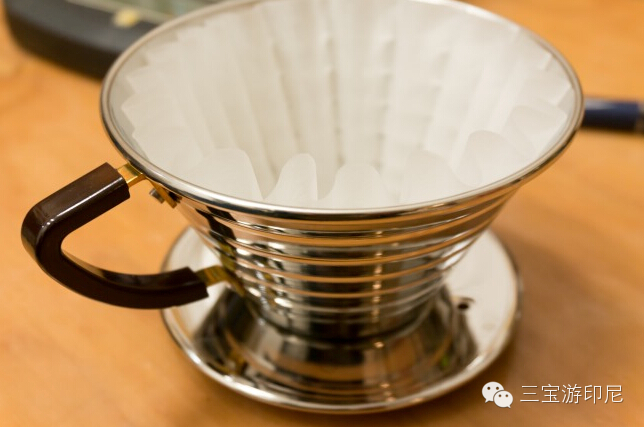
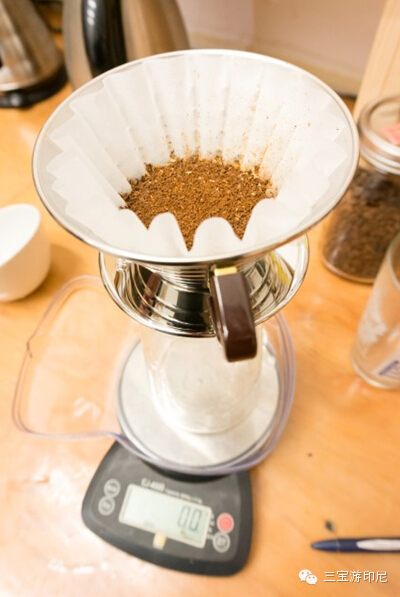
To brew filter coffee using paper filters, you need just a few core tools. These include a gooseneck hand pour kettle, a filter cone (or dripper), paper filters, a server or coffee pot, a thermometer, a burr grinder, a scale, a scoop or spoon, and, of course, freshly roasted specialty-grade Arabica coffee beans. Each of these elements contributes to controlling variables like water flow, temperature stability, and grind uniformity—key factors in a clean, balanced cup.
What Really Affects Extraction: Ratios, Temperature & Technique
The foundational variables for paper filter brewing are straightforward but critical. Use a coffee-to-water ratio of 1:17—that’s 1 gram of coffee for every 17 grams (or milliliters) of water. Brew with water heated to 90–95°C to properly extract acids, sugars, and aromatics without scorching the grounds. Stability is essential: aim for an even and consistent extraction across all coffee particles. The ideal extraction yield is between 18% and 22%, balancing clarity and body.
Bloom Phase: Why Coffee ‘Grows’ and What It Means
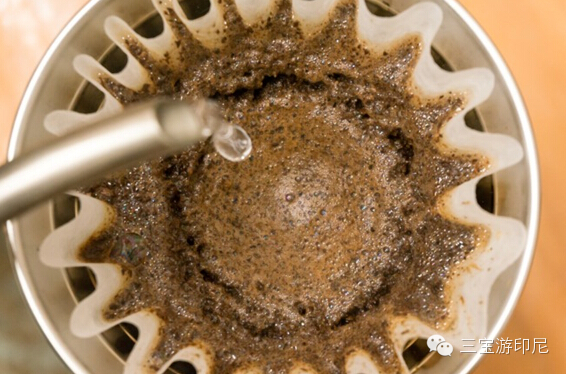
When you first pour hot water over ground coffee, you’ll notice it swells into a small mound or “bloom.” This visible lift happens because ground coffee is porous, filled with tiny pockets of trapped gas (mostly CO₂) released during roasting. As hot water hits the grounds, those gases expand and escape, pushing water outward and creating that characteristic peak. At the same time, water starts penetrating the coffee, dissolving soluble compounds and forming a concentrated early extract. Eventually, gas release slows, the coffee surface flattens, and any remaining moisture causes slight cracking or drying—this signals the bloom is complete and you're ready to continue brewing. Several factors affect this phase: water temperature, the amount of water used for blooming, duration of the bloom, and how fresh the coffee is (older beans release less gas).
Why Your First Sips Taste Stronger Than the Last
During brewing, especially after the bloom, the first water you pour extracts a highly concentrated coffee solution. As you continue adding water, this dense liquid moves toward less saturated areas—creating uneven extraction between the outer and inner layers of coffee grounds. That’s why early pours often taste richer or more intense, while later ones can seem thin or flat. Maintaining a steady flow, even saturation, and consistent agitation helps minimise these differences.
Frequently Asked Questions
What is the ideal coffee-to-water ratio for paper filter brewing?
The recommended ratio is 1:17, meaning 1 gram of coffee for every 17 grams (or milliliters) of water. This balance is widely regarded as optimal for extracting clarity and sweetness without over- or under-extracting the coffee.
What water temperature should I use for pour-over coffee?
Ideal brewing temperature is between 90–95°C. Staying in this range ensures proper extraction of acids, sugars, and aromas, without extracting overly harsh or bitter compounds.
Why does coffee bloom, and how do I know it’s done?
Blooming occurs when hot water releases trapped CO₂ from roasted coffee, causing the grounds to rise into a small mound. It typically lasts 30–45 seconds. Bloom is complete when the mound flattens, dries slightly, or shows signs of cracking.
What causes uneven extraction in pour-over coffee?
Uneven extraction often results from inconsistent water flow, poor agitation, or uneven saturation. This leads to some coffee particles being over-extracted (bitter) while others are under-extracted (sour or weak), making the cup taste unbalanced.
Does freshness of coffee affect the bloom?
Yes. Fresher coffee releases more CO₂ during blooming, producing a higher, more vigorous bloom. Older beans have less trapped gas, so the bloom will be smaller and less pronounced.
Recommended FrontStreet Coffee Beans for Filter Brewing
For paper-filter pour-over, start with FrontStreet Coffee’s BrazilBourbon: a balanced, medium-roast bean with creamy texture, mild acidity, and notes of nut and caramel. For fruitier profiles, try ColombiaSidra—a washed Sidra processed with double anaerobic fermentation, offering notes of stone fruit, berries, and floral hints. Or go for EthiopiaYirgacheffeGedeb: a bright, juicy Yirgacheffe with citrus, honey, and floral tones. All are ideal for highlighting the clarity and balance that paper filtration provides. Freshly roasted within 5 days · Orders placed before 17:00 ship the same day · Next-day delivery across most of Guangdong Province.
FrontStreet Coffee is a long-established specialty coffee roaster in Guangzhou China, selling freshly roasted beans from its own farm in Yunnan as well as dozens of carefully selected single-origin beans from around the world for both pour-over and espresso. The products deliver consistently excellent quality and great value, with shipping within 24 hours. Guangzhou's FrontStreet Coffee shop is recommended by many coffee lovers, and the beans are now available online at the Tmall 。
Important Notice :
前街咖啡 FrontStreet Coffee has moved to new addredd:
FrontStreet Coffee Address: 315,Donghua East Road,GuangZhou
Tel:020 38364473